Singapore must forge its own strategy to become a global AI leader
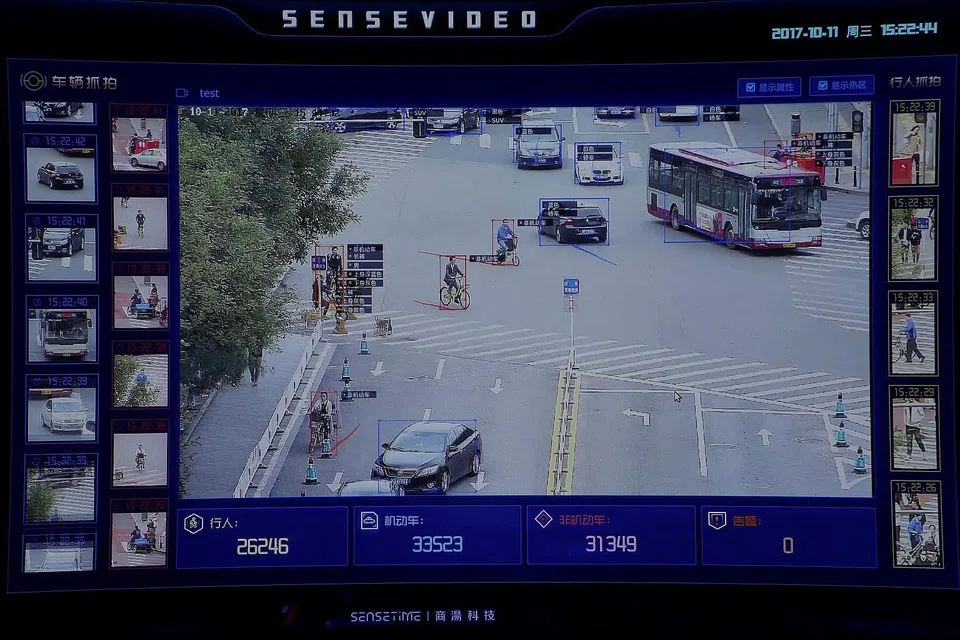
CHINA now has the most valuable artificial intelligence startup in the world. SenseTime raised US$600 million from Alibaba and other investors at a valuation of more than US$3 billion in April, becoming the world's most valuable AI startup.
French President Emmanuel Macron argues that while the US and China may be in the lead for AI development, Europe is well placed - and has the right regulation - to create AI that can "assert collective preferences and articulate them with universal values".
As he sees it, the AI that US companies are creating is too focused on solving individual companies' problems, rather than citizens'. In China, meanwhile, AI development is ultimately carried out under the watchful eye of the central government. Europe, he maintains, offers a happy medium, balancing the needs of the collective with individual freedoms like people's right to privacy.
Every developed economy, including Singapore, is heavily driving AI initiatives in order not to be left behind. While it can appear that the AI war is being fought between just the US and China, in fact it is too soon to relegate the rest of the world to third place.
Many governments may be driving AI research and development, but if one looks more closely at each country's strategies, they begin to look very similar. Every government, to a degree, builds on each other's breakthroughs and thus the overall global progress of AI heads in the same direction. Sometimes this is at the expense of having their own unique stories.
In my view, there are four things Singapore can do to differentiate itself from others:
First, don't take a nationalist approach. Rather, be a neutral player that invests in and incubates AI technologies and businesses. As discussed, there has been much discussion and dispute around who will be the winner in the battle for global dominance of AI - the US or China. For example, former Google CEO and Alphabet chairman Eric Schmidt predicts that China will overtake the US to become the dominant global force in AI by 2030. Hence industry commentators are likely to divide AI companies into national teams. For Singapore, the only way to enjoy the benefits of AI is to take the neutral business approach that it has been doing in most other industries for decades.
Second, find your own positioning aligned with your strengths. Do not imitate others' strategies and do not envy others' market sizes. Once you look more closely at other countries' strategies for AI, you will find that most reports look the same. Most governments are failing to find their own story, while merely benchmarking others they perceive to be ahead. Singapore has unique strengths as a leading financial hub and education hub, not just in Asia but globally. There is no doubt that Singapore has a strong brand premium in the region and should be positioning itself as a global platform for the development of AI technologies, especially with application to financial markets.
Third, drive initiatives that create an entrepreneur-friendly environment. Though Singapore has been ranked as one of the top places for startups, in reality there are still some areas of instability for entrepreneurs based here. For countries and governments to lead in AI, becoming more open and efficient (by creating ecosystems and platforms that empower entrepreneurs to make breakthroughs) should be a top priority.
Fourth, become the Asian hub for AI talent and growth by striking a healthy work-life balance. These days, it is a big headache for companies to find good AI experts and talent. The truly top engineers prefer to stay in places with a reputation for good work-life balance, rather than in hectic industry-oriented environments that provide no relaxation. Singapore can play to its strengths by marketing itself as more than just a city to come and work in, with easy access to leisure destinations within just 1-2 hours' flight - and lots to do after hours and on weekends in the city itself.
In summary, the only way for Singapore to become a global AI leader is to find its own story and strategy, avoid a nationalist approach, play to its strengths, create an entrepreneur-friendly environment, and showcase itself as a healthy, balanced place to live and work.
If Singapore succeeds in not merely following the herd in AI, I'm confident it can enjoy an exciting future with some of the best global talent in the field flocking to the city state.