

The future of intelligent automation: making businesses more agile
A blended model of automation involving robots, analytics and humans can provide optimal outcomes.
 Add BT as a preferred source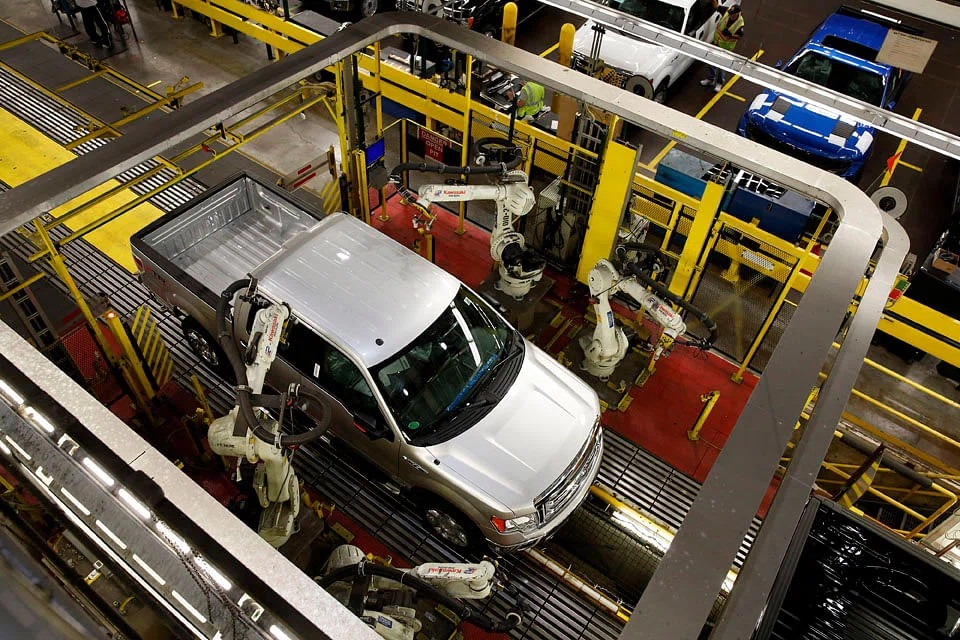
DeeperDive is a beta AI feature. Refer to full articles for the facts.
WE are entering a new era of human-machine interface for repetitive and rote processes. More than ever, software tools are emerging as the "robots" for knowledge work and driving real impact. These enterprise robots may not resemble the automatons from your favourite sci-fi movie. However, a recent Cognizant study shows that when applied to automating core business processes, they can extend the productivity and problem-solving capabilities of human beings and improve business results.
Cognizant's research finds that humans are working smarter with sophisticated software to automate business tasks, generating rich process data that can drive meaningful insights, value and outcomes for businesses. While these are early days, it is increasingly clear that robots do not dominate the process automation space, but rather work in tandem to help make smart humans smarter and businesses more agile.
Intelligent automation is about improving what people can do. The meaning contained in process data yielded by automation can be unlocked using process analytics. Some organisations are automating work through digitisation. They are re-imagining and instrumenting processes from their inception so as to fully harness the power of emerging technologies, such as social, mobile, analytics, cloud, and more recently the Internet of Things (IoT), where sensors are beginning to digitise and automate processes in a straight-through data flow.
Share with us your feedback on BT's products and services
TRENDING NOW

Vietnam formalises new state leadership, redefining ‘four pillars’ power balance

‘Largest Singapore commercial S-Reit proxy’: analysts say buy CICT shares after Paragon acquisition

From 1MDB to ‘corporate mafia’: Is Malaysia facing a new governance test?

Why where you park your joint venture matters: Lessons from a US$689 million shareholder dispute

