

The man who went head-on against the West in 1997 - and won
20 years on, Japan's Eisuke Sakakibara remains critical of the IMF's role in the Asian financial crisis.
 Add BT as a preferred source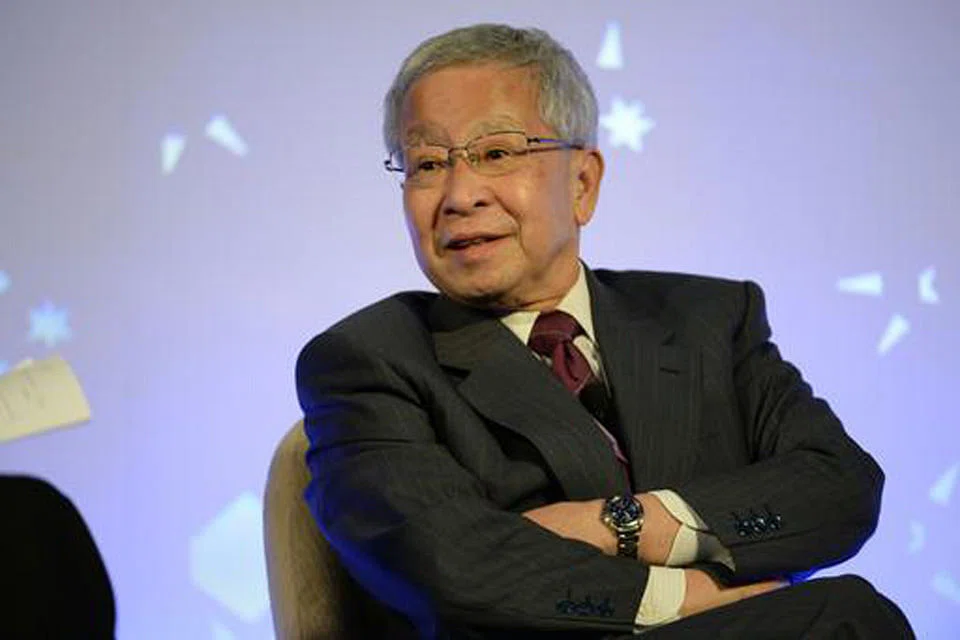
DeeperDive is a beta AI feature. Refer to full articles for the facts.
EISUKE Sakakibara became widely known as "Mr Yen" during the late 1990s because of Japan's frequent currency market interventions while he was the country's vice-finance minister for international affairs. Yet, the term (coined by The New York Times) did less than justice to his contributions to Asian economic independence.
He was the man who battled almost single-handedly to "save" Asia from the heavy-handed ministrations of the International Monetary Fund (IMF) at the time of the Asian financial crisis in 1997, and whose often-unrecognised legacy is an Asian Monetary Fund or AMF (in all but name).
It was he who in 1997, at the height of the crisis and during the IMF and World Bank annual meeting in Hong Kong, proposed the revolutionary idea of an AMF as a counter to the IMF and as an institution that would do things in the Asian rather than the Anglo-Saxon way.
Copyright SPH Media. All rights reserved.
TRENDING NOW

China pips the US if Asean is forced to choose, but analysts warn against reading it like a sports result

Beijing’s calculated silence on the Iran war

Shelving S$5 billion office redevelopment plan proved ‘wise’ as geopolitical risks mount: OCBC chairman

Vietnam formalises new state leadership, redefining ‘four pillars’ power balance

