

The three key things to watch in 2020 energy sector
ANYONE wanting to make sense of the energy market in 2020 should watch three key indicators. The significant drivers of the market this year will be non-Organization of the Petroleum Exporting Countries (Opec) oil production, Chinese oil imports and - in a more complex way - the influence of politics on climate change. Beyond these, the rest is mere noise.
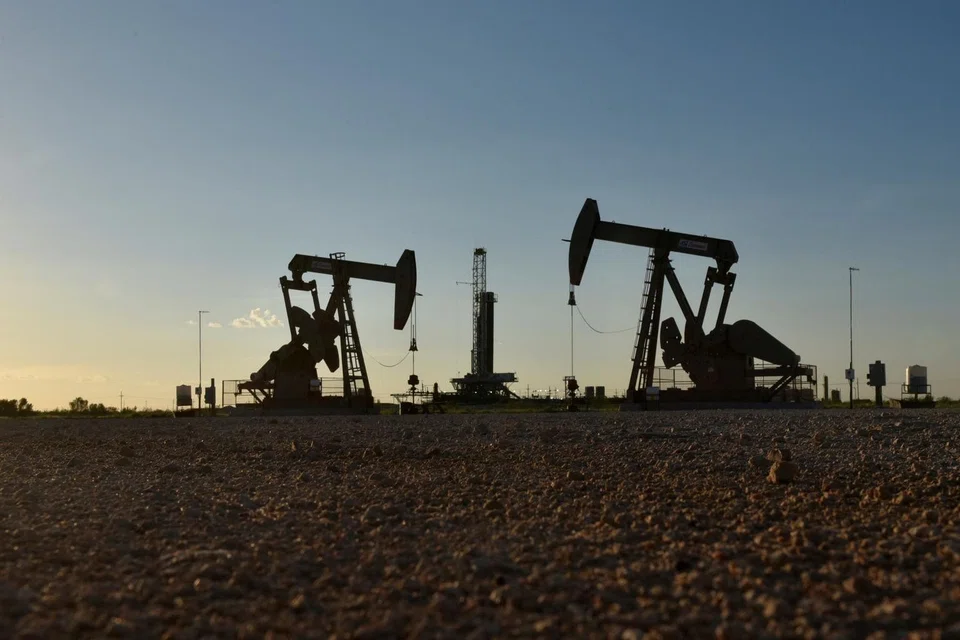
The first starts with the United States, where the boom in tight oil from shale rock continues even though the natural gas sector faces downgrades and shut-ins because of chronic oversupply. Total oil production in the US has risen to more than 12 million barrels a day (b/d). A further increase is expected in 2020.
But new production is also due onstream this year from Brazil, Norway and Guyana. If non-Opec production rises by more than one million b/d - which is the forecast level of demand growth - the market will be oversupplied, and even the latest quota agreement by the cartel and Russia will not be sufficient to avoid a further fall in prices.
An early December deal on quotas could encourage non-Opec producers to maintain or lift current output levels. The cartel's ability to manage the market is at full stretch, or more likely exceeded. Revenues are low; and for many producers dependent on oil revenue, debt is rising.
Iran remains a wild card. Its possibilities are the risk of open conflict with its neighbours, an internal power struggle or a pragmatic agreement to negotiate a way out of sanctions imposed by the US. For the oil market, an agreement is the most dangerous of these, given Iran's ability to put another 1-2 million b/d on the market very quickly.
The level of Chinese oil imports is the second indicator. In 2019, they rose to 11 million b/d, making China the driver of global prices. Gas imports also rose but infrastructure constraints now seem to be limiting the dramatic growth of 2018. Any slowdown in the country's economy, potentially triggered by the trade dispute with the US, could limit oil imports. Beijing might also reasonably decide that China is becoming too dependent on foreign oil.
Given the combination of circumstances, it is difficult to see any sustained rise in oil prices, and all too easy to envisage a further fall. Despite Opec's latest quota agreement, the International Energy Agency is talking of a glut of supplies in 2020.
The third issue is the influence of politics on the energy sector driven by the need to mitigate climate change and respond to street protests.
Public interest in climate change is intermittent. In the recent UK general election, the issue was only the fifth most important policy influencing voters according to one detailed poll - well behind Brexit and the National Health Service. In other countries, enthusiasm may wane as the immediate costs of the transition to low carbon become obvious.
The European Commission has promised to put in place an EU Green Deal comprising dozens of different strands of policy, designed to deliver the totemic target of net zero carbon emissions by 2050. But the Commission's power is limited - it cannot change existing energy systems overnight and cannot force member states to abandon established industries. Yet the direction of change is clear, and the old energy sector is under pressure to demonstrate its ability to adapt to new political priorities.
The most important influence, and the most uncertain, is the US presidential election. If President Donald Trump wins a second term, it is likely that little will change. Even with advances in renewables and some substitution of coal, hydrocarbons will retain their grip on the US market.
But the Democratic party is defining itself as the champion of the environment. The party's five leading candidates have taken up positions far more hostile to oil, gas and coal producers than that of former president Barack Obama. While the need to win the election in November may soften some of the most radical proposals, a Democratic victory would put in question the future of all forms of hydrocarbons and force US companies to follow their European counterparts in embracing the energy transition. If the US takes this course, many others will follow.
In the short term, prices and the pattern of trade in the energy sector will be determined by market forces - the basic realities of supply and demand. But political developments in 2020, in particular, the US election, will have a much greater impact on the long-term shape of the industry. FT
TRENDING NOW

32 companies, 6 individuals bag accolades at Singapore Corporate Awards 2026

He built the Vingroup empire. Now South-east Asia’s richest man is handing some key roles to his sons
URA to review guidelines on floor space to give developers more design flexibility: Chee Hong Tat

Chagee, Mixue and Luckin won the market. Sustaining their edge is the harder part

