
The world according to the G-20
The just-concluded Brisbane meeting has put much more emphasis on reviving growth and making the revival sustainable than on budget balance and austerity.
 Add BT as a preferred source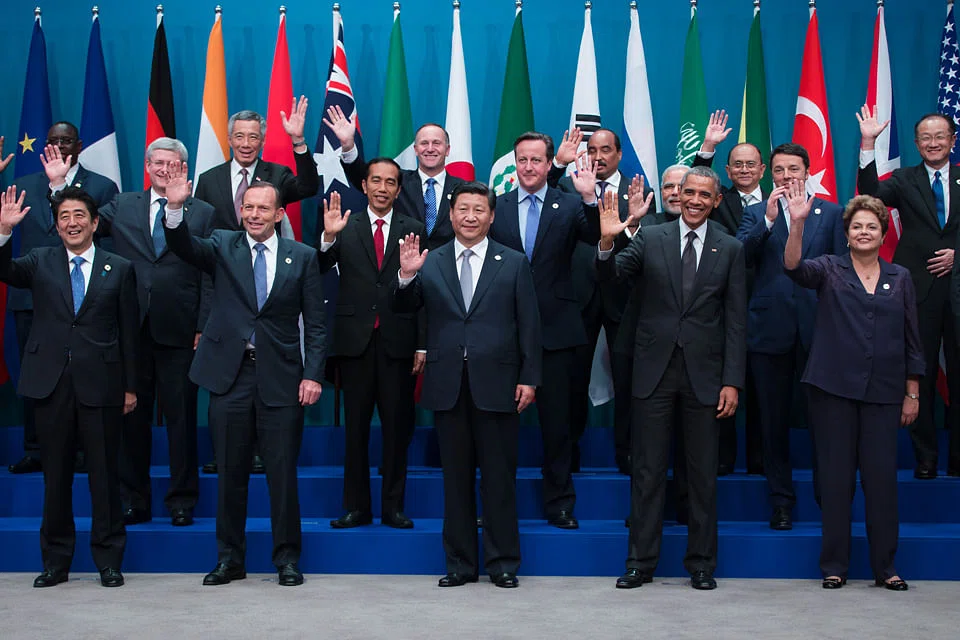
THE Brisbane meeting of the heads of G-20 countries was the third stop in President Obama's 2014 Asia visit. The meeting was preceded by a series of statements by the world economic leaders about the state of the global economy. All of them reflected deep concerns. International Monetary Fund (IMF) managing director Christine Lagarde was worried about what she saw as a "new mediocre" in global economic trends. The OECD was concerned that the global economy was "stuck in a low gear" and US Treasury Secretary Jack Lew was worried that Europe, not being able to extract itself from continuing slow growth, could be facing a lost decade.
A day after the G-20 concluded their meeting, Japan's grand economic experiment, also known as Abenomics, collapsed. The country unexpectedly fell into recession, a downturn that may have painful results for the global economy. The news from Europe was also troubling. The 18-nation euro economy grew by 0.6 per cent in the third quarter on an annualised basis. This time the big drags were the area's largest economies.
Some in the private sector were even more sceptical about the pace of recovery in the West. For instance, Paul Singer, a billionaire hedge-fund owner and manager, put it bluntly in his letter to his investors.
Copyright SPH Media. All rights reserved.

