

Time for Singapore to crack down on single-use plastic bags
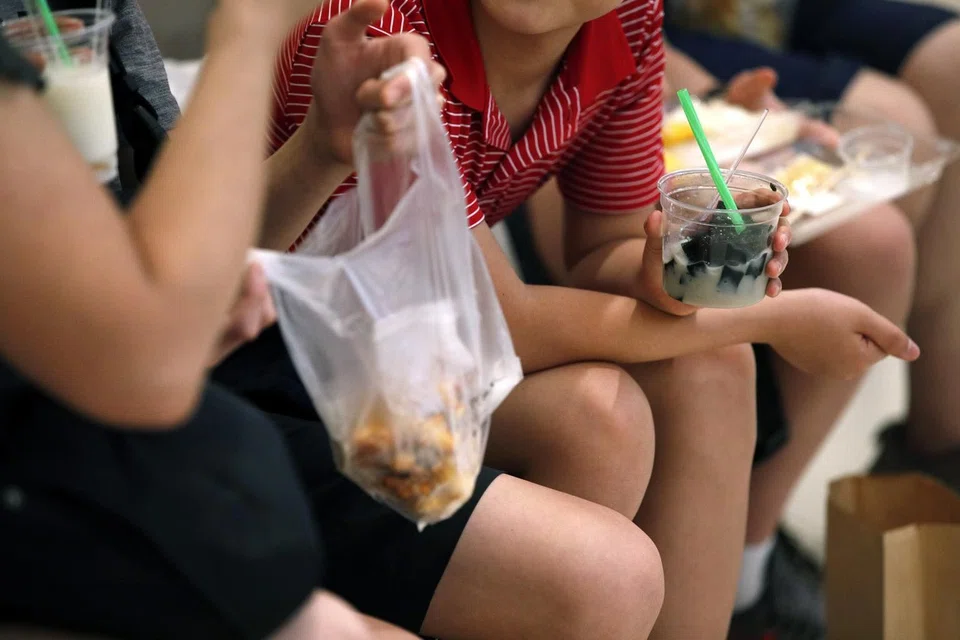
ON the morning of New Year's Day, Thailand - the second largest economy in South-east Asia - implemented a ban on single-use plastic bags being given out at major department stores, hypermarkets and convenience stores across the country where individuals use an average of eight plastic bags every day.
It is part of a nationwide effort to reduce garbage and help fight global warming, with the plan for a complete ban - including at wet markets and smaller grocery stores - in 2021. Predictably, many Thai shoppers were up in arms about the blanket ban, with some arguing that the government should have rolled it out gradually to allow people to get used to bringing their own bags. But in the two weeks since, there have been reports of how more people have started bringing their own bags or reusable containers. Those who did not can buy reusable bags from the cashier. Thailand's ban on single-use plastic bags is not a perfect one, by any stretch of the imagination. For instance, there have been complaints about how the policy has allowed retailers to eliminate the cost of providing plastic bags from their operating budget, and instead pass the burden to customers to either bring their own bag or buy what is available at the counter.
Many other countries have tried different ways to ban plastic bags from being given out. In Malaysia, Penang was the first state to launch a "no free plastic bag" campaign at supermarkets in 2011. The Selangor government also rolled out a similar policy in 2017, after implementing a "no plastic bag day" every Saturday since 2010. In Bangladesh, the High Court on Jan 6 ordered the government to ban single-use plastic bags in coastal areas, as well as hotels and restaurants, by 2021.
Singapore has a rather long way to go towards reducing its reliance on plastic bags, even though environmental groups and activists have, for years, been calling for a ban or for more businesses to start charging consumers who want a bag.
One study commissioned by the Singapore Environment Council in 2018 found that shoppers in Singapore take a whopping 820 million plastic bags from supermarkets every year. This works out to an average of 146 plastic bags for every person. To put the figure into context, the 820 million bags, if laid out on the ground, are enough to cover the land area of 126 Gardens by the Bay. The amount of petroleum used to produce these bags can power some 1.9 million car rides across the length of the city and back.
The government's current stand on the issue is to boost education efforts to reduce usage, and understandably so. In Singapore where the majority of people live in high-rise flats or condos, most of the plastic bags that people bring home from their shopping are reused to bag waste for disposal down the chute. Given Singapore's climate, this also helps to ensure that waste disposal is done in a clean and hygienic manner.
A survey conducted by government feedback unit Reach last year found that only 9 per cent of Singaporeans wanted a ban on disposable plastic bags, while another 21 per cent preferred a charge. The rest opted for public education to cut down on usage.
Raising the public's awareness of the environmental dangers of plastic bags may be the easiest solution, but the more effective way to bring down the usage numbers would be to legislate a charge for plastic bags. By hitting consumers in the pocket, it would make them think twice whether they really need that extra bag the next time they go shopping. If they argue that they need these bags to line their rubbish bins at home, they should pay a small fee for it. After all, plastic bags should not be seen as an entitlement, but something that should be paid for.
TRENDING NOW

KKR founders among investors buying 42% of Peter Lim’s Valencia; club valued at US$1.4 billion

Singapore’s central gas buyer affirms Indonesia’s role as ‘important partner’ amid export review warning

Why the biggest business decision about AI isn’t which model to choose
NEA issues notices to 10 Singapore-based companies, including Wilmar and APP, over haze

