Tough times for F&B players but mega trends buoy coffee shop group Kimly

SINGAPORE'S food scene is vibrant, with a wide array of cuisines to tempt picky taste buds. Foodies can choose from instagram-worthy F&B outlets, Michelin-starred restaurants, fancy food courts, neighbourhood coffee shops and hawker centres, among others.
But the results of some well-known F&B operators here paint a bleak picture. For the 6 months ended Sep 30, 2021, Singapore Exchange-listed Tung Lok Restaurants (2000) posted a loss attributable to shareholders of S$3.4 million. Revenue fell 10 per cent from a year ago.
The loss was in spite of S$4.3 million of other operating income that included Jobs Support Scheme grants and rent concessions from the government and landlords.
Tung Lok's net equity as at Sep 30, 2021 of S$8.7 million is 45 per cent below the S$15.9 million recorded as at Mar 31, 2017.
Singaporeans may love chilli crabs but a name associated with this dish, Jumbo Group, saw net loss widen to S$11.8 million for the financial year (FY) ended Sep 30, 2021, from S$8.2 million a year ago.
Jumbo's board did not recommend a final dividend, saying "liquidity will be conserved to support working capital requirements and carefully assessed growth investments and developments".
Dining-in restrictions amid the Covid-19 pandemic have contributed to the woes of groups such as Jumbo, which was profitable in the pre-pandemic days. But its profitability has also been falling. Net profit for FY2019 was 25 per cent lower than in FY2016.
Meanwhile, any emergence of new variants of the virus will complicate the lifting of pandemic-related restrictions.
Moreover, it may take a long time for many Chinese travellers to resume visits to Singapore as China continues to pursue a Covid-zero strategy. Having hoards of Chinese visitors devouring chilli crabs at Jumbo's outlets here still seems a distant dream.
F&B operators look set for a bumpy ride this year as they contend with higher costs of labour, food and utilities. They may receive less money in the form of grants and concessions. Then, there is the possible 2-percentage-point hike in the Goods and Services Tax rate - which could lead to diners tightening their belts.
Sweet spot
Amid the pandemic and dining-in restrictions, coffee shop operator listed Kimly has done well.
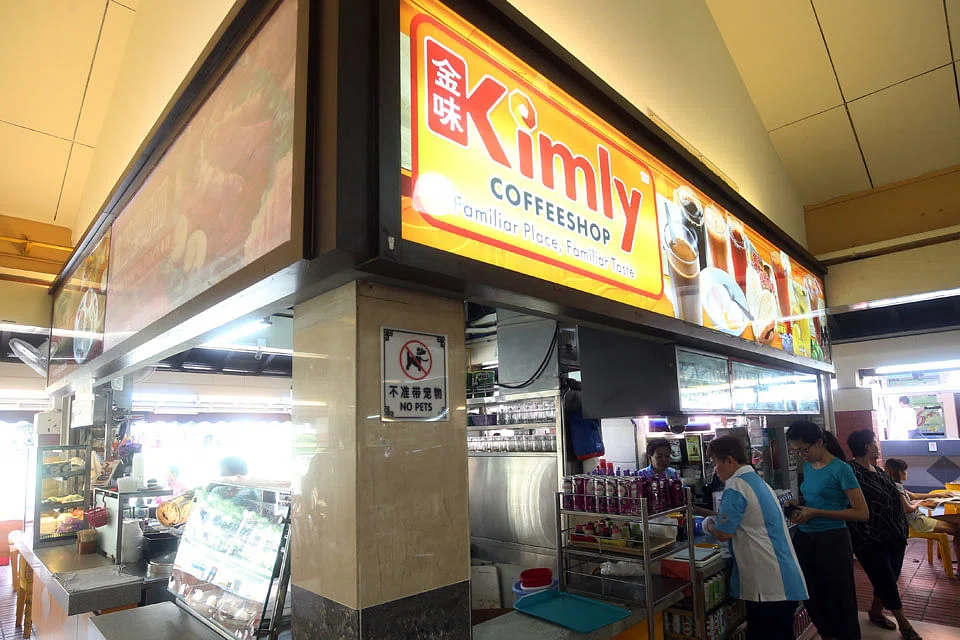
Founded in 1990, Kimly is one of the largest traditional coffee shop operators here. The group operates and manages an extensive network of coffee shops, food courts and industrial canteens. It also runs food stalls, restaurants and confectionery shops.
Kimly posted a 56 per cent year-on-year growth in net profit to S$39.3 million for FY2021 ended Sep 30, as revenue rose 13 per cent from a year ago to S$238.6 million.
Kimly's board has proposed a final dividend of 0.84 Singapore cent per share and a special dividend of 0.6 Singapore cent per share.
As at Sep 30, 2021, Kimly had net cash of over S$70 million. This sum is over half of its shareholders' equity. Kimly's shareholders' equity has grown by around 81 per cent from Sep 30, 2017.
The group achieved a return on shareholders' funds of 29.5 per cent for its latest FY and over 20 per cent for each of the last five FYs.
Compared to a year ago, Kimly's share price has risen around 22 per cent to S$0.41 as at Jan 18, 2022, which represents a historical price-earnings multiple of around 12 times.
Prospects still strong
At its annual general meeting on Jan 26, 2022, Kimly's shareholders may ask management if performance is sustainable given the tough F&B environment.
Two big trends appear to be more supportive of the prospects for coffee shop operators such as Kimly over those of restaurant players Tung Lok or Jumbo.
The first trend is the entrenchment of working from home, due to digitalisation and the pandemic. The other is Singapore's move to being a high-productivity, high-wage, high-cost economy - one in which residents can bear higher costs because they have higher wages, and can earn higher wages because they have higher productivity.
Kimly benefits from widespread adoption of work from home. It has many coffee shops conveniently located near homes to serve the dining needs of people who are working from home.
Efforts to raise the income of lower-wage workers by rolling out the progressive wage model across various sectors, and to gradually reduce Singapore's reliance on foreign manpower, can hurt F&B operators by increasing costs.
At the same time, raising wages of lower wage workers means greater buying power for this group - which may lead to more spending in heartland coffee shops.
The F&B sector is competitive, with a high rate of attrition among F&B outlets. Satisfying the cravings of Singaporeans, who are spoilt for choice, is not easy.
Coffee shops need to innovate to stay relevant. Over the years, the range of cuisines offered and standards of cleanliness have improved at many outlets. Challenges abound to keep food prices affordable amid rising inflation.
Just as well run heartland malls appear better placed than downtown malls, heartland F&B outlets such as coffee shops could outperform downtown outlets. Serving dense residential areas may be more profitable than catering to hospitality- or office-centric precincts in a covid-endemic Singapore.
Providing good food at affordable prices, with quality service, while watching the bottom line, is challenging. Perhaps savvy players see brighter days ahead for providers of affordable F&B offerings. Could this be why the founding shareholders of food court operator Koufu Group launched an offer late last year to try to privatise the company?
With its heartland coffee shops, Kimly can ride on favourable trends of people working from home in the heartlands and the growing income of heartlanders.