
Why 'sorry' is still the hardest word
Two apologies by two high-profile figures were likely prompted more by politics than genuine contrition.
 Add BT as a preferred source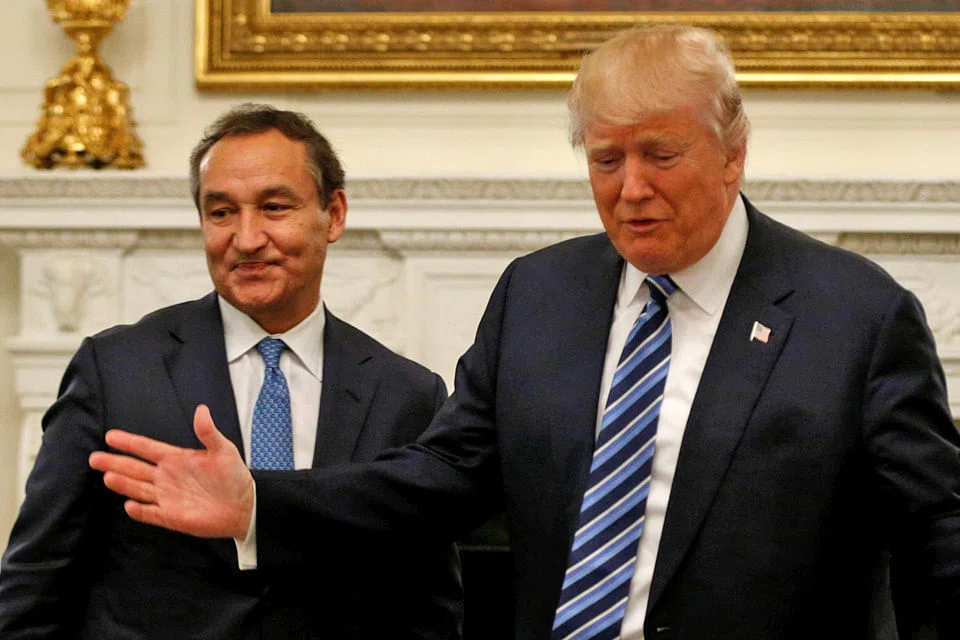
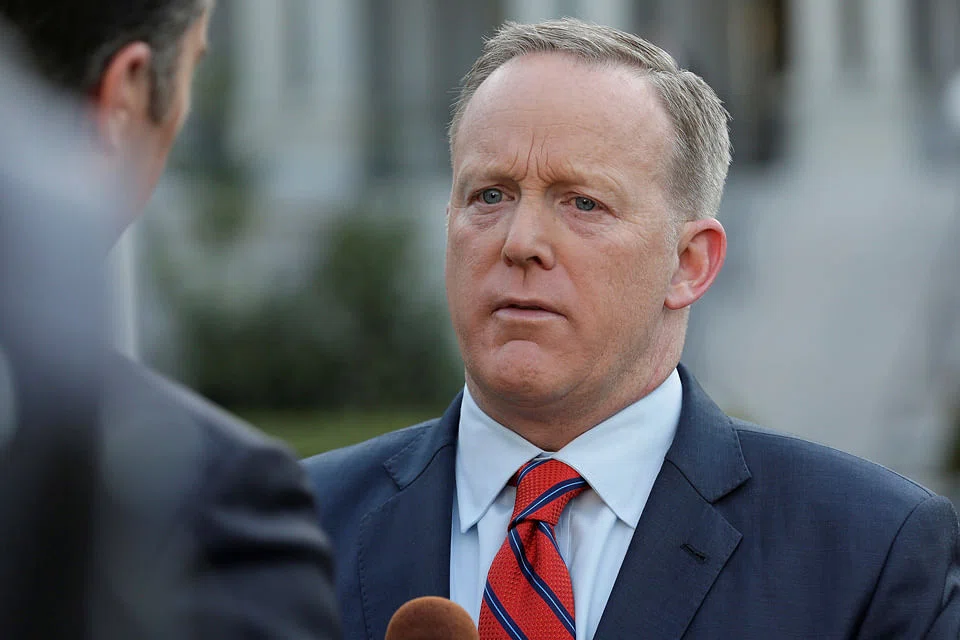
I'M sorry. Two simple words, not so simply said. On Wednesday, the public representatives of two embattled American institutions - United Airlines and the White House - found themselves on national television grappling with a delicate and increasingly common ritual of the corporate and political worlds: the public apology.
Oscar Munoz, United's chief executive, recalled his "shame" upon seeing a cellphone video, shared by millions of people, of a paying passenger being violently evicted from one of his airline's flights. Face taut, voice soft, his televised prostration was a far cry from the robotic statement issued by United days earlier, expressing regret for "re-accommodating" a traveller.
Around the same time, President Donald Trump's press secretary, Sean Spicer, was denouncing himself as "reprehensible" for having favourably compared Hitler to President Bashar al-Assad of Syria and referring to Nazi death camps as "Holocaust centres," all while standing at the White House podium.
Share with us your feedback on BT's products and services

