

Lens on Singapore: Goodbye to HDB’s cat-tastrophic ban
Lee Kim Siang
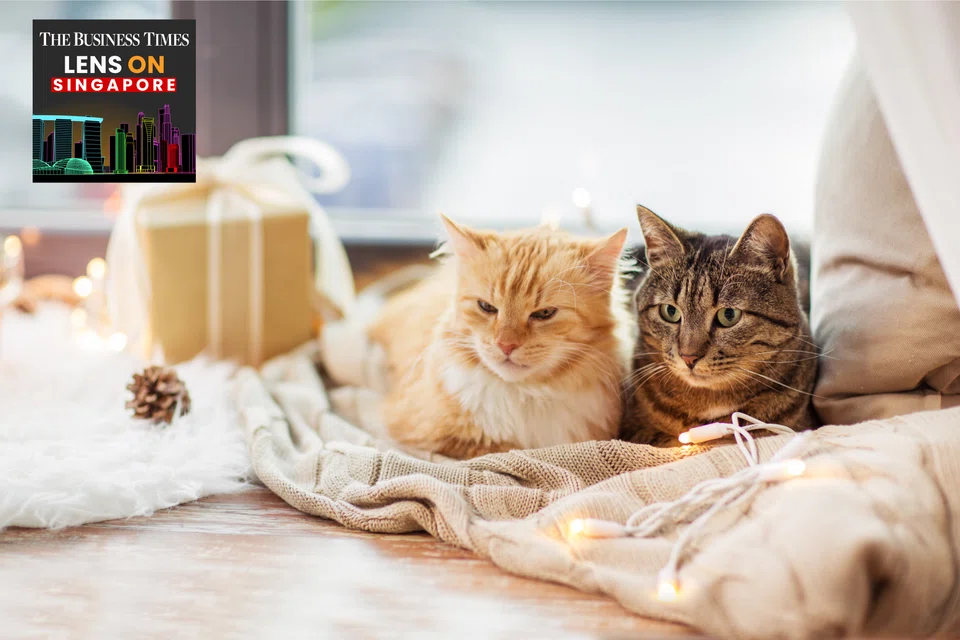
FOR over three decades, the Singapore government maintained a ban on pet cats in Housing and Development Board (HDB) flats, a policy that has now been overturned. The introduction of a cat licensing framework marks a significant shift in how the nation approaches pet ownership, particularly for cat lovers living in HDBs. This change reflects evolving societal attitudes towards animal welfare and responsible pet ownership.
Production editor Lee Kim Siang finds out more with Sylvia Tan, cat fosterer; Thenuga Vijakumar and Rifdi Rafiuddin, leaders of Cat Welfare Society; and Anna Wong, group director for community animal management at the Animal & Veterinary Service. This is Lens on Singapore, where we take a monthly big picture look at current affairs, societal issues and government policies.
The shift in government policy
Historically, the rationale behind the cat ownership ban was based on concerns regarding public hygiene and the challenges of containing cats within residential areas. However, the reality has been different, with many residents keeping cats regardless of the law. The new framework, which allows residents to own cats legally, aims to promote responsible ownership while addressing past concerns.
Anna Wong, group director for community animal management at the Animal & Veterinary Service, explains that under the new regulations, residents can now keep up to two cats in HDB flats and up to three in private properties. This change is not only a victory for cat owners, but also a recognition of the important role that pets play in enhancing the quality of life for many Singaporeans.
The cat licensing framework: what you need to know
As of Sept 1, 2024, cat owners in HDB flats must adhere to specific regulations under the new licensing framework which include mandatory licensing; responsible ownership; encouraged sterilisation; and a recommended transition period.
Community support and adoption
The Cat Welfare Society has been a pivotal advocate for this change, pushing for legal recognition of cat ownership since 2001. The successful Love Cats pilot project in 2012 demonstrated that responsible cat ownership could coexist with community standards, paving the way for the current framework.
Sylvia Tan, an HDB cat owner and fosterer, shares her experience of caring for multiple cats and fostering kittens. She emphasises the joy and companionship that cats bring to her life, highlighting the positive impact of responsible pet ownership on individuals and families.
The future of cat ownership in Singapore
With the introduction of the cat licensing framework, there is hope that more residents will consider adopting cats responsibly. Thenuga Vijakumar and Rifdi Rafiuddin of the Cat Welfare Society, express optimism that the new regulations will encourage accountability among cat owners and reduce the number of community cats. They note the growing trend of adopting over purchasing pets, signalling a shift in public perception towards animal welfare.
The new cat licensing framework represents a significant step forward for pet ownership in Singapore. By promoting responsible cat ownership and addressing community concerns, the government aims to create a harmonious environment for both residents and their feline companions.

As Singapore embraces this new era for cat ownership, it is essential for current and prospective cat owners to understand and comply with the new regulations while continuing to advocate for animal welfare.
Listen to the full episode for a deeper dive into the issues surrounding cat ownership in Singapore.
And if you liked this, listen to our other Lens On episodes at bt.sg/lenson.
If you have feedback or an episode idea, please get in touch at btpodcasts@sph.com.sg
Decoding Asia newsletter: your guide to navigating Asia in a new global order. Sign up here to get Decoding Asia newsletter. Delivered to your inbox. Free.
Share with us your feedback on BT's products and services
TRENDING NOW

One-third of Singapore-listed firms at risk in severe AI downturn: MAS
‘Not done’: Keppel CEO Loh Chin Hua transformed the group, but says there’s ‘still a lot to do’

He built the Vingroup empire. Now South-east Asia’s richest man is handing some key roles to his sons
‘We don’t want to stay as we are’: CEO Patrick Ng builds a more resilient Huationg

