


What will a driverless Singapore look like?
Singapore’s first driverless buses are coming — but are we ready to let go of human drivers? Derryn Wong finds out how close we are to a driverless future.
Singapore’s roads are on the brink of a quiet revolution. The government has green-lit its first driverless bus fleet, six fully autonomous electric shuttles slated for deployment around Marina Bay and One-North by 2026. What once felt like science fiction is fast becoming urban planning.
The promise is alluring: fewer accidents, smoother commutes, and a solution to the looming shortage of human drivers. But as autonomous vehicles start edging into real traffic, questions of safety, accountability, and even human acceptance begin to surface.
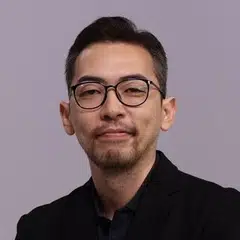
In this episode of TransportBT, a podcast of BT Correspondents, host Derryn Wong sits down with associate professor Raymond Ong from NUS College of Design and Engineering to unpack how Singapore is preparing for a future without drivers and what it means for the people who still make a living behind the wheel.
Why listen
- The tech behind the wheel: How breakthroughs in sensors, software, and cost efficiency are accelerating the rollout of autonomous transport.
- Safety and scepticism: Why driverless vehicles may outperform humans on the road, and what still keeps regulators awake at night.
- Jobs and the human factor: From fleet controllers to sensor engineers, how automation could reshape, not erase, transport careers.
Singapore’s autonomous journey is about more than machines. It’s about balancing innovation with trust, efficiency with empathy, and progress with people.
Because whether you drive, ride, or simply cross the street, the next wave of mobility won’t just change how we move. It will change who’s in control.
Catch the full episode of TransportBT with host Derryn Wong. TransportBT is a podcast of BT Correspondents by The Business Times. Join Derryn Wong every month as he breaks down the headlines and the policy moves behind them for you. Listen now at bt.sg/podcasts. Got feedback or an idea for a future episode? Drop us a line at btpodcasts@sph.com.sg.
---
Written and hosted by: Derryn Wong (derrynwong@sph.com.sg)
With Raymond Ong, associate professor, NUS College of Design and Engineering, Department of Civil and Environmental Engineering
Edited by: Emily Liu & Claressa Monteiro
Produced by: Derryn Wong, Emily Liu & Chai Pei Chieh
A podcast by BT Podcasts, The Business Times, SPH Media
---
Follow BT Correspondents:
Channel: bt.sg/btcobt
Amazon: bt.sg/btcoam
Apple Podcasts: bt.sg/btcoap
Spotify: bt.sg/btcosp
YouTube Music: bt.sg/btcoyt
Website: bt.sg/btcorresp
Do note: This podcast is meant to provide general information only. SPH Media accepts no liability for loss arising from any reliance on the podcast or use of third party’s products and services. Please consult professional advisors for independent advice.
---
Discover more BT podcast series:
BT Money Hacks: bt.sg/btmoneyhacks
BT Podcasts: bt.sg/pcOM
BT Market Focus: bt.sg/btmktfocus
BT Lens On: bt.sg/btlenson
Decoding Asia newsletter: your guide to navigating Asia in a new global order. Sign up here to get Decoding Asia newsletter. Delivered to your inbox. Free.
Copyright SPH Media. All rights reserved.
ABOUT THE PODCAST
BT Correspondents brings together some of The Business Times’ most trusted columnists in a single series. Featuring Mark to Market, WealthBT, TransportBT, and PropertyBT, weekly episodes deliver expert analysis and clear perspectives on stocks, wealth, mobility, and real estate. It is essential listening for professionals who want context, clarity, and depth.
TRENDING NOW

NEA identifies 7 firms responsible for haze fires, notices issued urging action: Grace Fu
DBS remains analysts’ pick ahead of Q3 earnings after Singapore banks’ share slump
High Court rules against Julius Baer’s Singapore trust arm in US$50 million family trust dispute

Could stablecoins be the future of money?

