

ABSD (Trust) not intended to be a wealth tax: Chee Hong Tat
Lisa Kriwangko
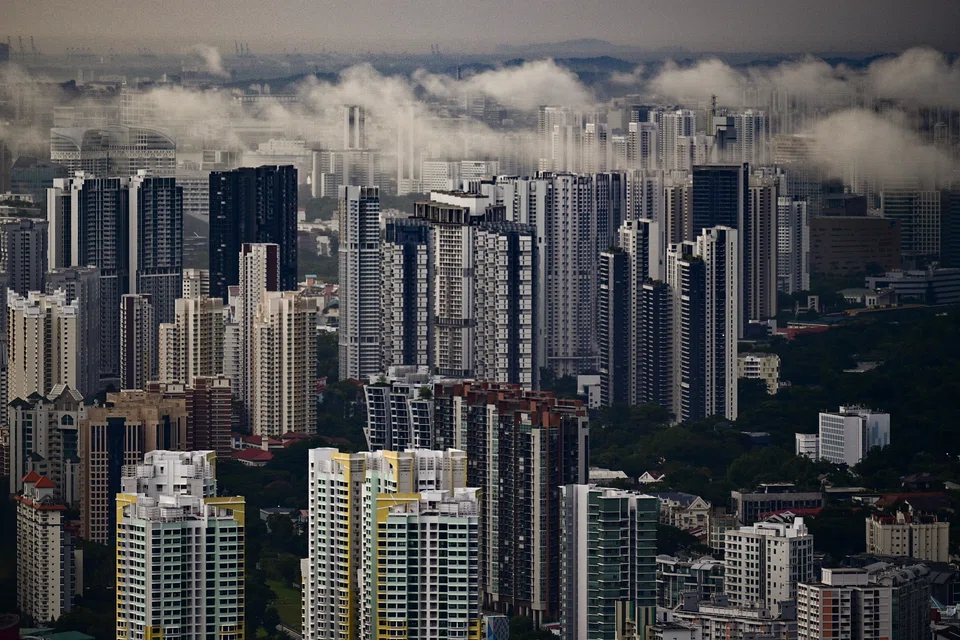
SENIOR Minister of State for Finance Chee Hong Tat said on Tuesday (Jul 5) that the new stamp duties introduced in May are not intended to be a form of wealth tax; instead, they are part of the government’s raft of measures aimed at cooling down the residential property market.
He was referring to the Additional Buyer’s Stamp Duty for Trust or “ABSD (Trust)”, the Additional Conveyance Duties for trust or “ACD (Trust)”, and the stamp duties imposed on the renunciation of a trust property in his reply to Member of Parliament Don Wee, who had asked how much the government expected to raise from these new stamp duties.
Chee said he was unable to give the exact amount.
The Ministry of Finance announced on May 8 that a 35 per cent ABSD (Trust) would be imposed on a transfer of a residential property into a living trust, with the duty taking effect from May 9.
Previously, ABSD collected on transfers to trusts with an identifiable beneficial owner of the property was accounted for according to the profile of the identified owner; ABSD did not apply for trusts without identifiable beneficial owners.
The Stamp Duties (Amendment) Bill, which proposed to introduce a stamp duty on the renunciation of interest in a residential property by an identifiable beneficiary where the residential property was held in a bare trust, was later introduced in Parliament on May 9. It took effect the following day. May 10.

Chee said that the changes would not be retroactively applied to transfers before May 10. “It would undermine the rule of law and affect the confidence that the public and businesses have in the certainty that Singapore offers,” he said.
He further clarified that ABSD (Trust) and ACD (Trust) would also apply to instruments created outside the country, but involving properties in Singapore and with transfers received in Singapore.
The Stamp Duties Amendment Bill was passed in Parliament on Tuesday.
Decoding Asia newsletter: your guide to navigating Asia in a new global order. Sign up here to get Decoding Asia newsletter. Delivered to your inbox. Free.
Share with us your feedback on BT's products and services
TRENDING NOW
Chairman’s role in spotlight with raft of proposed new rules for Singapore boards

Director of PR firm sacked for secretly recording internal meeting loses wrongful dismissal claim

Indonesia stocks suffer worst plunge in nearly 30 years as MSCI proposes standalone status

If Europe goes to war, the fallout will be felt in East Asia

