Affordable apartments are coming to the top of New York’s skyline
 Add BT as a preferred source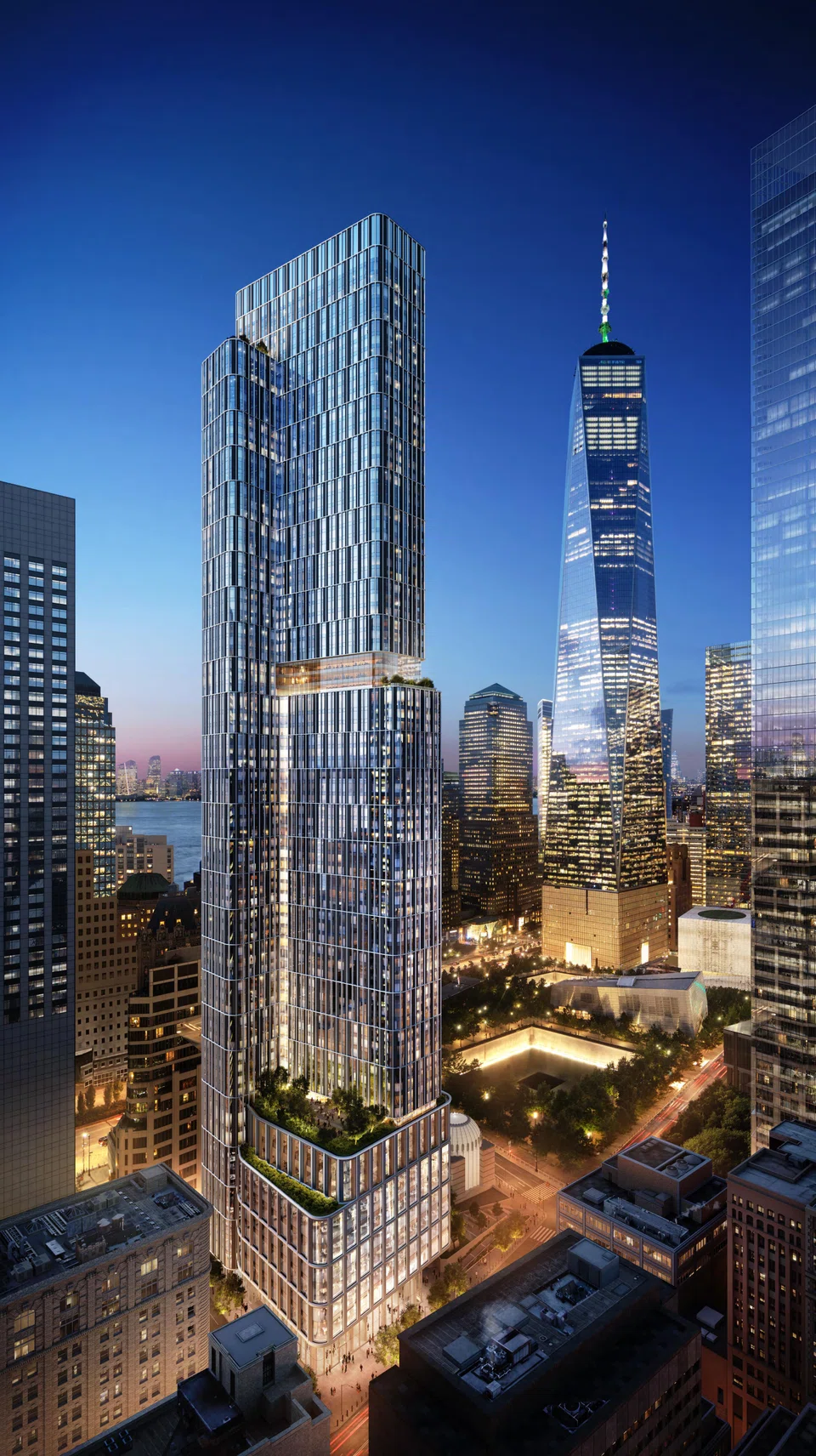
THE latest luxury tower to rise in New York could distinguish itself not for its sky-high views, but for its residents: survivors of 9/11, and some of the lowest-income renters in the city.
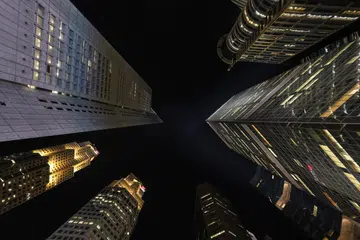
On Thursday (Jul 27), a state oversight board cleared the way for a 900 foot mixed-use tower to be built at 130 Liberty St, also known as 5 World Trade, the only site on the World Trade Center campus that is expected to be residential.
It took two decades of political wrangling. But the real feat, spurred by a group of local agitators, could be the inclusion of an unexpected share of permanently below-market-rate apartments.
Four hundred of the 1,200 units will be reserved for low and middle-income renters, spread across the soaring tower. A portion of those units, 80 apartments, will be offered to people who lived or worked in lower Manhattan between Sep 11, 2001, and the end of June 2002.
It represents a rare inversion of New York’s new supertall skyline, known for its pieds-a-terre for some of the wealthiest people in the world, on one of the most symbolic development sites in the city.
“We’re tremendously happy with what we have achieved,” said Mariama James, a member of the Coalition for a 100% Affordable 5WTC, the neighbourhood group that fell short of its original goal but pushed the developers further than some had anticipated.
The building, designed by Kohn Pedersen Fox Associates, will sit on public land and is being developed by a team led by Brookfield Properties and Silverstein Properties. An earlier proposal would have reserved one-fourth of the units at below market rate and included no carve-out for 9/11 survivors. Opposition was swift.
“How can you build a residential tower that is blocks – no, feet – from ground zero, and not have any units allocated to the 9/11 community?” said James, who has lived near the World Trade Center for decades. Her father died of a 9/11-related illness in 2021, followed by her mother earlier this year, from colon cancer, she said, and she and her family suffer from the health effects of exposure to the pollutants released after the attacks.
In a statement, Marty Burger, CEO of Silverstein Properties, thanked elected officials and public agencies for their “commitment to this important project”, but the company declined to comment further on the new mix of affordable units. The tower will also include commercial, retail and office space.
The revised plan, approved by the Public Authorities Control Board, comes after months of philosophical – and ultimately financial – deliberations: How much affordable housing makes sense in a skyscraper?
The property owner, the Lower Manhattan Development, a subsidiary of state-controlled Empire State Development, estimated in 2021 that each unit of housing would cost about US$1 million to build, about twice as much as a unit in a typical affordable project, in part because of the complexities of building a skyscraper on the site.
In May, the boards of Empire State Development and the Port Authority, which will collect rent on the site, agreed to increase the number of income-restricted units to 30 per cent, from 25 per cent. Governor Kathy Hochul then announced that an additional US$65 million in unallocated public funding could be used to subsidise the project and add more affordable units, said Senator Brian Kavanagh, who helped negotiate the deal.
“Affordability doesn’t materialise out of goodwill,” he said. “I think we got to a place where a great many people in our community are very enthusiastic about this.”
A majority of the income-restricted units will skew towards lower-income renters, including 252 units that will be split between tenants who make 40 per cent to 80 per cent of the area median income, or about US$50,800 to US$101,700 for a family of three. And 148 units will go to renters making 100 per cent to 120 per cent of the median income, or up to about US$152,500 for a family of three.
Affordability
The plan will mean a substantial increase in affordable housing for the area. Since 2014, the city has financed 212 new affordable units in the district that includes the World Trade Center.
Not everyone is happy with the updated plan.
“It’s a little depressing,” said Todd Fine, a member of the 100% Affordable coalition, who wanted to see a much greater degree of affordability for the last undeveloped public site on the 16 acre (6.4 hectare) World Trade Center campus. He points to the faltering office market as a sign that now is the time to push for more affordable housing.
Maybe, he said, it’s time to consider bringing affordable housing to other parts of the neighbourhood, like a long-delayed office tower nearby?
“Why don’t we make 2 World Trade Center fully affordable?” he said. NYTIMES
Decoding Asia newsletter: your guide to navigating Asia in a new global order. Sign up here to get Decoding Asia newsletter. Delivered to your inbox. Free.
Share with us your feedback on BT's products and services