

Art as shaped by a city's playgrounds
 Add BT as a preferred source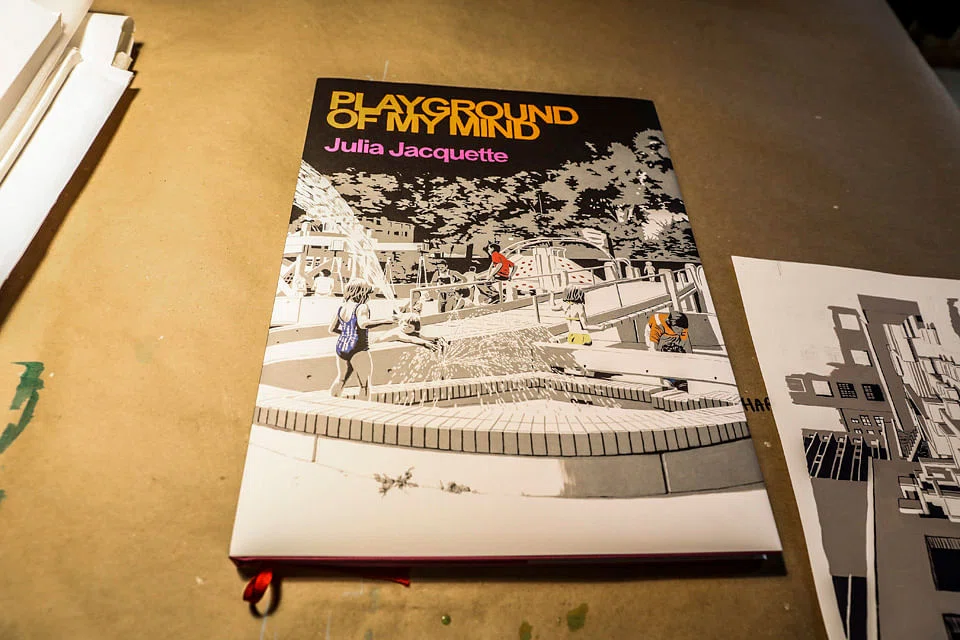
DeeperDive is a beta AI feature. Refer to full articles for the facts.
New York
GROWING up on Manhattan's Upper West Side in the 1970s, artist Julia Jacquette saw plenty of the urban decay for which that era is known.
Vacant lots filled stretches of Columbus Avenue near her family's apartment, she recalled. But that gritty atmosphere was less influential for her than what was being built a block to the east, in Central Park. The city, teetering on the verge of bankruptcy, was somewhat improbably in the midst of a playground renaissance - one that informed Ms Jacquette's art in ways that she explores in a new autobiographical book, Playground of My Mind. The typical city playground of that time was built as an afterthought, a corral for children, made of asphalt and chain-link fencing. The play equipment was sparse and isolated: a slide here, a seesaw there, a jungle gym. Nothing connected.
Copyright SPH Media. All rights reserved.
TRENDING NOW

From 1MDB to ‘corporate mafia’: Is Malaysia facing a new governance test?
Middle East-linked energy supply shocks put Asean Power Grid back in focus

Beijing’s calculated silence on the Iran war
DPM Gan warns of 3 structural shifts to the global system that will bring greater challenges – and opportunities

