
Australia housing industry at capacity as supply lines snarl: RBA
 Add BT as a preferred source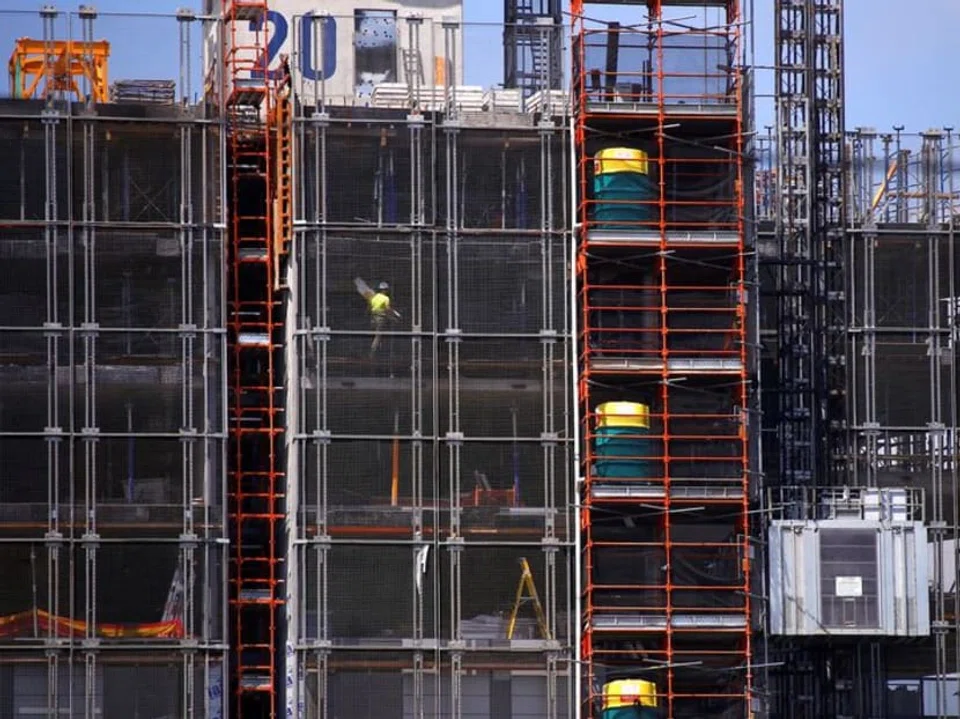
AUSTRALIA'S housing industry has a strong pipeline of new work but faces global supply disruptions and rising material costs which are delaying completions and squeezing margins, a top central banker said on Wednesday (May 25).
In a nod to one of the main drivers of surging inflation, Reserve Bank of Australia (RBA) assistant governor Luci Ellis said one-fifth of businesses were reporting difficulty in sourcing materials and houses were now taking 9 months to finish instead of the normal 6.
"There is an unusually large pipeline of detached homes that are yet to be completed," Ellis told an urban development conference. "All the signs point to the fact that the residential construction industry is at capacity and cannot work down this pipeline any faster."
This meant housing construction would remain strong for longer, even as interest rates rose, said Ellis.
The RBA lifted rates this month for the first time in more than a decade and is widely expected to hike several more times this year as it tackles red-hot inflation.
Ellis noted that demand for new homes would eventually wane as rates rose further.
Navigate Asia in
a new global order
Get the insights delivered to your inbox.
There had also been a pandemic shift toward wanting more space, which had seen the average size of households fall in the last couple of years.
The decline was enough to create about 140,000 new households, largely offsetting the loss of migrants caused by closing the international borders in 2020 and 2021.
This trend was now reverting back to normal and population trends were expected to return to pre-pandemic patterns by 2024, said Ellis.

Several government subsidies for home building had also ended, easing pressures on the construction sector.
"The backlogs and strained capacity will ultimately work themselves out," said Ellis. "When it does, we can expect some of the current rate of cost escalation and squeeze on margins to ease." REUTERS
Decoding Asia newsletter: your guide to navigating Asia in a new global order. Sign up here to get Decoding Asia newsletter. Delivered to your inbox. Free.
Share with us your feedback on BT's products and services

