Australia housing prices drop slows economy

[SYDNEY] A fall in home prices is making financial conditions in Australia more restrictive, according to a senior central bank official, helping efforts to reduce aggregate demand and cool the economy.
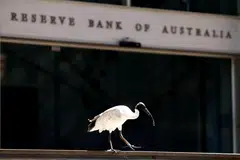
“The housing market appears to have softened by somewhat more than the recent increase in interest rates would imply, contributing to financial conditions potentially being a bit more restrictive than otherwise,” Reserve Bank of Australia (RBA) assistant governor Chris Kent said in Sydney on Thursday (Aug 13).
Kent said that the housing price drop was due to interest rate hikes, a reaction to rapid growth in previous years and changes to housing tax breaks in the May budget. “All else equal, these changes will tend to reduce the extent to which monetary policy needs to constrain the growth in aggregate demand to help bring inflation back to the RBA’s target,” he said.
In addition to higher interest rates, reduced tax breaks for investors, a higher cost of living and households’ already heavy debt burden are putting pressure on prices.
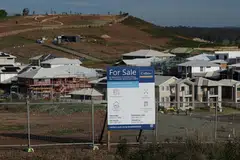
Prices fell in June and July by the most since December 2022 as rising interest rates and tax changes hit demand. Values dropped 0.7 per cent nationwide in July from June, led by a 1.4 per cent decline in Sydney, with losses across many major cities and regional areas, data from property consultancy Cotality showed this month.
Kent said the tightening this year was working as intended, with restrictive monetary policy slowing aggregate demand and helping bring inflation back toward the RBA’s target. “The growth of aggregate demand appears to be slowing. This is intended and is needed to bring inflation back to target,” he said, a few days after the bank decided to keep rates on hold after hiking three times this year already.

Although the bank’s forecasts on Tuesday were that inflation would now slow back toward the target band, after the meeting governor Michele Bullock adopted a hawkish stance, signalling that further tightening may still be necessary if prices rise faster than forecast.
Asked about that, Kent pointed to high economic uncertainty and said risks to the inflation outlook were “very much to the upside.” He added that “a lot of things still have to go right” for inflation to slow as forecast, including the Strait of Hormuz reopening reasonably soon. BLOOMBERG
Decoding Asia newsletter: your guide to navigating Asia in a new global order. Sign up here to get Decoding Asia newsletter. Delivered to your inbox. Free.
Share with us your feedback on BT's products and services