Australia’s building approvals slump to lowest level in 11 years
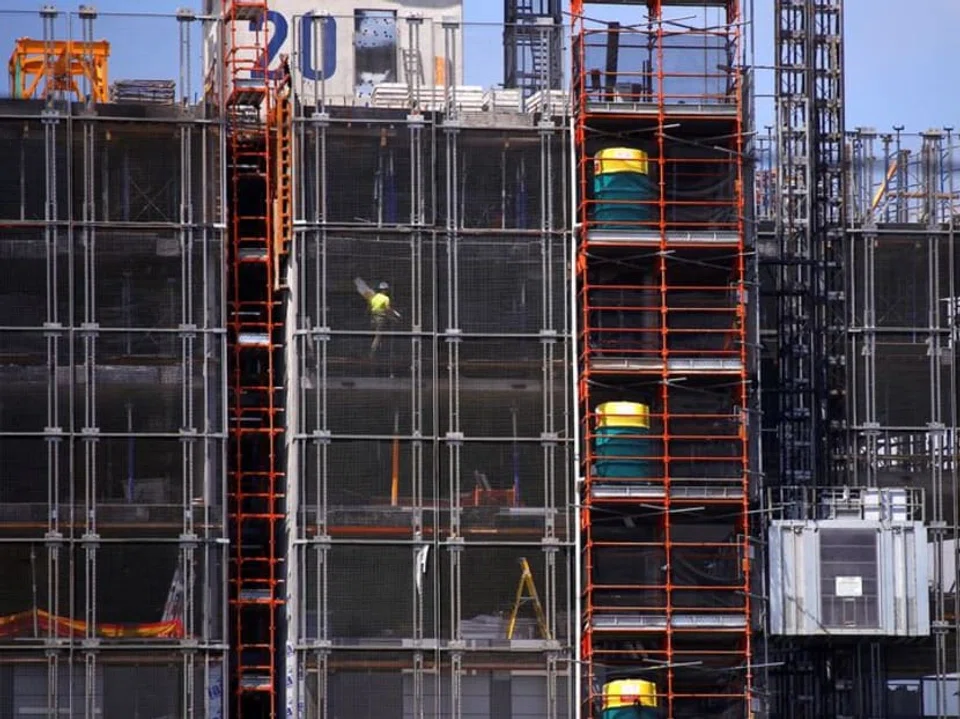
APPROVALS to build new homes in Australia tumbled to the lowest level in 11 years, driven by fewer permits for apartment buildings, suggesting weak residential property investment will continue to drag on the economy.
Total dwelling approvals slid 8.1 per cent in April from a month earlier, as permits for apartments plunged 16.5 per cent, data from the Australian Bureau of Statistics (ABS) showed on Tuesday (May 30). While the monthly series can be volatile, the trend has been weak for an extended period, with total approvals falling 24.1 per cent from a year ago.
“Total dwellings approved fell to the lowest level since April 2012,” said Daniel Rossi, ABS’ head of construction statistics. “Private sector house approvals also continued to decline.”
Australia’s residential construction industry is reeling from a combination of shortages of materials and labour, falling property prices and an unwinding of government subsidies that drove demand earlier in the Covid-19 pandemic. High interest rates are also crimping demand and driving up financing costs.
The Reserve Bank of Australia (RBA) is in the midst of its most aggressive tightening cycle in a generation, having hiked the cash rate by 3.75 percentage points since May 2022 to 3.85 per cent. RBA governor Philip Lowe has reiterated the board’s determination to do what is required to bring inflation back to the 2 per cent to 3 per cent target.
A key risk to that goal is that a housing shortfall risks further fuelling rental inflation at a time when the economy is experiencing a strong rebound in population growth from immigration.
“There is no ignoring the fact that the mismatch between supply and demand continues to be the driving force pushing capital city rents higher,” said Kaytlin Ezzy, an economist at property consultancy CoreLogic.
“In April, national unit listings continue to be around 20 per cent below the levels typically expected this time of year, a shortfall of around 10,000 listings.”
Money market bets imply that the RBA’s tightening cycle is all but done; economists at Goldman Sachs Group, Credit Suisse and National Australia Bank see more to come.

Data to be released next week is likely to show that dwelling investment detracted from overall gross domestic product growth in the first three months of the year. Economists expect the weakness to persist in response to higher borrowing costs.
Decoding Asia newsletter: your guide to navigating Asia in a new global order. Sign up here to get Decoding Asia newsletter. Delivered to your inbox. Free.
Share with us your feedback on BT's products and services