Australia’s home prices fall further ahead of expected rate hike
They are down for a seventh straight month and are on track for the biggest fall in 40 years
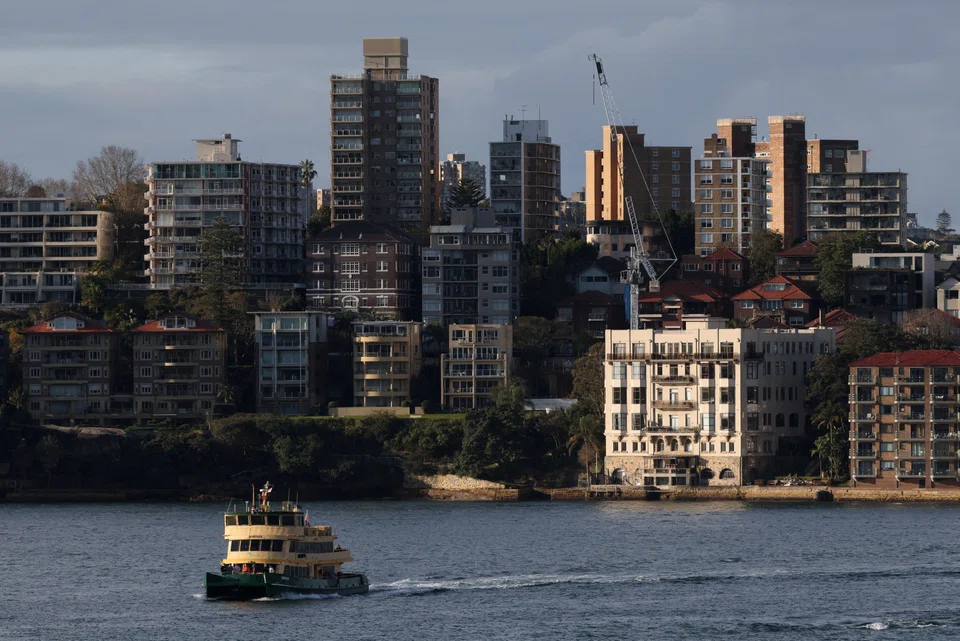
AUSTRALIA’s home prices tumbled for a seventh straight month and are on track for the biggest fall in 40 years, a private gauge showed, as the Reserve Bank of Australia (RBA) is expected to increase borrowing costs again this week.
The Home Value Index for major cities slid 1.4 per cent in October and is down 8.1 per cent over the past seven months, property consultancy Cotality said in a report released on Monday (Nov 2).
Brisbane led the declines, with a 2 per cent drop, followed by 1.7 per cent in Perth, 1.6 per cent in Sydney and 1.2 per cent in Adelaide.
Tim Lawless, Cotality’s research director, said: “The mid-sized capitals, where home values recorded extreme growth conditions over the past six years, are now well and truly in a correction.
“Virtually every suburb across Brisbane, Perth and Adelaide has recorded a drop in values over the past three months.”
The RBA has raised interest rates four times this year in an effort to drag inflation back into its 2 to 3 per cent target band as shocks from the US-Iran war and domestic capacity pressures stoke price growth.
Hotter consumer price index figures last week bolstered bets of another increase on Tuesday, threatening to put further pressure on the housing market, a key transmission mechanism for monetary policy.
On top of that, curbs on tax breaks for property investors introduced in the May Budget amplified those declines.
Another 25-basis-point hike would take the average variable mortgage rate to around 6.7 per cent, the report calculated, underscoring the growing financial stress on homeowners.
SEE ALSO


Lawless reckoned that would mean borrowing capacity has dropped by around 11.5 per cent, or more than A$105,000 (US$73,700), through the rate-hiking cycle to date, well in excess of the A$63,400 decline in the national median dwelling value from its March peak.
Despite the price drops in major cities, Cotality noted that the upswings in previous years provide a solid buffer. It estimated that a 20 per cent drop in Perth values from their record high only returns the market to levels seen in mid-2025.
RBA governor Michele Bullock made a similar point to a Senate panel last week, noting prices are still up 50 per cent since the pandemic.
“While many are facing budget pressures, only a small share of borrowers are in negative equity or facing severe repayment difficulty,” she said.
Cotality also pointed to key factors that should help contain the downturn, chief among them being persistently low levels of newly built housing supply.
On top of that, while Australia’s population growth is slowing from very high levels in recent years, it is still growing and adding to underlying demand for housing.
“The balance of risks remains skewed to the downside, with the decline in home values on track to be the largest in at least 40 years,” Cotality said.
“The prospect of further interest rate hikes, reduced borrowing capacity, worsening serviceability constraints, softer labour market conditions, low consumer sentiment and weaker investment demand are likely to weigh on housing activity and values.” BLOOMBERG
Decoding Asia newsletter: your guide to navigating Asia in a new global order. Sign up here to get Decoding Asia newsletter. Delivered to your inbox. Free.
Share with us your feedback on BT's products and services