

Australia’s home prices rise in July but three capital cities record decline
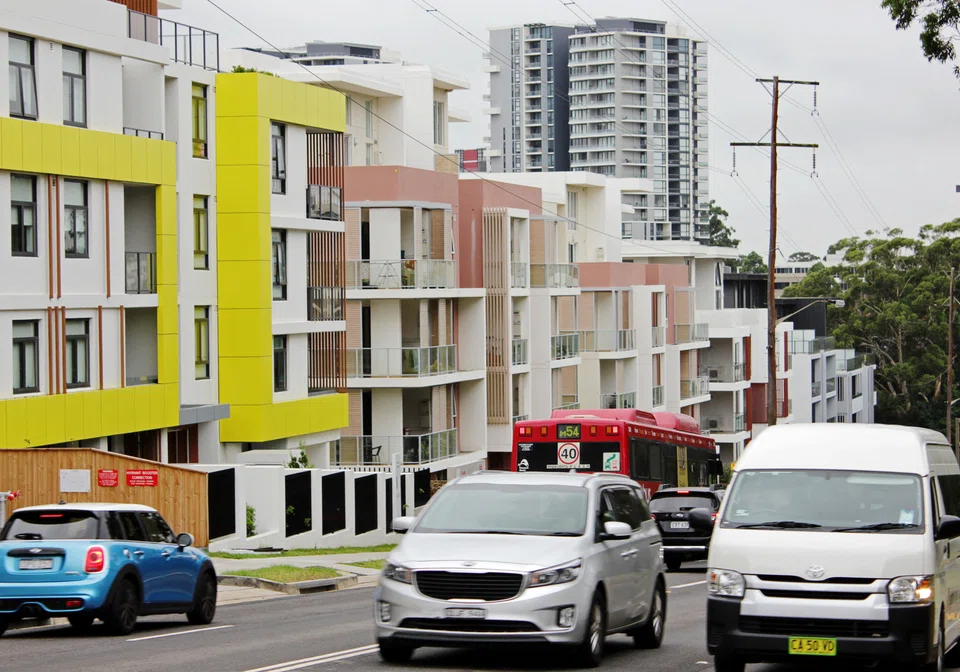
OVERALL home prices in Australia rose for an 18th straight month in July, but three capital cities recorded a decline in a sign that the red-hot rally in the housing market is losing steam.
Figures from property consultant CoreLogic showed prices across the nation climbed 0.5 per cent in July, an increase on unchanged from June. Prices, which have continued to hit record highs since bottoming out early last year, are up 7.6 per cent from a year ago.
The monthly increase was been driven by a 2 per cent jump in Perth and a 1.8 per cent gain in Adelaide, while prices in Melbourne, Darwin and Hobart – three of the eight state and territory capital cities – fell 0.2 to 0.5 per cent.
On a rolling quarterly basis, prices for Melbourne fell 0.9 per cent, while gains for Sydney also slowed to 1.1 per cent, down from 5 per cent in the same period last year.
“While the headline growth rate remains positive, it is clear momentum is leaving the cycle and conditions are becoming more diverse,” said CoreLogic in the release.
The Reserve Bank of Australia has raised interest rates by 425 basis points since May 2022 to tame inflation, but the gains in the real estate market has defied expectations, helped by record immigration and a limited housing supply.


Markets are pricing in a 70 per cent probability of an easing in interest rates by the end of the year after data showed a slowdown in core inflation. REUTERS
Decoding Asia newsletter: your guide to navigating Asia in a new global order. Sign up here to get Decoding Asia newsletter. Delivered to your inbox. Free.
Share with us your feedback on BT's products and services






