

Australia’s home rents surge most in 13 years as crisis worsens
 Add BT as a preferred source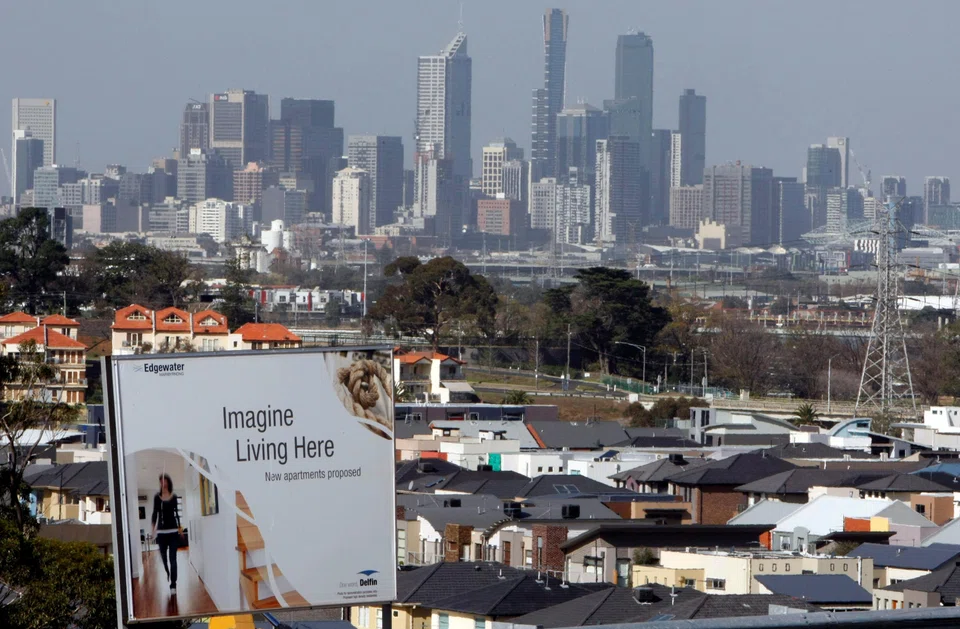
AUSTRALIAN home-rental prices recorded their biggest annual increase since 2010 in the first three months of the year, as a combination of low vacancy rates and rising immigration trigger a housing crunch.
National rents advanced 4.9 per cent from a year earlier, climbing almost a percentage point from the final three months of 2022, Australian Bureau of Statistics data showed on Wednesday (Apr 26).
The lack of new supply is a product of rising interest rates, as well as labour and material shortages that have curbed or slowed building.
In Sydney, local media report scores of people are turning up to inspections of rental properties. Others say tenants are staying in homes that have mould and other problems because they are unable to find alternative accommodation in their price range.
The National Housing Finance and Investment Corporation warned earlier this month that Australia faced a shortfall of more than 100,000 homes over the next five years.
That comes amid resurgent immigration following the reopening of borders and the return of international students.
Australian capital cities need residential construction activity to remain high to ease pressure on the tight rental market, Bloomberg Intelligence said in a report this month.
It said the dynamic of low building approvals due to high mortgage costs and weakening developer confidence was likely to continue until 2024.
“Capital city rents will keep rising through 2023 as vacancy rates approach 1 per cent due to population growth and supply constraints,” the report said.
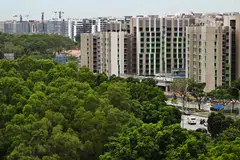

“Apartments face the tightest squeeze from an increasing population, and will likely see rent growth outperform that of detached houses.”
Australia’s centre-left Labor government has sought to make inroads into the problem with its signature Housing Future Fund, a A$10 billion (S$8.8 billion) plan that aims to boost supply through additional grants and loans.
It is currently before the Senate, or upper house, with little prospect of passing as the centre-right opposition fails to engage and minority Greens oppose it.
Greens Party leader Adam Bandt said in a speech on Wednesday that the fund would do little to solve the housing crisis and called for radical action to assist renters via the construction of additional public housing.
At a separate event on Wednesday, Tarun Gupta, chief executive of property development company Stockland, said his firm had previously been building a home in 16 weeks, but due to supply chain and labour constraints, that had now blown out to 32 weeks.
“We are seeing in our business the sharpest, and this is nationally, the sharpest volume correction we’ve seen in modern Australian history,” he warned.
“And that is because we’ve seen the sharpest interest rate rises in modern Australian history,” said Gupta.
Australia’s central bank raised rates by 3.5 percentage points between May 2022 and March as it sought to quell inflation. Policymakers left borrowing costs unchanged at 3.6 per cent this month and meet again on Tuesday. BLOOMBERG
Decoding Asia newsletter: your guide to navigating Asia in a new global order. Sign up here to get Decoding Asia newsletter. Delivered to your inbox. Free.
Share with us your feedback on BT's products and services
TRENDING NOW

Singapore Kitchen CEO, senior manager charged with alleged fraud, falsifying accounts; both to stay in jobs for now

World Cup lull could be investors’ chance to score SGX stocks: DBS
Tumbling stocks, sinking rupiah: ‘Sell Indonesia’ sweeps trading desks as Prabowo tightens grip
HSBC, AIA, Prudential shares slide after report of Hong Kong bank account curbs

