

Australia’s housing crisis set to worsen on Iran war fallout
Surge in oil prices leading to cost spikes of as much as 40% for some materials in the building sector
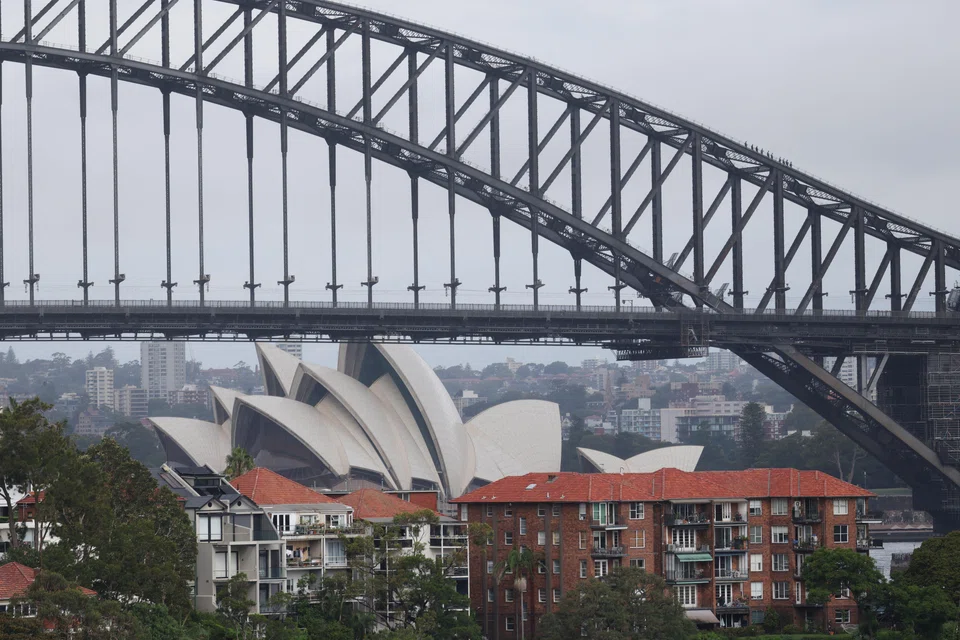
HIGHER construction costs caused by the war in the Middle East could worsen Australia’s ongoing housing crisis and threaten the country’s ability to meet ambitious housing targets, builders and economists have warned.
A surge in oil prices since the start of the US-Iran conflict has resulted in cost spikes of as much as 40 per cent for some materials in the building sector, which is heavily dependent on diesel for fuel.
Construction companies, which typically work on fixed-price contracts, are currently absorbing higher costs for items such as concrete, steel and PVC, said Simon Croft, chief executive for industry and policy at the Housing Industry Association.
House prices and rents in Australia have skyrocketed in recent years, driven by a dearth of housing supply and rapid population growth.
The issues were exacerbated post-Covid-19 by soaring building costs, labour shortages and construction firm failures. Further cost rises are expected to add pressure to the already-stretched market.
At the same time, the federal government has set itself a target of building 1.2 million homes in the five years to July 2029. Completions last year fell short of its annual goal by about 65,000 dwellings.
On a A$300,000 (S$273,446) home construction project, costs have risen A$5,000 to A$7,000 since the start of the conflict in Iran, said Holm Park Builders owner Glenn Mitchell, who operates in Victoria state.
“I’m concerned for the smaller builders who are running on pretty tight margins,” said Mitchell, who also serves as Housing Industry Association president for Victoria. “There’s already builders on the edge, so it’s only going to push more of them in to the ground.”
Costs for imports such as diesel, steel and concrete are all up 30 to 40 per cent, said Matthew Kandelaars, an executive at developer representative group the Property Council of Australia. “What that means is project feasibility, which is already under pressure, is being squeezed even further,” he said.

Products such as cement, ceramics and glass need “substantial volumes of heat to be produced”, said Master Builders Australia CEO Denita Wawn. “Generating heat is much more expensive than before – something which has cost implications for the manufacturers of these products...
“Additionally, petrochemicals are crucial ingredients for products such as PVC, plastics and cabling. These materials are also seeing cost escalations.”
The fresh challenge for the construction sector comes as it is still recovering from a downturn during the Covid-19 pandemic, when it was hit by supply constraints, higher materials costs and labour shortages.
About 3,500 construction businesses went insolvent in 2025, figures from the corporate regulator showed, the highest since records started in 2020.
Margins at some of the country’s biggest residential developers are also being tipped to fall as costs grow.
“Rising construction costs, driven by energy prices and labour demand, are a significant concern,” said Citi Research analyst Suraj Nebhani in a note last week.
He downgraded listed residential developers Stockland and Mirvac Group to a “neutral” rating, pointing to slimmer operating margins from 2027 and beyond. Citi has forecast average cost increases of 6.5 per cent per annum through to 2030.
Interest rates
The outlook for Australia’s housing construction market is further complicated by the inflation and interest rate environment. The Reserve Bank of Australia is expected to hike twice more this year as the Iran war causes inflation to accelerate, which could further curb construction activity.
“Higher rates and inflation shocks from the Iran conflict are likely to weigh on confidence and activity, and curb price growth to 2026,” said Bloomberg Economics’ James McIntyre.
Cooler house price growth could also weigh further on construction levels, with higher prices needed to support dwelling supply, said Patrick Wong and Yan Chi John Wong of Bloomberg Intelligence. BLOOMBERG
Decoding Asia newsletter: your guide to navigating Asia in a new global order. Sign up here to get Decoding Asia newsletter. Delivered to your inbox. Free.
Share with us your feedback on BT's products and services






