Billions in collateral damage: The hidden cost of Australia’s housing slowdown
Falling home sales hit an ecosystem of businesses dependent on transactions
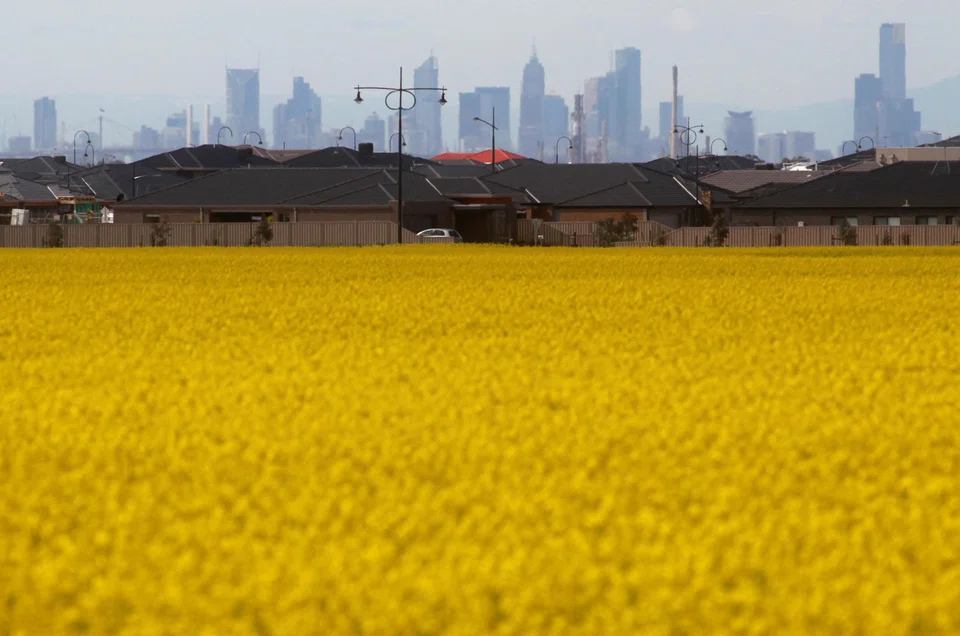
[SYDNEY] This time last year, Sydney property stylist Joanne Cauchi was turning away work, buying new furniture and overseeing home installations almost every day.
Now, her team of three stylists and two removalists handles as few as three jobs a week and has stopped buying inventory altogether.
“Usually springtime, and this time of year in particular, is ridiculously busy,” noted Cauchi. “It is very quiet.”
The abrupt slowdown illustrates how Australia’s housing slump is rippling far beyond real estate agents and mortgage lenders. As higher interest rates and the government’s rollback of key property tax concessions sap demand, a sharp drop in home sales is hitting a vast ecosystem of businesses that rely on properties changing hands, from furniture stylists and landscapers to conveyancers, removalists and painters.
The damage stems less from falling prices than from a sharp drop in turnover. Home prices are down less than 4 per cent from their March peak and remain above year-ago levels, but far fewer homes are changing hands.
A 15 per cent drop in housing turnover since June from a year earlier is stripping an estimated A$355 million to A$710 million (US$253 million to US$505 million) a month from the property-adjacent economy, according to a Reuters analysis of the spending triggered when Australians buy, sell and move into a home.
Even allowing for annual market swings, housing turnover remains 10.5 per cent below its five-year average, data from property consultant Cotality showed.
Reuters calculations suggest that translates into A$2.8 billion to A$5.6 billion less annual spending flowing through businesses that depend on homes changing hands, from furniture retailers and trades people to small conveyancing firms.
The figure pales beside Australia’s A$600 billion-plus annual home sales, but for numerous businesses that depend on housing turnover, it is substantial.

The analysis estimated the cost of the goods and services typically purchased when an average three-bedroom detached home changes hands, based on market price ranges and weighted spending patterns from industry or government data.
“You get this big dollar number of ‘this is how much loss to the economy there is as a result of those lost home purchases’,” said James Graham, a University of Sydney senior lecturer who studies housing economics.
Graham explained that the Reuters methodology was reasonable but noted it excluded the “wealth effect”, where falling home values weigh on spending by denting confidence.
A typical Australian home move triggers spending across a wide range of services, from agents to conveyancers to painters and utility providers, with buyers often also purchasing new furniture and appliances after relocating.
“All the real estate sectors are going to have less income coming in,” Graham added.
Quick hit
Property’s outsized role in Australia’s economy was entrenched by tax incentives introduced over the past quarter century, helping drive Sydney and Melbourne into the ranks of the world’s least affordable housing markets.
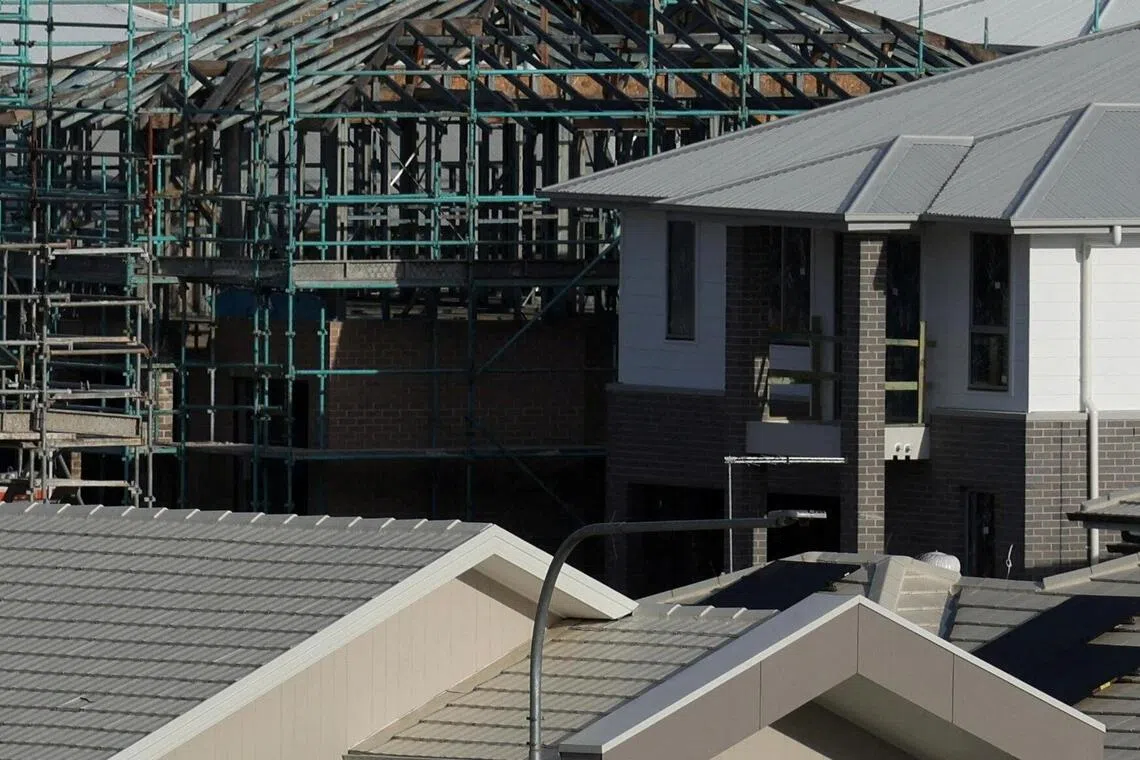
After three interest rate increases since February, the centre-left government took further heat out of the housing market by trimming capital gains tax breaks for existing-home sellers and tightening negative-gearing rules for landlords.
Home sales volumes, which had risen in March, were down 11 per cent in May and 20 per cent in July, according to Cotality.
“It’s the most severe drop we’ve seen since the very start of Covid,” said Russell Cohen, CEO of conveyancing technology platform Pexa, which gets paid when an Australian property sale settles. After growing Australian sales 8 per cent in the year to June, volumes dived 15 per cent in July and stayed there through August, Cohen noted in an interview.
The slowdown is also hurting corporate earnings. Homewares chain Harvey Norman said that franchise profit in its June half fell 15 per cent, reversing growth of 14 per cent in the previous six months, citing “reduced appetite for home-related purchases and renovation activity”.
Exodus
For many businesses, the downturn is already forcing painful choices.
At The Moving Box Company, which supplies new and used freight cartons, four factory-floor workers have left since April after having their hours reduced. Headcount has fallen to nine from 13, leaving managers to take on packing and delivery work themselves.
“That’s practically how we’ve had to manage the situation: by reducing the hours of staff,” said general manager James Wotherspoon, noting sales were down 19 per cent since June year-on-year. “If we can’t give them the hours, I totally respect the fact that they’ve got to find work elsewhere to survive.”
For conveyancers and selling agents, the downturn has coincided with the introduction of anti-money laundering rules in July that require greater customer due diligence, adding compliance costs just as revenue is falling.
“We’re definitely seeing more conversations being had from smaller operators about merging or selling, some retiring out of the industry entirely,” said David Winning, founder of Your Move Conveyancing and director of the Australian Institute of Conveyancers NSW Division.
The Real Estate Institute of Victoria said that 350 of 6,600 agent members planned to cancel their membership, with more than half leaving the profession altogether.
“We could expect to see a very significant exodus of sales agents,” said Jacob Caine, president of the Real Estate Institute of Australia.
Buyers’ agent Zoran Solano said that he was ending his office lease and would work remotely after revenue halved since May. “Everyone is being affected,” he added. “It’s much more widespread than I think people realise.” REUTERS
Decoding Asia newsletter: your guide to navigating Asia in a new global order. Sign up here to get Decoding Asia newsletter. Delivered to your inbox. Free.
Share with us your feedback on BT's products and services