

With brands from Eggslut to Haidilao closing outlets, are odds worsening for Singapore retail operators?
Mall tenants are throwing in the towel across market segments as rents escalate, yet landlords maintain high occupancy amid slow retail sales

[SINGAPORE] A recent rash of retail closures is pointing to worsening woes for operators as rents continued to rise last year, squeezing tenants staring at shrinking domestic consumption.
Yet mall vacancy rates remain low, with landlords able to renew leases or fill spaces – and at higher rents, along with new players keen to move in.
Singapore’s retail and food and beverage (F&B) sales were unexpectedly weak in the last two months of 2024, and several well-known brands, from Eggslut to Haidilao, threw in the towel at various locations.
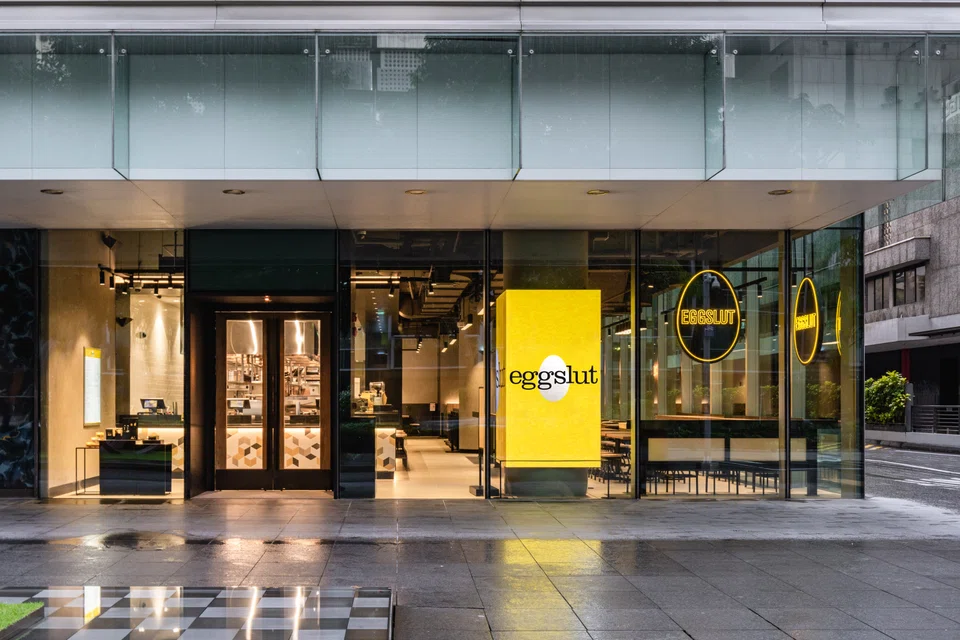
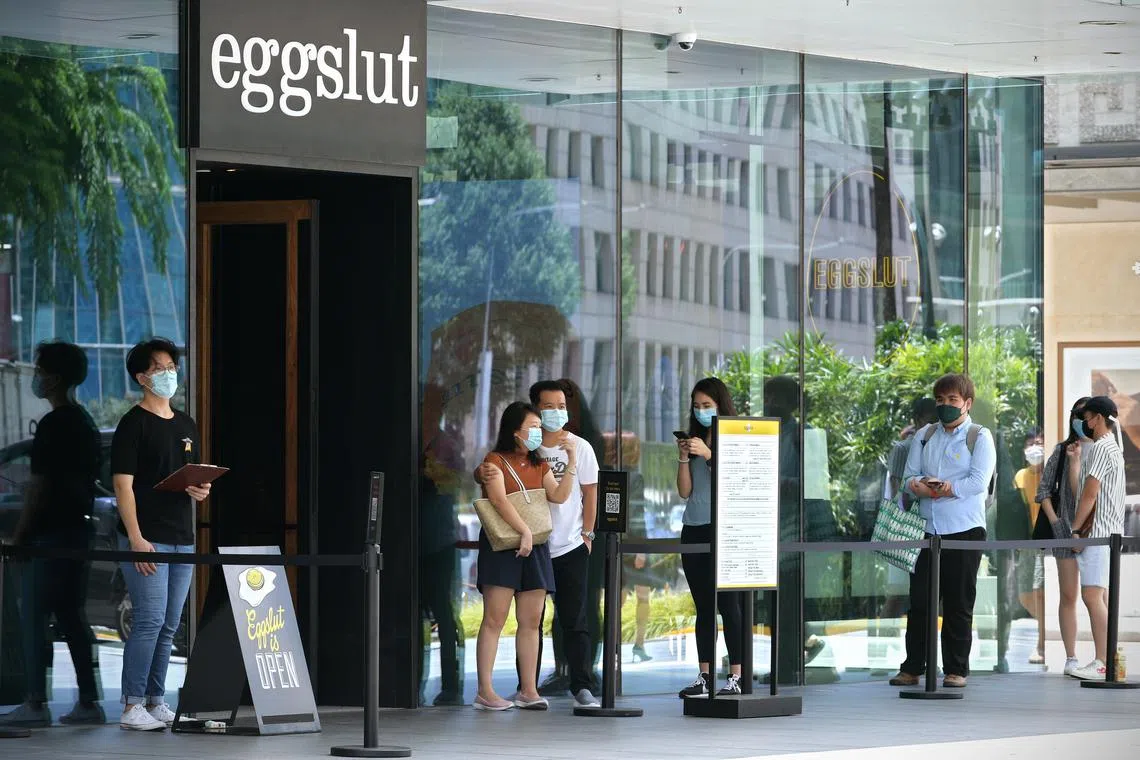
American egg sandwich chain Eggslut shut its store at Scotts Square on Feb 28 after earlier closing a Suntec City outlet in 2024, marking its exit from Singapore. The famed cafe opened in a ground-floor, street-facing corner of the Scotts Road mall, just off the prime Orchard Road retail belt, in 2021.
In the same building, buzzy brunch restaurant Wild Honey closed last April after 13 years in the space.
Wild Honey co-founders Stephanie Hancock and Guy Wachs said the Scotts Square closure was part of a “planned and managed exit”.
“The number of Singaporeans continuing to travel internationally is having a marked effect on domestic spending patterns, which are now more unpredictable than in the past.”
Wild Honey co-founders Stephanie Hancock and Guy Wachs, who closed their restaurant last year
“The number of Singaporeans continuing to travel internationally is having a marked effect on domestic spending patterns, which are now more unpredictable than in the past,” the husband-wife duo told The Business Times.
Market saturation, “with an overload of restaurants, cafes, bars and patisseries”, as well as higher rents and utility costs made the picture “much more challenging and complex”, they added.
“The pressure is being felt by us all at both the top and bottom lines, where operators are being squeezed at both ends, making it exceptionally challenging to manage cash flow and profit.”
Difficult trading conditions are also cutting across diverse market segments.
Upmarket restaurant operator Prive closed two outlets at Jewel Changi Airport and 313 Somerset – its Somerset space was repossessed last month by landlord Lendlease.
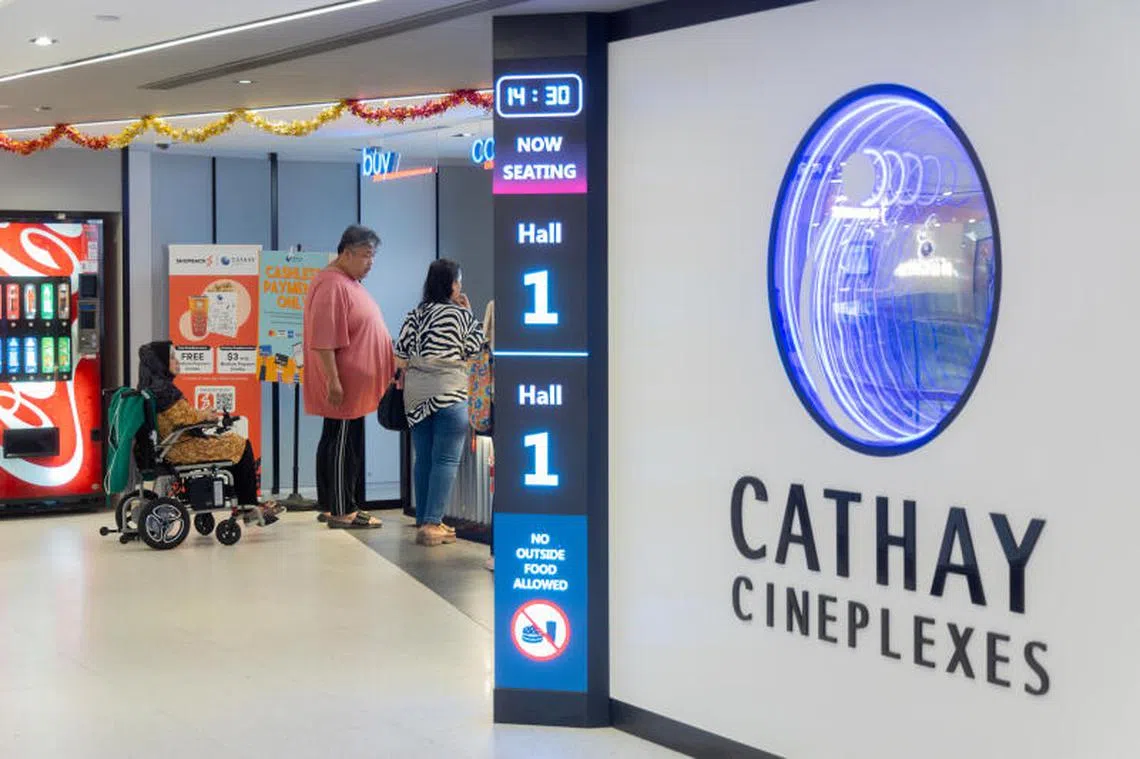
In February, it emerged that cinema chain Cathay Cineplexes owed its landlords, including Frasers Centrepoint Trust, more than S$15 million in unpaid rent between 2020 and 2025. The group said it has paid about S$12 million in rent owed.
“In February, it emerged that cinema chain Cathay Cineplexes owed its landlords more than S$15 million in unpaid rent between 2020 and 2025.”
Popular Chinese hotpot chain Haidilao shuttered three suburban-location restaurants in the last three months – in Bedok, Pasir Ris and Punggol – after a period of rapid expansion.
A Haidilao spokesperson told BT that the brand’s key business considerations include labour costs, outlet locations, and rental costs.
“Singapore has always been an important market for us. Some of our stores are shifting focus as we optimise resources and expand our menu offerings,” she said, adding that the group has launched new concepts such as noodle bar Hi Noodle.
At Jewel, Japanese lifestyle store Hands closed in March, following Chinese fast-fashion retailer Urban Revivo’s exit in February. Modern Japanese restaurant-bar Tanuki Raw will also close its outlet there next month. All had been at the mall since it opened in 2019.
Peranakan culinary doyenne Violet Oon also closed her Jewel outlet to move to the restaurant enclave of Dempsey Hill.
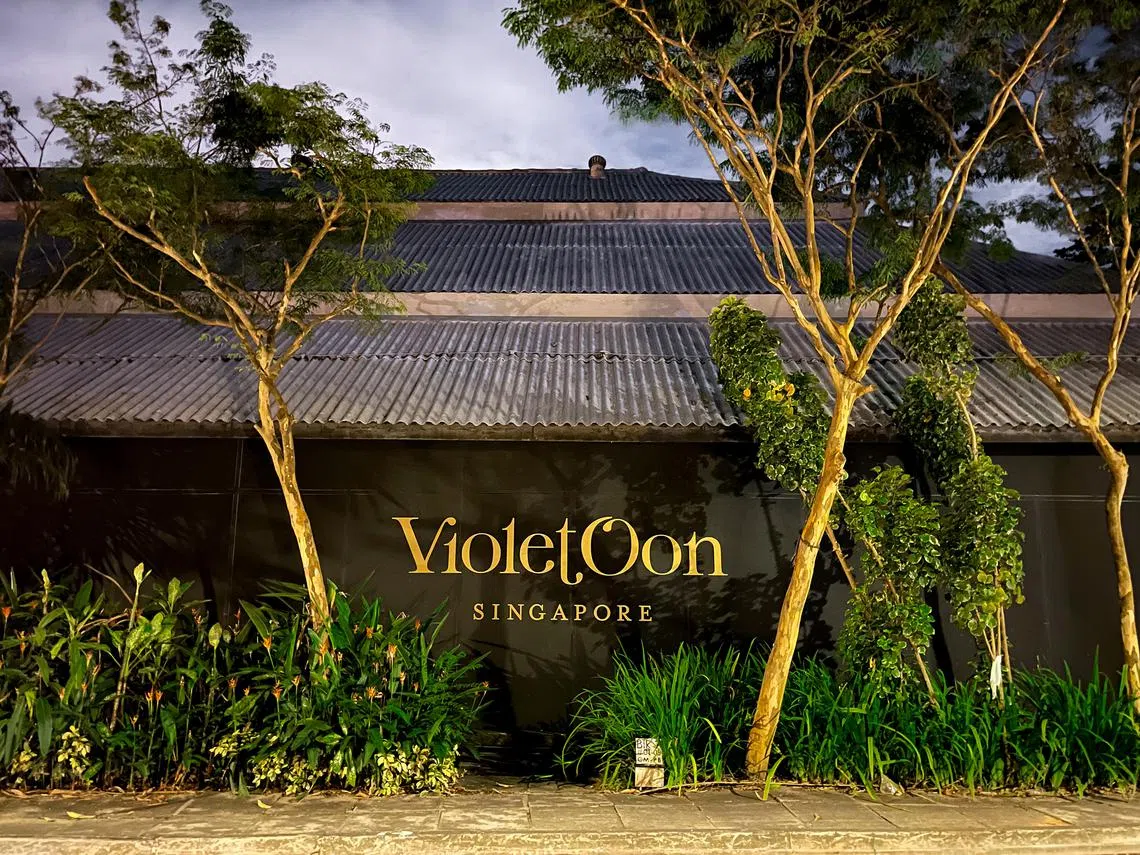
“This new location set amid lush greenery is special to us and is the perfect setting against which we will (bring) our rich Peranakan culinary heritage to life,” said a spokesperson from Violet Oon Singapore.
Rents rise again, vacancy tight after Covid respite
Retail rents are on the rise again, after tenants saw some relief during the Covid-19 pandemic.
Based on Cushman & Wakefield’s basket of retail malls, prime space in the Orchard area averaged S$35.83 per square foot (psf) per month in 2024, up 3 per cent from the previous year, and 10.4 per cent higher than the lowest point in 2021.
Passing rents – accounting for rents across the entire mall – of Orchard area malls rose 2 per cent on-year to S$23.20 psf per month in 2024, Savills data showed.
In suburban locations, including at malls such as Nex and Causeway Point, prime space went for S$32.90 psf per month in 2024, up 2.3 per cent from 2023, according to Cushman & Wakefield.
Post-pandemic, rents recovered faster at top suburban malls, “supported by consistent foot traffic and non-discretionary spending from surrounding residential areas”, said Wong Xian Yang, Cushman & Wakefield’s head of research for Singapore and South-east Asia.
Despite persistent challenges such as the manpower crunch facing retailers, vacancy remains tight.
“Landlords are still able to ask for higher rents when the lease is due for renewal because supply is limited along Orchard Road,” said Alan Cheong, executive director of research and consultancy at Savills Singapore.
“Landlords are still able to ask for higher rents when the lease is due for renewal because supply is limited along Orchard Road.”
Alan Cheong, executive director of research and consultancy at Savills Singapore
In the Republic’s prime retail strip, the vacancy rate fell to 6.3 per cent in the fourth quarter of 2024 – the lowest in four years and bouncing back from a record of 13.9 per cent in Q3 2023. Vacancy rates at prime suburban malls remained low as well, at 4.3 per cent.
The profile of the new tenants moving into vacated retail spaces also reflects changing consumption patterns.
At Jewel, performance running shoe brand On will move into Urban Revivo’s duplex space, while Adidas will take over Hands’ former premises with a new flagship store.
After Times Bookstore moved out of Waterway Point in Punggol, arcade chain Timezone took up the space. Meanwhile, athletic apparel and footwear retailer Foot Locker’s ground-floor unit at Century Square is now occupied by shoe brand Skechers.
China’s biggest lifestyle retail chain, KKV, will make its Singapore debut at Tiong Bahru Plaza in May, moving into Kiddy Palace’s vacated premises. The store, a Gen-Z magnet, will stock snacks and knick-knacks, as well as feature an “instant noodle wall”.
In Scotts Square, Chamoon Hot Pot has taken over Wild Honey’s space, while Korean hair salon Juno Hair has moved into the basement.
At 313 Somerset, Japanese thrift shop giant 2nd Street will replace clothing retailer Pomelo in the basement from April.
Tenants’ loss, landlords’ gain
Larger malls and those managed by real estate investment trusts (Reits) benefit from having a queue of retailers wanting to move into vacated space, said Desmond Sim, chief executive of real estate consultancy ETC.
“That’s why occupancy is quite high, and sometimes the exit of a tenant, who may be high-profile, does not affect them detrimentally since they can fill up the space quite well,” he added.
As some brands exit, others try to make their mark and ride on Singapore’s tourism recovery, said Sim, pointing out that Chinese F&B players such as Chagee and Mixue have been in “hyper-expansion mode”.
Retail-focused Reits posted strong and improved occupancies and higher rents in their latest earnings statements. Analysts were largely positive on their prospects, citing firm leasing demand.
A recent DBS research report also painted a rosy picture of renewed investor interest in Orchard Road’s trophy malls, saying Singapore-listed Reits were poised to benefit.
It cited CapitaLand Investment’s sale of its 50 per cent stake in Ion Orchard to its Reit, CapitaLand Integrated Commercial Trust, and Cuscaden Peak’s bid to privatise Paragon Reit.
But market watchers say that the reality on the ground is mixed.
In explaining why it proposed to take Paragon Reit private, Cuscaden Peak pointed to its trophy asset, Paragon mall, facing increasing competition.
It added that “a persistent slowdown in luxury spending post-pandemic, with international luxury spending at 74 per cent of its 2019 peak, has also weighed on Paragon’s performance”, and said that a major asset enhancement initiative was needed.
Ethan Hsu, head of retail at Knight Frank Singapore, explained that malls directly connected to an MRT station or bus interchange typically see higher foot traffic than those without such links. Crowds are naturally densest at transport hubs and gradually thin out as people disperse, he said.
Real estate news platform Mingtiandi previously reported that Scotts Square has lacked foot traffic from guests at the neighbouring Grand Hyatt hotel, which was closed for renovations for two years. Scotts Square was put up for sale early in 2024, but did not find any takers at its S$450 million asking price.
At Ngee Ann City, a long-time anchor tenant of Takashimaya Shopping Centre – Books Kinokuniya – will be downsizing after negotiations with landlord Toshin Development.
In its nine-month results statement released in December 2024 for the period ended Nov 30, Takashimaya’s Japanese parent said its overseas business was in part “affected by the sluggish domestic demand in Singapore”.
“Consumption remains stagnant amid prolonged inflation, and tourism has yet to return to pre-pandemic levels.”
Takashimaya Japan, on its Singapore store
While Takashimaya Singapore logged gains in operating revenue and profit, the group said the growth was due to foreign exchange impact. “Consumption remains stagnant amid prolonged inflation, and tourism has yet to return to pre-pandemic levels,” it said.
Still, Toshin, which manages more than 370,000 square feet of the space at Ngee Ann City, posted a 41 per cent increase in operating profit, thanks to increased rent income and cost reductions, said the group.
Going Gaga?
Things might look up for retailers this year, with Singapore betting on a strong recovery in tourism, which could lead to spending beating pre-Covid-19 levels to reach a new high.
The Singapore Tourism Board has forecast tourist spending to hit S$29 billion to S$30.5 billion this year, with 17 million to 18.5 million international visitors expected. After last year’s packed line-up of events, the 2025 calendar looks just as busy, with artiste Lady Gaga’s May concerts a highlight and Singapore’s 60th birthday set to generate more events.

Joan Chen, head of retail services at CBRE Singapore, said overall retail sales are generally more dependent on local consumption than on tourist spending.
In the first three quarters of 2024, tourists’ shopping spending made up 12 per cent of total retail sales (excluding motor vehicles). These numbers take in the surge in visitor arrivals attributable to the exclusive six-night performances by musicians Coldplay and Taylor Swift in January and March, respectively, last year.
Despite the huge bump in tourism numbers, retail sales grew just 1.2 per cent in 2024, slower than the 2.3 per cent in 2023.
“Consumption leakage arising from the strength of the Singapore dollar and cautious consumer spending due to inflationary pressure continued to weigh on the retail sales performance,” said JLL in a Q4 report on the retail sector.
Rinse, drain, repeat
Savills’ Cheong expects more churn in mall directories this year. The pace of closures may outstrip that of openings in the future, he noted.
The view that suburban malls are more resilient is increasingly becoming a mere impression, he added.
“With greater outbound travel, changing consumer tastes and high cost of goods, services and F&B, tenants in suburban malls are also feeling the margin squeeze.”
Cinemas, which have been key anchor tenants at suburban malls, are under stress. In February, Cathay Cineplex closed its West Mall outlet just eight months after shuttering its premises at Ang Mo Kio Hub. Shaw Theatres also closed its Seletar Mall outlet last December, after 10 years of operation.
“Tenant attrition is a normal occurrence,” said CBRE’s Chen. “Underperforming tenants will depart, making way for new ones to move in. This drives retailers to innovate and stay ahead of the game.”
TRENDING NOW

First Resources blames El Nino, outside fires for Kalimantan hotspots amid haze scrutiny

High Court rules against Julius Baer’s Singapore trust arm in US$50 million family trust dispute

Singapore key exports jump by higher-than-expected 68.4% in September, led by non-electronics

MSCI proposes downgrading Indonesia to standalone market status

