

Brookfield eyes further Singapore acquisitions after investing close to S$900 million
It is targeting value-add opportunities to generate higher returns through repositioning and active asset management

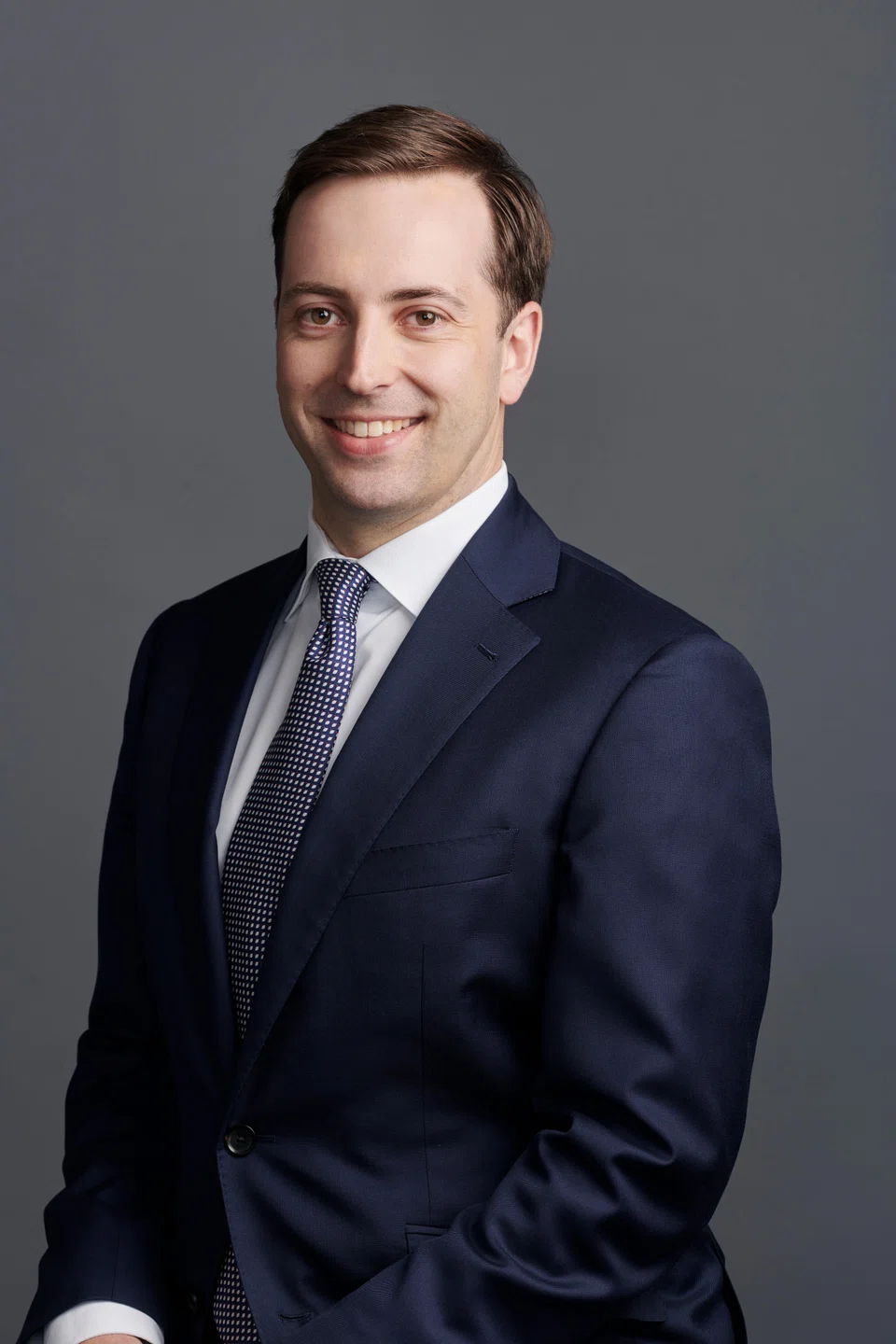
[SINGAPORE] Brookfield Asset Management plans to deepen its Singapore real estate push after investing close to S$900 million over the past year, betting on the city-state’s favourable supply-demand fundamentals and long-term economic growth.
The North American asset manager is targeting value-add opportunities to generate higher returns through repositioning and active asset management. Singapore is expected to contribute meaningfully to its regional growth ambitions.
“Singapore is a critical hub for Brookfield’s regional real estate business, combining strong fundamentals, policy stability, deep capital markets and a strategic location,” said Andrew Burych, managing partner and head of East Asia for Brookfield’s real estate group, in an interview with The Business Times.
Brookfield expects to triple its Asia-Pacific and Middle East assets under management over the medium term. It entered Singapore in 2014, using it as a client hub to support partnerships with investors in its global strategies. A dedicated real estate investment team was established in 2023 before it made its first local acquisition two years later.
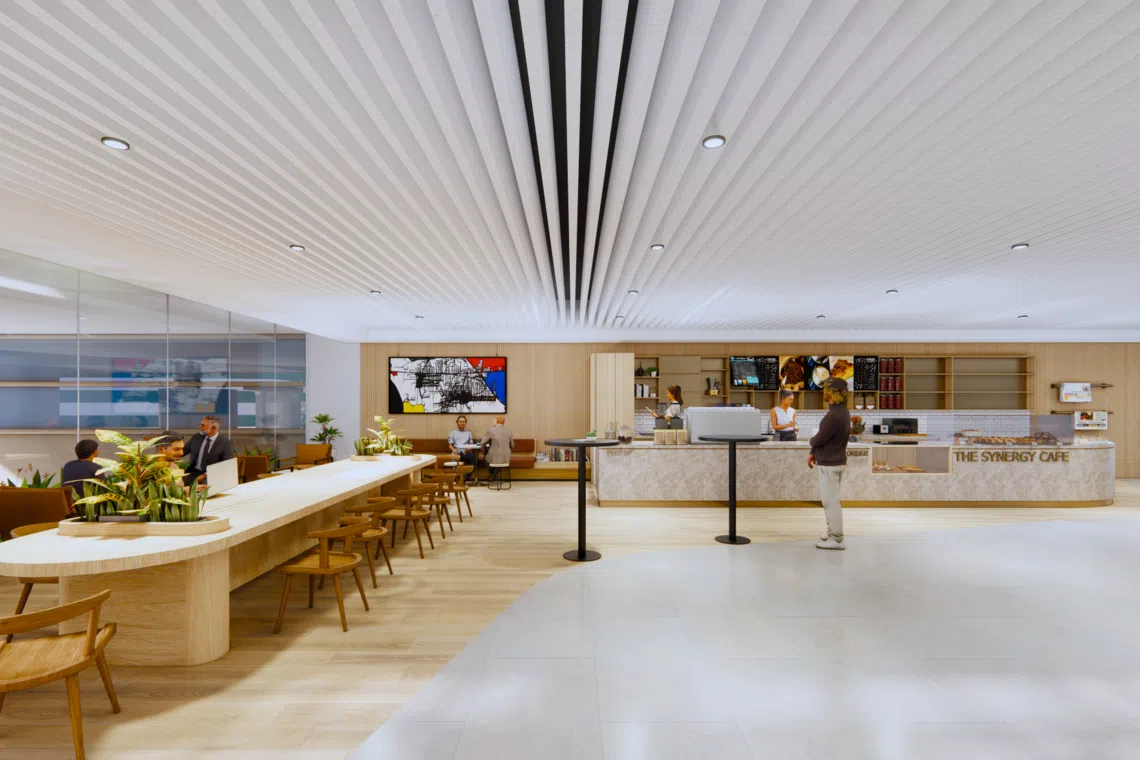
It acquired three assets – The Strategy, The Synergy and the Woodlands Central Cluster – from Mapletree Industrial Trust (MIT) for S$535.3 million.
The properties had average occupancy rates ranging from 71.6 per cent to 95.5 per cent in FY24/25 and about 42 years of remaining land lease tenure.
The firm subsequently snapped up eight industrial and logistics properties from ESR Reit for S$338.1 million. The portfolio has an average remaining land lease of 22.4 years as at end-September 2025, with four assets having 13 years or less remaining.
Explaining Brookfield’s focus on industrial assets, Burych said: “It goes back to the correlation with the economy and economic growth – we still think there’s a runway to grow.”
Since the acquisitions, tenant renewals at the properties have achieved mark-to-market rental uplifts in the high single to low double-digits.
Singapore continues to benefit from the reconfiguration of Asian supply chains and remains an attractive base for multinational corporations despite relatively high business costs, supporting demand for industrial and logistics space. Limited new supply has also underpinned occupancy and rental growth.
While the Johor-Singapore Special Economic Zone may draw some industrial investments across the Causeway due to lower operating costs, Burych reckoned that “it will be net beneficial overall” as higher-value-add activities concentrate in Singapore.
Repositioning assets
Brookfield underwrites its Singapore investments as value-add opportunities, targeting assets where it can unlock value through repositioning, redevelopment and active leasing, Burych said.
Without disclosing the amount earmarked for asset enhancement initiatives, Burych said Brookfield will continue to invest a “meaningful amount of capital” into upgrading the portfolio.
At the former MIT assets, Brookfield is upgrading common areas, enhancing building exteriors and expanding tenant amenities. Tenant feedback has been positive, and the properties are being “leased up ahead of schedule”, Burych said.
For the industrial and logistics assets acquired from ESR Reit, Brookfield plans to intensify the sites, including expanding a ramp-up warehouse by adding more leasable space. Most assets with shorter remaining land leases are expected to be operated until lease expiry, though some could be candidates for redevelopment.
The assets were acquired through Brookfield’s flagship opportunistic real estate strategy, Brookfield Strategic Real Estate Partners V, which closed in May 2025 at around US$16 billion in commitments.
Growing activity
Brookfield expects to continue deploying capital into the market through further acquisitions. “The capital markets have been incredibly supportive. Interest rates have come down, and banking relationships and support in the market are very strong. That’s been a big plus doing business here.”
While the firm does not have acquisition targets tied specifically to Singapore, Burych said a similar pace of investment – close to S$1 billion in transactions here – is “potentially doable for the next few years”.
“We are assessing a healthy pipeline of opportunities in Singapore, and believe a similar pace of investment is potentially achievable, subject to suitable opportunities. That said, we remain highly selective and focused on investments where we believe we can leverage our operational edge to create value.” Rather than relying on third-party operating partners, Brookfield has established a dedicated Singapore real estate operating team. Its in-house operating model enables it to acquire operationally intensive assets and create value through active management.
Close engagement with tenants also gives Brookfield a better understanding of their needs, allowing it to identify improvements and execute business plans that enhance the assets over time.
“When we start building our own operating capabilities, we’ve established that it’s a market we want to be in,” said Burych.
Beyond industrial and logistics, Brookfield sees potential in office properties, where there is limited supply, especially in the Central Business District, and strong rental growth. However, he noted capital values are “very high”, making it “harder to generate returns”.
While it is also evaluating hospitality opportunities, he noted that the sector trades “very tightly” in Singapore, making it harder to build scale.
BT understands that Brookfield intends to recycle capital from its Singapore portfolio over time and continue deploying capital into the market, with potential exit options including individual asset sales, portfolio sales or a real estate investment trust, depending on market conditions and what best serves investors.
On risks, Burych said: “We’ve seen more deal activity in the last 12 months in Singapore, a lot of it driven by low interest rates”.
He added: “The capital markets being supportive of transaction activity is great, but the question is whether people are paying higher prices for assets than the fundamentals suggest. That’s what we’re watching for.”
Brookfield is also monitoring how macroeconomic uncertainty could affect rent growth and capital flows, though Burych said Singapore’s diversified economy should continue to present investment opportunities.
“Once we’ve started to realise capital with a good return and feel like we’ve understood the market, we’ll start to deploy in larger amounts. So hopefully in the next few years we’ll have started to recycle capital, which continues to be reinvested in Singapore.”
TRENDING NOW
DBS, OCBC, UOB rout lops billions off STI as inflation, rate concerns spook investors

Grab CEO’s wife Chloe Tong on life with Anthony Tan and finding her purpose
OCBC sheds S$8 billion in value as shares close nearly 6% down; analysts cautious on banks

Deal between tycoon friends sparks scrutiny of Philippine power sector

