BT Group's new London HQ shows hybrid work is here to stay
Recent poll shows 94 per cent of businesses plan to make physical changes to their workplaces to support workers' post-pandemic needs
 Add BT as a preferred source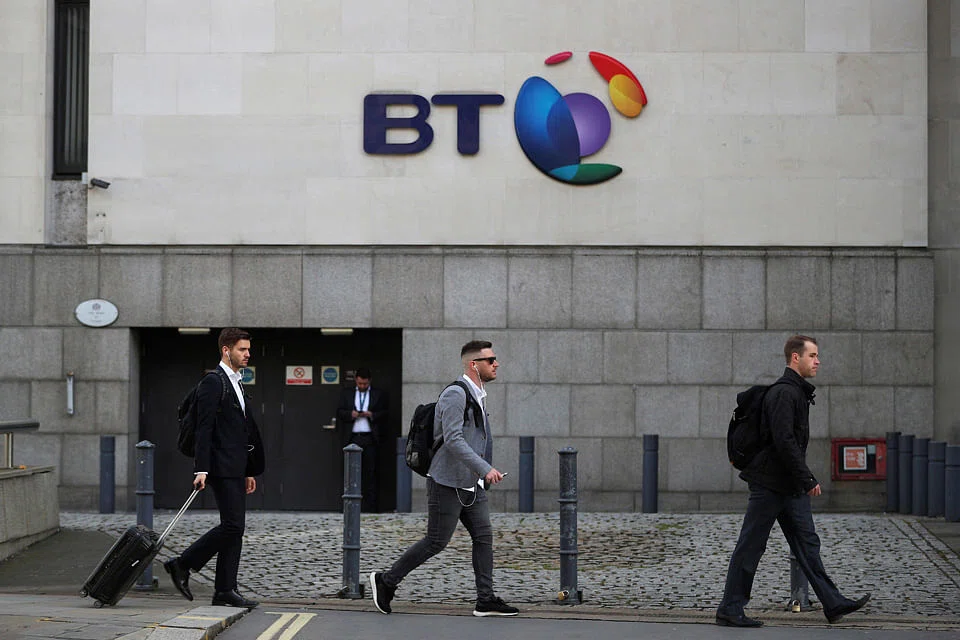
London
A WALK around the new BT Group headquarters in London gives a glimpse into how hybrid working is shaping the offices of the future.
The 3,500-capacity tower, which overlooks the City of London's Aldgate district, will open fully at the end of April. It's part of BT's plan, announced in 2019, to shut hundreds of offices and move staff into 30 high-tech buildings across the UK by the end of 2025.
Inside the London hub, tables are equipped with high-definition screens and cameras, while private meeting rooms host virtual catch-ups between in-person staff and remote workers. A tech bar for laptop repairs is kitted out to support work-from-home enthusiasts as quickly as those in the office.
Sofas, coffee stations and televisions are dotted around each floor. "We want this building to feel like home for staff," said Suzy Wright, senior manager for office strategy at BT.
BT has also opened its coffee shop to the public, with the aim of putting the proceeds towards subsidising food, drink and travel for staff.
The telecom giant isn't the only company shaking up its workplaces. A recent poll by office research firm Leesman found 94 per cent of businesses plan to make physical changes to their workplaces to support workers' post-pandemic needs. The survey of 125 real estate developers found more than 80 per cent had already made alterations.
"We've entered an era where workers want to earn their commute," said Tim Oldman, chief executive officer of Leesman. "Coming back to an office which is the same as 2 years ago is not a success strategy."
On Mar 23, the number of offices open in London hit 96 per cent, according to an analysis by workplace optimisation firm Freespace. However, a recent pullback in sandwich sales across the city's financial districts, driven by poor weather and the start of the Easter holidays, suggests firms are still struggling to fill desks.
BT's new office attempts to blend work and leisure with on-site yoga sessions, choir classes and a continental buffet bar. The firm hopes these quirks will boost office numbers by creating a "fear of missing out" (FOMO) effect among staff.
One mile down the road at UBS Group's London headquarters, FOMO is a familiar term. The Swiss bank, which is currently advising staff to come into the office a minimum of 2 days a week, has been organising events aimed at luring in remote workers. Last week, 90 per cent of UBS staff on the invite list attended a City of London ghost tour. Wayne Tanner, the company's global head of workplace strategy, says this is an example of how fresh incentives can indirectly encourage office attendance.
But at BT, the perks are yet to rouse every worker away from the comfort of their own homes, according to Sue Glew, programme director of BT's workplace improvement plan. So far this year, fewer than two-thirds of staff have been entering the office on a daily basis.
"We've seen the number of people attending the workplace plateau in recent months," Glew said. "Some colleagues would rather use their lunch break to walk their dog, or feel the location isn't right for them." BLOOMBERG
Decoding Asia newsletter: your guide to navigating Asia in a new global order. Sign up here to get Decoding Asia newsletter. Delivered to your inbox. Free.
Share with us your feedback on BT's products and services