

CapitaLand Investment brings new-to-market brands to malls in China, rides ‘emotional consumption’ wave
Keeping its offerings fresh and appealing to consumers’ desire for inexpensive items that bring them comfort helps it to keep pace with the country’s dynamic retail scene

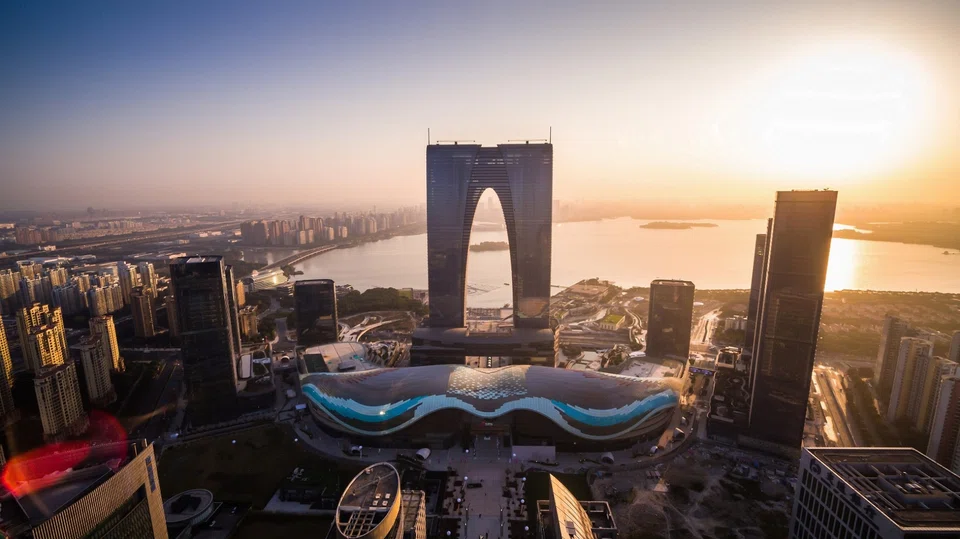
[SHANGHAI] At Raffles City Shanghai, shoppers can find some of the most popular brands in China such as cosmetics brand Judydoll and cult-favourite milk tea chain Ah Ma Handmade.
Alongside these, the CapitaLand Investment (CLI) managed mall is also home to Singapore bags and shoes retailer Charles & Keith and bak kwa maker Bee Cheng Hiang, giving Chinese consumers a flavour of the city-state’s retail offerings.
CLI’s ability to introduce new-to-market brands to the Chinese market is one of the ways it distinguishes its malls in the country’s dynamic retail scene, said Puah Tze Shyang, chief executive officer of CLI (China) in a media interview in September, ahead of CapitaLand Commercial C-Reit’s (CLCR) listing on the Shanghai Stock Exchange on Monday (Sep 29).
The C-Reit’s listing supports CLI’s capital recycling and domestic-for-domestic fund strategy, which leverages onshore capital to expand its funds under management. CLCR focuses on high-quality, income-producing retail assets in China’s top-tier cities, with two malls, CapitaMall SKY+ in Guangzhou and CapitaMall Yuhuating in Changsha in its seed portfolio.
Puah said: “We always set ourselves a target to bring in first-time brands.” As CLI has its home base in Singapore, it can bring local brands to China and vice versa, he added.
For instance, at Suzhou Center Mall, the largest mall in CLI’s portfolio and the biggest in Suzhou, 60 new brands were introduced in the first half of the year, of which 27 were new-to-market. This contributed to a more than 10 per cent growth in both revenue and shopper traffic, with committed occupancy at 96 per cent as at Jun 30.
“As part of CLI’s active asset management strategy, about 30 per cent of our mall’s tenant mix may change each year, whereas a few years ago, the tenant renewal cycle was about every three years. With the dynamic retail scene in China and rapidly evolving consumer preferences, we constantly bring new-to-market retail and dining concepts to attract shoppers to our malls,” Puah said.
The food and beverage (F&B) segment has remained a stabilising force in CLI’s China malls, while demand for some other sectors, such as gold jewellery and education, has been more cyclical.
Puah said: “The F&B component can go up to 30 to 40 per cent (in our malls). They not only drive footfall, but they really are also the reason why people come out.
“In the past, we might have had F&B operators take up 1,000 square metres or 1,500 square metres. These days, we work closely with the operators to optimise their space and manage within smaller spaces while increasing table turnover.”
For instance, the top floor of CapitaLand China Trust’s Rock Square in Guangzhou previously had five restaurants, but is now occupied by around 14 restaurants with a larger mix of cuisines to better serve customers.
“Restaurants are encouraged to do more sittings within the same time frame, and delivery services also contribute to their revenues. We have dedicated food delivery sorting facilities and rest areas for delivery service staff at CLI’s malls in China. This is part of our active asset management strategy to help our tenants respond to the trends and do well,” Puah said.
Another trend CLI has leaned into is China’s “emotional consumption” market, which has seen shoppers flock to inexpensive items which bring them comfort, such as blind boxes and soft toys.
Puah said: “CLI’s strategic focus on experiential retail ensures every visit to our malls is fresh, relevant and engaging. Consumers today seek more than traditional shopping; they value personal well-being, emotional engagement and meaningful experiences.”
Tenants such as Miniso and Pop Mart are commonly found in its malls, which also organise pop-ups involving popular intellectual property characters such as My Melody and Kuromi.
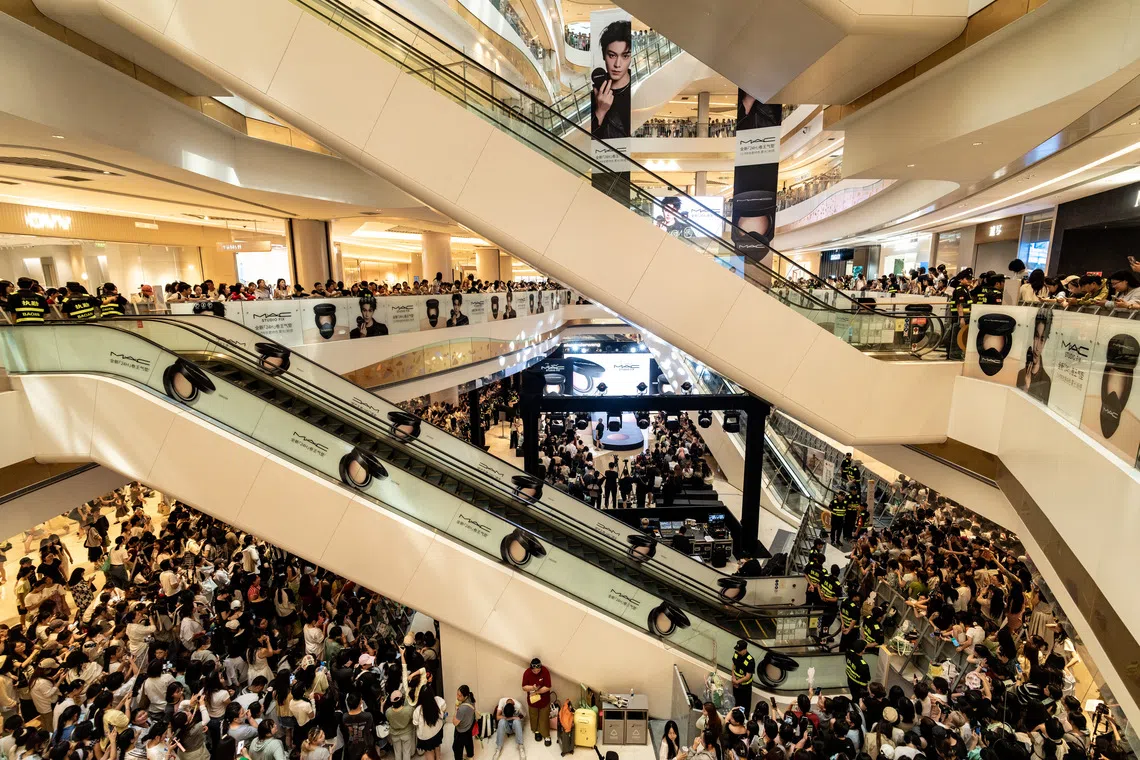
Celebrity meet-and-greets are also held occasionally, with Suzhou Center Mall’s latest collaboration involving Chinese actor Ding Yuxi and make-up brand MAC in July.
Puah said: “These unique activities create touchpoints that go beyond traditional retail, deepening engagement with our shoppers, encouraging repeat visits and enhancing the dynamism of our malls.”
According to the latest available official data, retail sales in China rose 3.4 per cent in August, moderating from the 3.7 per cent increase in July. For the first half of the year, retail sales were up 5 per cent year on year.
“Domestic consumption is growing, but shoppers are cautious given the current macroeconomic environment. As our malls cater to the everyday needs of the local community, our retail assets remain resilient,” Puah said.






