
Budget 2026: ‘Carrots and sticks’ needed in new rules on funding of ageing condo upgrades
Potential changes to the Building (Strata Management) Act include lowering voting thresholds for essential works
 Add BT as a preferred source
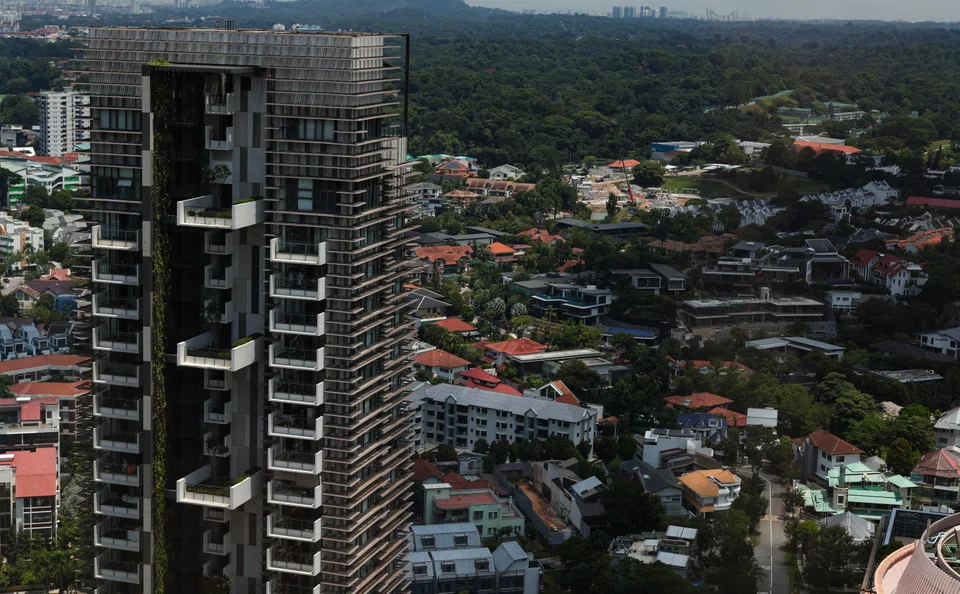
[SINGAPORE] The government is reviewing regulations to ensure that ageing private condominiums are able to fund and support maintenance costs and accessibility upgrades.
Co-funding for upgrading works, ensuring “adequate” sinking funds for repairs and improvements, and lower consensus thresholds for approval of essential upgrades are on the agenda, along with limits to prevent the “gaming of voting systems” which can derail decisions.
Speaking at the Ministry of National Development’s Committee of Supply debate on Wednesday (Mar 4), National Development Minister Chee Hong Tat noted that many private estate residents have shared their concerns about rising maintenance costs and ageing facilities, especially in older estates.
“We are looking into how the government can provide some co-funding support for our private estate in key upgrading works, particularly where it concerns safety and liveability,” he said. “It will require a combination of carrots and sticks.”
Second Minister for National Development Indranee Rajah told Parliament the Building and Construction Authority (BCA) is reviewing the Building (Strata Management) Act, with a key area being the maintenance of “adequate” sinking funds.
These are funds used by a condo’s Management Corporation Strata Title (MCST) to pay for major repairs and improvement works.

“Today, many MCSTs only start collecting funds for lift replacement when the ageing lifts start to experience wear and tear and parts become obsolete,” she said.
“If the MCSTs do not have sufficient sinking funds, they will need to collect special levies from unit owners, which may not be an insignificant sum, and for which the owners may not be prepared. This can be avoided if the MCSTs start building up the funds earlier.”
Over 1,000 of Singapore’s 3,750 strata developments are at least 30 years old, according to BCA.
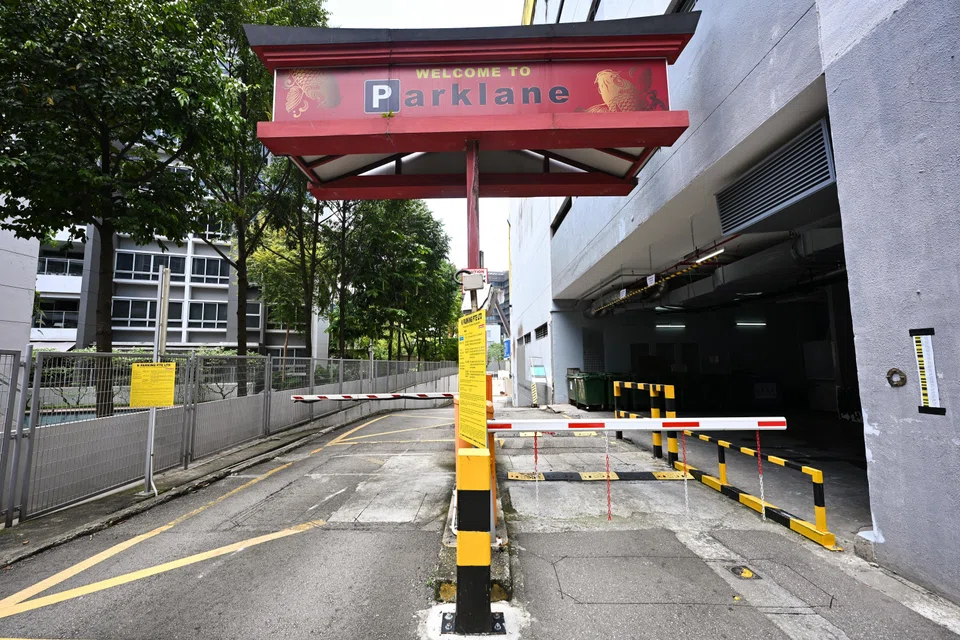
Proposed amendments to the Act include requiring MCSTs to submit information such as financial statements and facilities record to BCA.
The agency may also consider making key financial information about the MCST available to the public.
“This would make it easier for unit owners and prospective buyers to understand and track the financial health and sinking fund adequacy of the MCSTs,” said Indranee.
To prevent the “gaming of voting systems”, the review will also look at limiting the percentage of total proxies that can be held by each household.
Another proposal is to lower consensus thresholds for approval of essential upgrades in strata developments, such as works to key facilities, the addition of senior-friendly fittings in common areas and outside units, and the installation of solar panels.
Currently, MCSTs require a 90 per cent consensus for special resolutions if improvement works in a unit results in an increase in the total gross floor area of the estate. The threshold is 75 per cent for special resolutions, such as providing additional facilities or making improvements to the common areas. Ordinary resolutions – such as removing a council member and appointing a managing agent – require a simple majority.
“These changes aim to make estate management fairer and more efficient,” said Indranee.
The draft amendments will be put up for public consultation from Mar 9 to Apr 8.
The Accessibility Fund, launched in 2007, is also under review to help provide inclusive infrastructure.
This includes widening the range of eligible features to cover active ageing and dementia-friendly features, such as fitness stations and signages; expanding eligibility so more condos can tap the fund; and improving co-funding support.
At present, private buildings completed before 1990 can draw on the fund for both accessibility and universal design features, while those built between 1990 and 2013 are eligible for only universal design features.
The BCA-managed fund currently co-funds up to 80 per cent of the construction cost for accessibility amenities such as wheelchair-accessible lifts and ramps, and up to 60 per cent of construction cost for universal design features that benefit seniors and families with young children.
As at December 2025, 161 private building owners have tapped the Accessibility Fund to upgrade their buildings.
Decoding Asia newsletter: your guide to navigating Asia in a new global order. Sign up here to get Decoding Asia newsletter. Delivered to your inbox. Free.
Copyright SPH Media. All rights reserved.

