

China cracks down on fake divorces that let people buy more properties
 Add BT as a preferred source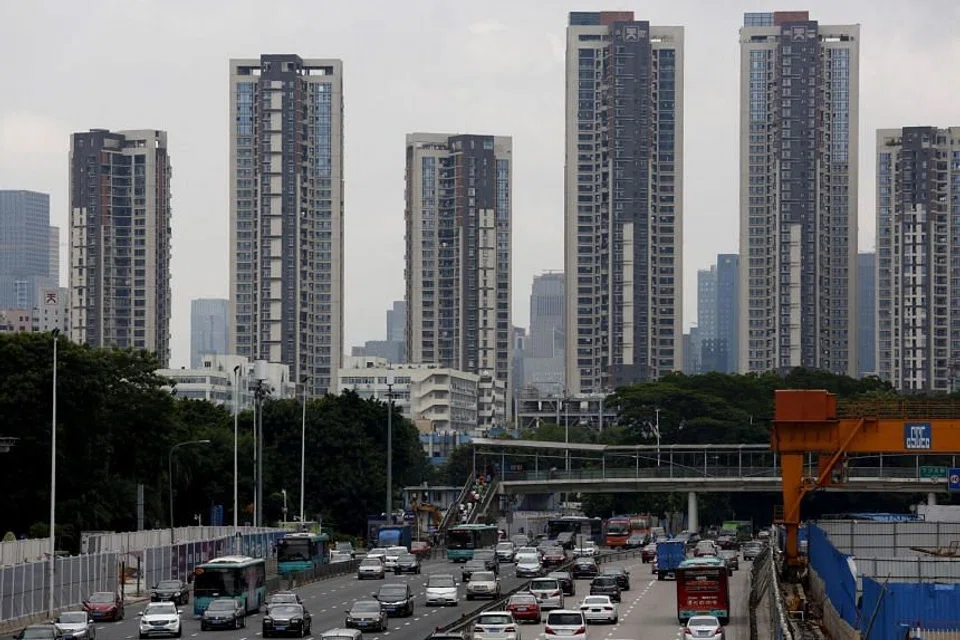
DeeperDive is a beta AI feature. Refer to full articles for the facts.
[BEIJING] A resurgence in real estate prices in Shanghai and Shenzhen has prompted the authorities to rein in speculation, in line with the Chinese government's resolve to keep the property market in check.
Shanghai officials unveiled policies late Thursday to cool the local market, including a measure designed to plug a loophole long exploited by buyers using fake divorces to become eligible to purchase more properties or obtain mortgages. The city will also levy a tax on sales of houses purchased within five years, up from the previous two-year barrier.
This is "aimed at resolutely enforcing the decisions of the central committee of the Party" and "firmly upholding the policy stance that 'houses are for inhabiting, not for speculation'", the Shanghai municipal government said in a statement, referring to President Xi Jinping's vow first made in 2017 to boost housing affordability.
With the new policy, Shanghai follows big cities including Shenzhen and Hangzhou to crack down on housing speculation via fake divorces since 2018, said Pan Hao, a property analyst at KE Holdings.
As most Chinese cities limit home-buying demand by capping the number of properties a family can own, divorce becomes a way to bypass the restriction. In Shanghai, local families are allowed to own two homes. Under the new rule, the number of homes owned by people who have been divorced for less than three years will be counted based on the total they had when they were still married.
SHENZHEN MOVES
Navigate Asia in
a new global order
Get the insights delivered to your inbox.
The government of the southern boomtown of Shenzhen also moved to tighten home-purchase rules this month, according to local media reports. With the cost of an apartment equal to 43.5 times a resident's average annual salary, Shenzhen's housing affordability is little better than Hong Kong, the worst among 80 megacities, according to E-House (China) Enterprise Holdings, a real estate firm.
Chinese authorities are determined to control housing risks after monetary easing spurred a rebound in the residential market. The central bank capped loans for the real estate sector earlier this month for the first time.
Existing-home prices of certain popular projects in Shanghai surged more than 30 per cent last year, according to China Real Estate Information Corp. Sales of existing homes in the city almost doubled last month from a year earlier, based on square-metre volume, according to KE Holdings.
The new rules in Shanghai add to the tightening of city's already strict home-buying requirements. In 2016, it raised the down-payment threshold to as high as 70 per cent of a residential property's value to cool demand.
BLOOMBERG
Decoding Asia newsletter: your guide to navigating Asia in a new global order. Sign up here to get Decoding Asia newsletter. Delivered to your inbox. Free.
Share with us your feedback on BT's products and services
TRENDING NOW
‘Boring’ is the new black: The stars are aligning for a Singapore stock market revival
Near sell-out launches in March boost developer sales to 1,300 units after four slow months
China pips the US if Asean is forced to choose, but analysts warn against reading it like a sports result

Genting Singapore’s Lim Kok Thay receives S$7.5 million pay package for FY2025

