

China gives high priority to property tax that may rein in market
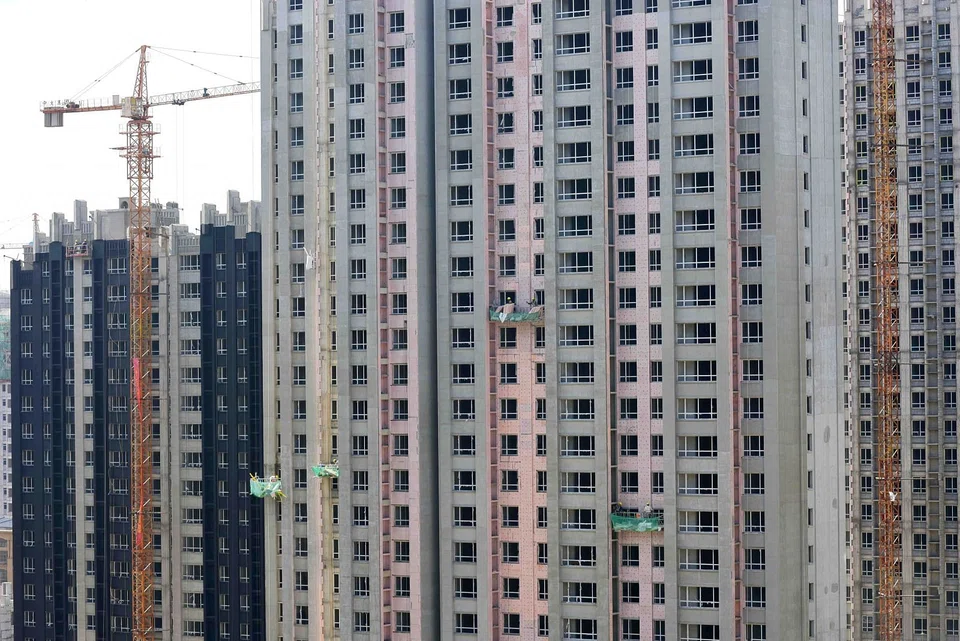
Shanghai
CHINA'S legislature said it is giving high priority to a property tax that would be one of the biggest moves yet to rein in a runaway market.
The Standing Committee of the National People's Congress listed the tax as one of 69 levies to have top priority in a five-year agenda, the Communist Party's mouthpiece People's Daily reported on Saturday. Enacting the real estate tax is "crucial", a committee official reportedly said.
The commitment adds to a drumbeat of statements from officials on the urgency and importance of pressing ahead with a levy that was tested out as long ago as 2011 in Shanghai and Chongqing. A national tax on home ownership has been seen as a key way of cooling speculation - but also potentially risky for the blow to market sentiment.
"The government in this term is much more determined on the property tax," said Xia Dan, a property analyst at Bank of Communications Co. "Just think of how many signals have been sent by officials on various formal occasions."
China will likely pass legislation before the end of 2019, Wang Tao, head of China economic research at UBS Group AG in Hong Kong, wrote in January. Since President Xi Jinping began a second five-year term this year, government efforts to prepare for a levy have included starting a national platform to register property ownership information.
The nation's wild residential market seems barely under control even after a relentless flow of curbs over more than two years and a big drive to promote rental housing. In April, the head of the central bank's research bureau, Xu Zhong, called for an acceleration of property tax reform. In July, a statistics bureau official said that China may expedite legislation for a levy. BLOOMBERG
Share with us your feedback on BT's products and services
TRENDING NOW

He built the Vingroup empire. Now South-east Asia’s richest man is handing some key roles to his sons
China’s Pinglu Canal likely to benefit Singapore, other South-east Asia ports in the long term
Suntec Reit to increase Singapore focus, sell three Australia properties

Despite the de-dollarisation debate, demand for dollar liquidity in Asia is growing

