

China home sales slump persists as calls grow for more stimulus
Demand for new homes in cities is expected to stay at 75% below its 2017 peak in the coming years
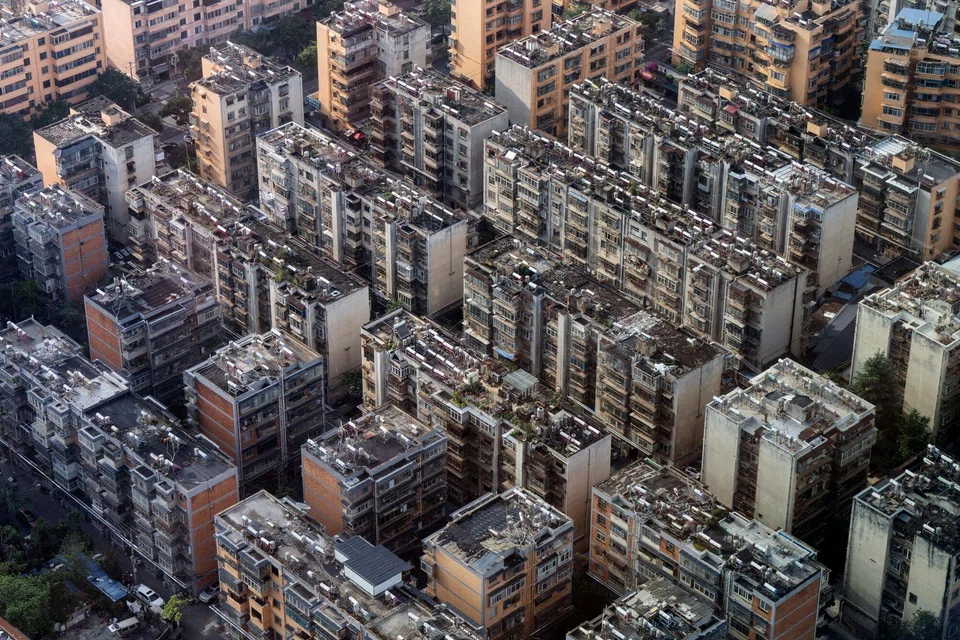
[BEIJING] China’s home sales extended their slump in June, putting further strain on the economy and underscoring the impetus for fresh support measures.
The value of new-home sales from the 100 largest property companies stood at 339 billion yuan (S$60.3 billion), the latest preliminary data from China Real Estate Information Corp (CRIC) on Monday (Jun 30) showed. That represents a 23 per cent fall from a year ago, according to Bloomberg calculations. June’s sales follows an 8.6 per cent decline in May. On a monthly basis, however, the latest sales were up 14.7 per cent from May, CRIC said.
China’s housing downturn has dragged on for four years, as the effects of a stimulus blitz last September wear off. Premier Li Qiang this month pledged more action to revive the market, which analysts say is necessary to boost consumption and offset the threat to exports from US tariffs.
“More support will be needed, but we don’t expect a big shift in approach” to housing, Duncan Wrigley, chief China economist with Pantheon Macroeconomics, wrote in a report last week. “China is resigned to a slow recovery.”
Even if China’s housing market picks up, the long-term outlook remains grim. Demand for new homes in cities is expected to stay at 75 per cent below its 2017 peak in the coming years, due in part to a shrinking population, Goldman Sachs Group estimated. BLOOMBERG
Decoding Asia newsletter: your guide to navigating Asia in a new global order. Sign up here to get Decoding Asia newsletter. Delivered to your inbox. Free.
Share with us your feedback on BT's products and services
TRENDING NOW

Government to bring forward raising of retirement age, give employers more financial support to create flexi-load jobs

If Europe goes to war, the fallout will be felt in East Asia

Indonesia stocks suffer worst plunge in nearly 30 years as MSCI proposes standalone status

Vietnam’s northern provinces, not Hanoi or Ho Chi Minh City, are powering near 10% GDP growth

