

China households could cut property assets in 127 trillion yuan shift
CHINA’S households are expected to shift 127 trillion yuan (S$25.5 trillion) into financial products over the next 9 years, an opportunity ripe for financial institutions as the country’s property sector sours, brokerage CLSA said.
The share of Chinese household assets allocated to property will fall to 26 per cent by 2030 from 37 per cent in 2021, according to estimates from Hans Fan, the head of China financial research at CLSA. In contrast, the share of money allocated to investments such as mutual funds, wealth management products and insurance will grow to 21 per cent from 13 per cent in the same period.
In the coming years, “a huge pie of new money will go towards professional managed products. What this means for financial institutions is that the household balance sheet is a goldmine,” Fan said on Thursday (Sep 15) at the CITIC CLSA Flagship Investors’ Forum.
The shift would signal a sea change from decades of Chinese consumers putting their money into real estate as the surest way to grow their wealth. It would underscore both the longer-term impact of China’s housing downturn and the potential that lies in China’s nascent financial sector - a market estimated to be worth around US$57 trillion.
Revenue from household assets at financial institutions could more than double to 2.1 billion yuan by 2030, Fan said. Mutual funds and fintech companies are expected to grow their market share as more money shifts to financial products.
“In the past 10 years, financial institutions have mainly explored revenue from the household liabilities side with lending to them,” he said. “In the future, revenue from the household asset side - meaning providing wealth management services, earning fees – will become a new driver for financial institutions.”
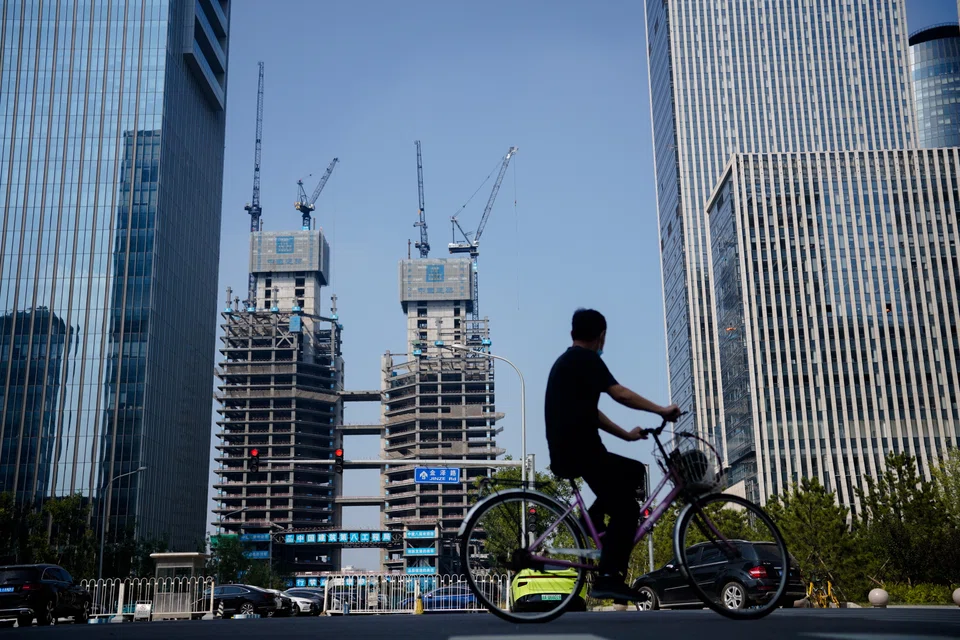
In the past year, China’s property sector, which had been a red-hot growth engine, has been beset by challenges as highly indebted developers paused construction projects and the country’s strict Covid Zero policy dented economic activity.
China’s new-home sale prices have fallen for 12 months straight, most recently dipping 0.29 per cent in August from July. Tensions are high over a simmering mortgage boycott in recent months by homebuyers who are waiting for cash-strapped developers to complete delayed projects. BLOOMBERG
Decoding Asia newsletter: your guide to navigating Asia in a new global order. Sign up here to get Decoding Asia newsletter. Delivered to your inbox. Free.
Share with us your feedback on BT's products and services
TRENDING NOW

Britain’s mansion tax shows the difficulty of targeting wealth

Once staunchly pro-China, Malaysian Chinese businesses are now distancing themselves from Beijing

The only common thing in S-E Asia is that we all eat rice: Cisco’s Asean president

Singapore data centre operator DayOne opts for US IPO at likely US$20 billion valuation

