
China mulls mortgage easing to spur home purchases in big cities
 Add BT as a preferred source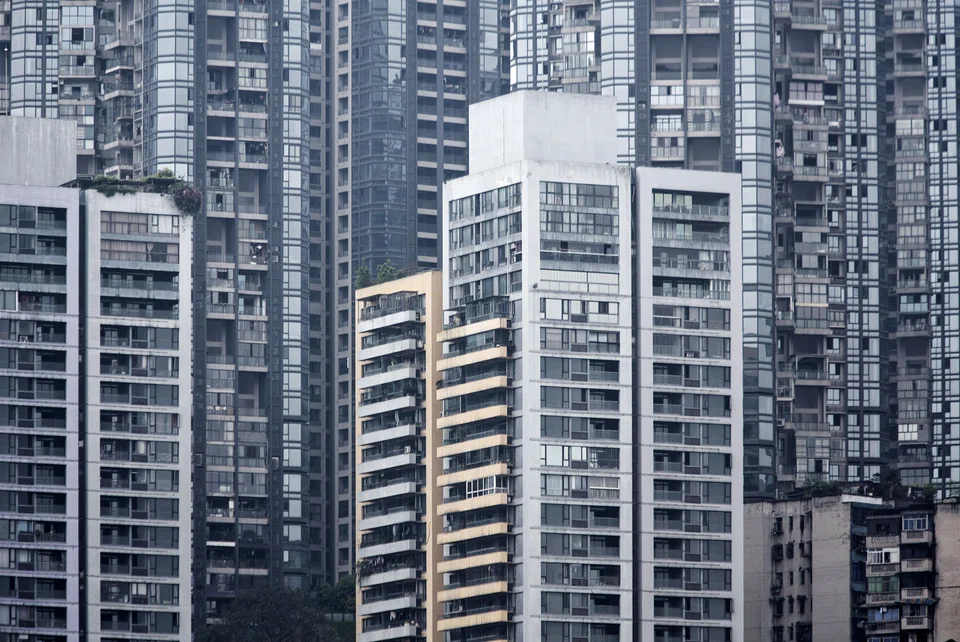
CHINESE authorities are considering easing homebuying restrictions in the nation’s biggest cities, potentially removing a hurdle that has curbed demand in Beijing and Shanghai for years, according to people familiar with the matter.
Regulators are weighing scrapping rules that disqualify people who have ever had a mortgage – even if fully repaid – from being considered a first-time homebuyer in major cities, said the people, asking not to be identified discussing a private matter. Currently, homebuyers with a mortgage record who do not own a property are still subject to the higher down payment and more restrictive borrowing limits applied to those buying a second home.
Some state banks have submitted relevant mortgage data and feedback to the regulators over the past months, one of the people said. The plans are under discussion and have yet to be approved, they added.
China’s existing policies have failed to sustain a rebound in the property market as price slumps extend across the nation, putting the government’s 5 per cent economic growth target at risk. Gross domestic product figures released on Monday (Jul 17) showed the recovery lost momentum in the second quarter, intensifying calls for more stimulus.
“In a normal market, such loosening is likely to lift the sentiment immediately, but it’s not a normal market now,” said Raymond Cheng, head of China and Hong Kong research at CGS-CIMB Securities. More easing measures are needed, such as reducing mortgage rates which are much higher in top cities, he added.
Policymakers have so far been cautious about rolling out broad support, instead relying on targeted measures to boost household spending, such as extending tax exemptions on electric car purchases. The government also took a step towards supporting the ailing property market by extending loan relief for developers this month, adding to a slew of measures in a sweeping 16-point rescue package last year.
Navigate Asia in
a new global order
Get the insights delivered to your inbox.
While many local governments in smaller cities have eased or even reversed homebuying restrictions over the past year, the official stance towards megacities has remained unchanged.
The central bank and the housing ministry did not immediately respond to requests seeking comment.
Investors are counting on the meeting of the Communist Party’s Politburo this month to provide clues about policy thinking, after recent comments from the central bank raised hope that more measures are in the cards.
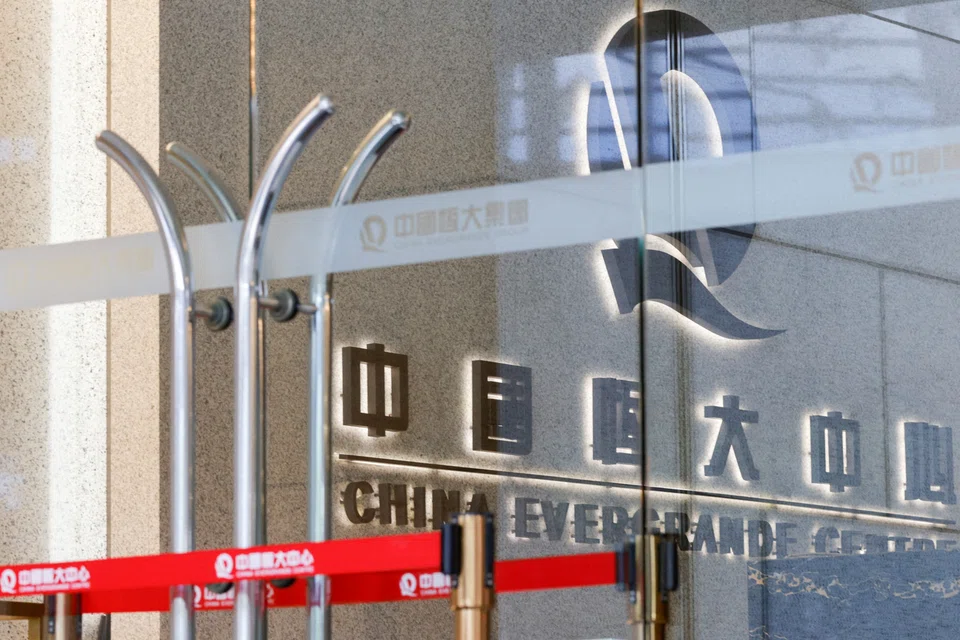
Zou Lan, head of the monetary policy department at the People’s Bank of China, said last Friday that real estate policies will be “tailored” to cities, and the policies that were rolled out when the market was overheated can be “optimised marginally”.
For years, China has sought to suppress real estate demand in the biggest cities by treating buyers with previous mortgages as second-time purchasers, substantially raising down payment thresholds and increasing borrowing costs. In the capital of Beijing, a second-time buyer needs to come up with a down payment of as much as 80 per cent of the property’s value. The down payment is just 40 per cent for first-time buyers.
The change, if approved, will enable buyers who have sold their properties to enjoy the lower down payment, despite their mortgage records. However, whether it can spur a quick transaction rebound depends on the scope of implementation, according to CGS-CIMB’s Cheng.
Some top cities have already marginally eased restrictions in suburban areas. In October last year, Shanghai lowered buying thresholds in Lingang, an area about 75 kilometres away from the city centre. In April, Beijing planned to start a trial to allow families with more than one child to buy more homes in Fangshan, a south-western district on the outskirts.
The government also plans to shore up investments through urban redevelopment projects, aimed at refurbishing run-down areas.
China’s housing ministry called for more redevelopment projects this week, saying the focus would be on building lifts in run-down apartments. BLOOMBERG
Decoding Asia newsletter: your guide to navigating Asia in a new global order. Sign up here to get Decoding Asia newsletter. Delivered to your inbox. Free.
Share with us your feedback on BT's products and services

