China property crisis sees new casualty with Languang delisting
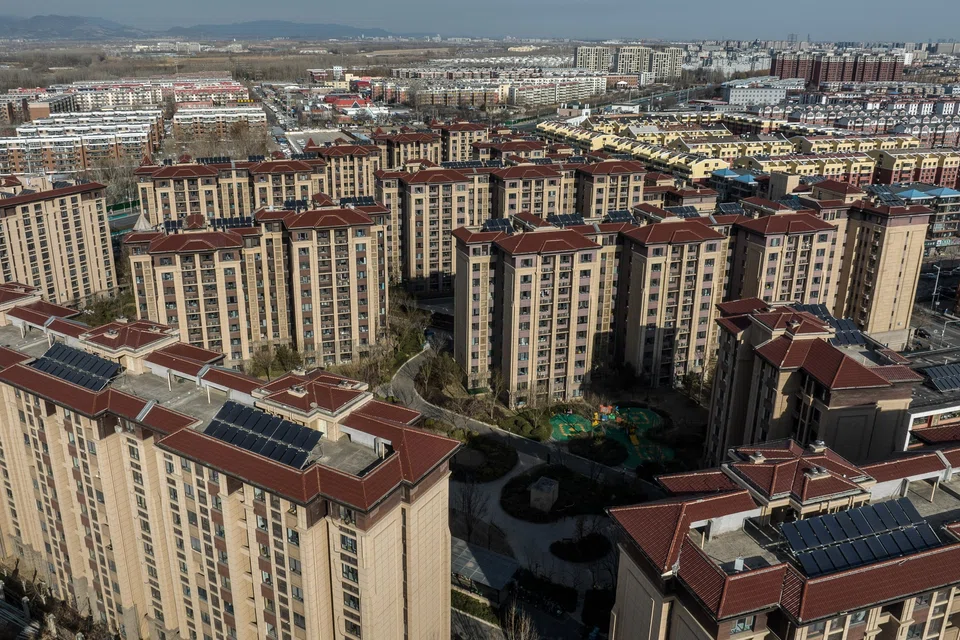
A DISTRESSED Chinese property developer is likely to delist from the country’s stock exchange, sending a fresh reminder the nation’s weaker builders are still struggling to survive.
Sichuan Languang Development, a private builder of residential buildings and offices in the southwest city of Chengdu, said in a filing it’s triggered a delisting situation after its Shanghai-listed shares traded below one yuan each for 20 consecutive sessions. The company’s shares will suspend trading starting on Wednesday (May 10) and the Shanghai Stock Exchange will make the final decision regarding delisting its shares within 15 trading days, the filing said.
Languang would be the first Chinese property developer to be delisted from the onshore stock exchanges since CRED Holdings and Lvjing Holding were removed last June, according to data compiled by Bloomberg.
The threat of Languang’s delisting underscores the challenges facing the country’s weaker developers in gaining access to funds after a two-year crackdown by the government authorities. Investors have little faith in the recovery and debt restructuring of smaller private developers and have shied away from putting money into their equity and bonds.
“Any developer’s delisting is set to fan fears about the potential spread within the sector,” said Kristy Hung, an analyst at Bloomberg Intelligence in Hong Kong. A delisting would hurt the debt-restructuring process as the debt-to-equity swap options in such proposals might no longer be meaningful if it’s for shares that are unlisted and illiquid, she said.
Languang was among the first wave of Chinese property developers to default in 2021. The company has retrenched more than 90% of its workforce since early 2021, and reported a loss of about US$3.6 billion for the past year.
“The China property sector is highly bifurcated and we expect only the large state-linked and very strong owned privately-owned players to survive,” said Zerlina Zeng, an analyst at CreditSights. “The sector is slowly recovering but it will be bumpy with home-buyers’ sentiment still fragile and funding conditions tight for most developers.”
Chinese stock exchanges have already issued delisting warnings to a number of property developers including Oceanwide Holdings and Sundy Land Investment. BLOOMBERG
Decoding Asia newsletter: your guide to navigating Asia in a new global order. Sign up here to get Decoding Asia newsletter. Delivered to your inbox. Free.
Share with us your feedback on BT's products and services