China ramps up property support with US$56b in new funding
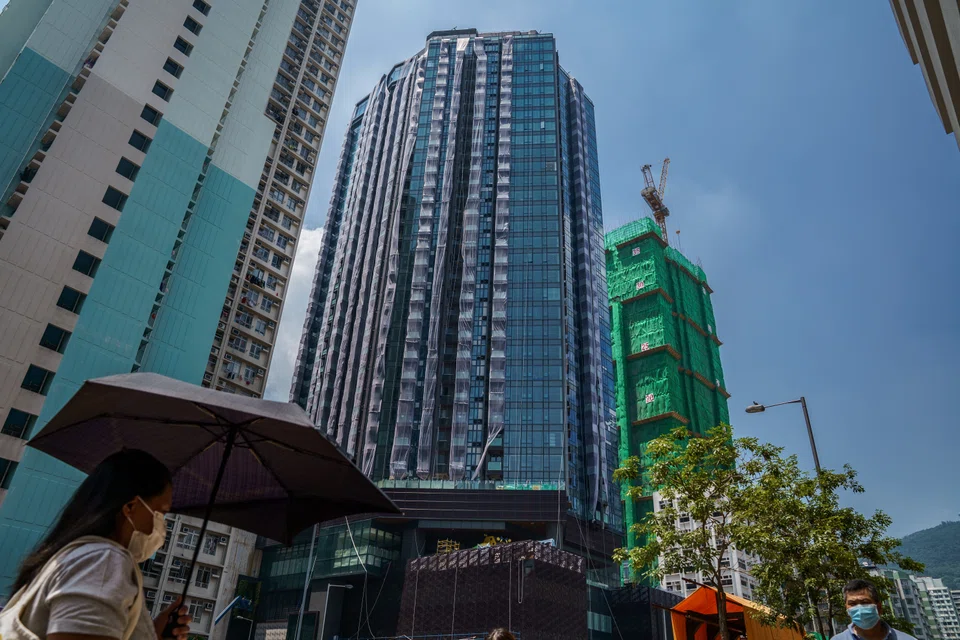
CHINESE regulators told the nation’s second-tier banks to dole out another US$56 billion of financing for the property sector in the final two months of the year, adding to a raft of support measures that have stoked recent gains in the beleaguered industry’s stocks and bonds.
The money – in the form of loans, mortgages and bond investments – adds to the US$85 billion of net financing that the country’s six largest lenders were told to extend in September, people familiar with the matter said, asking not to be identified as the matter is private.
The People’s Bank of China and the China Banking and Insurance Regulatory Commission didn’t immediately reply to requests for comment.
China’s financial policymakers are stepping up efforts to arrest the slump in the country’s property sector, after measures from interest rate cuts to subsidies failed to revive growth. A crackdown on the real estate sector has led to a string of bond defaults and residential construction halts that have angered homebuyers. China’s home prices sank for a 13th month in September.
The latest financial support, along with signs of easing pandemic restrictions, have led to a sharp rebound in China assets. A Bloomberg Intelligence gauge of Chinese developers’ stocks jumped a record 18 per cent Friday, with Country Garden Holdings surging 35 per cent.
Chinese authorities have eased home ownership rules, trimmed interest rates and urged banks to step up lending in a bid to turn around the ailing property market, which remains a drag on the world’s second-largest economy.
China also expanded a key financing support programme designed for private firms including real estate companies to about 250 billion yuan (S$48 billion) this week, a move that promises to help developers sell more bonds and ease their liquidity woes.
Still, the financial backstop is dwarfed by the looming debt maturities facing developers. China’s property sector has at least US$292 billion of onshore and offshore borrowings coming due through the end of 2023. That includes US$53.7 billion in borrowings this year, followed by US$72.3 billion of maturities in the first quarter of next year.
Hopes for more substantive industry support had dimmed after President Xi Jinping gave little signal of a deeper shift in policies on housing or Covid Zero during the ruling party’s congress.
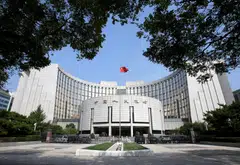
The latest financial boost targets so-called joint stock lenders like China Merchants Bank, which aren’t fully owned by the state though Beijing generally exerts control through other state entities. BLOOMBERG
Decoding Asia newsletter: your guide to navigating Asia in a new global order. Sign up here to get Decoding Asia newsletter. Delivered to your inbox. Free.
Share with us your feedback on BT's products and services