

China's new home prices grow more quickly in Feb on resilient demand
 Add BT as a preferred source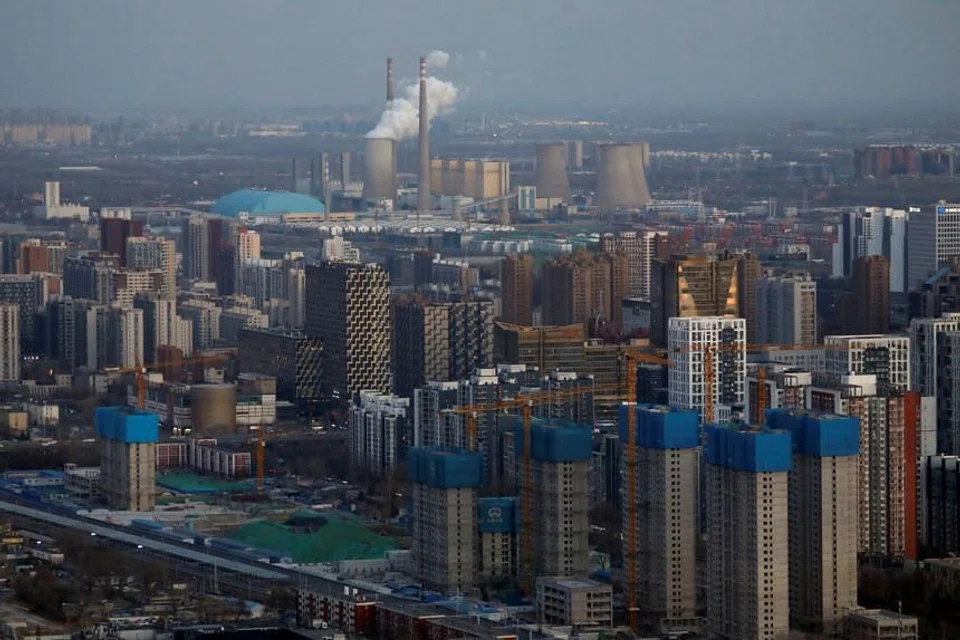
DeeperDive is a beta AI feature. Refer to full articles for the facts.
[BEIJING] New home prices in China rose at a faster pace in February, data showed on Monday, as government cooling measures were largely eclipsed by red-hot demand for property in some major cities.
Average new home prices in 70 major cities grew 0.4 per cent in February from a month earlier, quickening slightly from a 0.3 per cent gain in January, according to Reuters calculations based on data released by the National Bureau of Statistics.
New home prices rose 4.3 per cent in February from a low base a year ago, faster than a 3.9 per cent increase in January.
Real estate, a key pillar of China's economy, has helped underpin the country's robust revival in growth following last year's Covid-19-driven hit to output.
However, an extended surge in home prices in major cities in recent months has raised concerns about speculative asset bubbles and financial risks, prompting tighter regulations to close loopholes in home transactions and contain illegal fund-flows into the sector.
The NBS data also showed 56 cities reported monthly gains, with the number rising from 53 in January.
Navigate Asia in
a new global order
Get the insights delivered to your inbox.
Tier-1 cities again led monthly price growth in February, though the growth rate cooled a bit to 0.5 per cent from 0.6 per cent in the previous month, the NBS data showed.
REUTERS
Decoding Asia newsletter: your guide to navigating Asia in a new global order. Sign up here to get Decoding Asia newsletter. Delivered to your inbox. Free.
Share with us your feedback on BT's products and services
TRENDING NOW

Shelving S$5 billion office redevelopment plan proved ‘wise’ as geopolitical risks mount: OCBC chairman

Eurokars Group introduces rental car franchises Enterprise Rent-A-Car, National Car Rental, and Alamo to Singapore
20 photos that show how dramatically Singapore has changed in two decades
Singapore’s key exports up 15.3% in March from electronics surge, exceeding forecasts

