Climate change should make you rethink homeownership
Climate change is likely making homeownership more expensive and less predictable in large swaths of the country
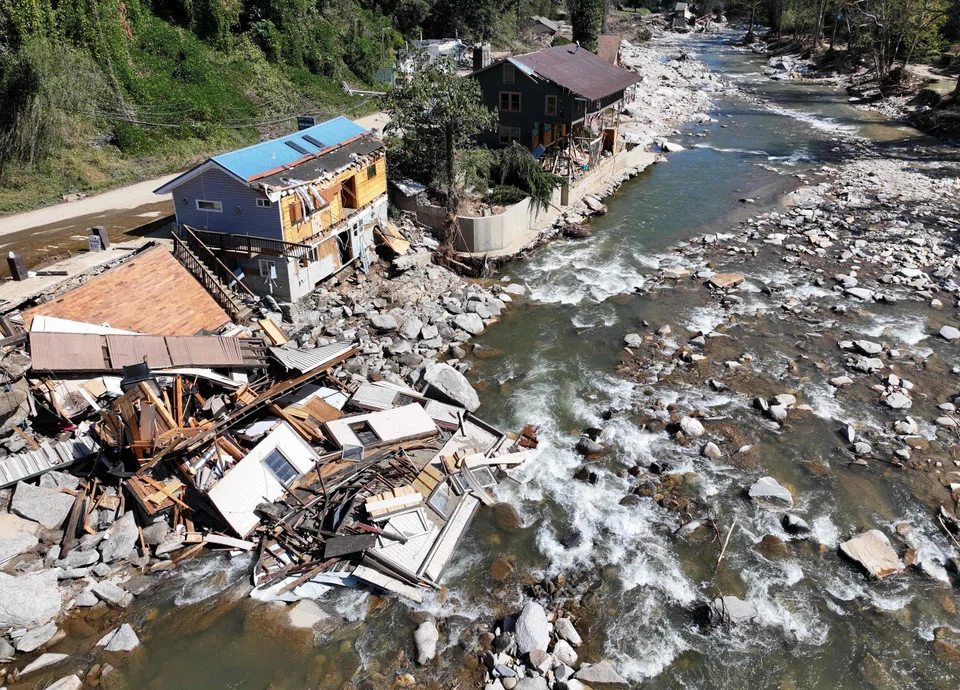
AS THE South-east begins to recover from back-to-back hurricanes, potential home buyers across the country should take notice of the billions of dollars in property damage from the storms, some of it uninsured. The tremendous loss in places, such as Swannanoa and Keaton Beach, shows that homeownership in a world of growing disaster risk is less of an asset than it once was.
Homeownership is not simply a financial decision, but also a deeply emotional one. It’s core to the American dream, representing financial permanence and a sense of stability for young and old families alike. But climate change is likely making homeownership more expensive and less predictable in large swaths of the country, and it’s only getting worse.
As insurance premiums and property taxes rise, and future home values grow more uncertain, it’s time for some prospective buyers set on living in areas with high risk of hurricanes, floods, wildfires and tornadoes to reconsider homeownership as a financial goal. Renting is quickly becoming a better way for many people to enjoy these places with much less financial baggage.
One of the biggest reasons homeownership is not what it used to be is the turmoil in property insurance markets. According to a recent report by Intercontinental Exchange, a data and technology firm, the average property insurance payment for a mortgaged single family home has increased by 52 per cent around the country since 2019.
My research with Philip Mulder at the University of Wisconsin-Madison shows a sharp increase in property insurance in the most disaster-prone parts of the country. In Florida, for example, average premiums have increased by US$1,450 between 2020 and 2023. In essence, the insurance industry has decided that the risk of living in certain areas is now greater than it was previously.
For many wealthier homeowners, paying more in insurance premiums isn’t a deal breaker. Other homeowners may adjust to growing insurance costs by bearing more of the risk themselves: raising their deductibles, reducing their coverage or dropping insurance policies altogether. But without coverage, families will face crushing losses in the event of a disaster.
A second cost borne by homeowners in a warming world is higher property taxes, in part because towns and cities must pay for resiliency and repair efforts. Those taxes have increased on average by 18 per cent for single family homes since 2019, Intercontinental Exchange found, and growth has been stronger in areas more prone to climate risk. If communities want to protect themselves against future disaster risks, the cost of large infrastructure investments – like sea walls or improved storm water drainage – are going to be felt by local taxpayers.
These two costs, insurance and property taxes, usually adjust on an annual basis, so they can change quickly, and uncertainty about them is making it harder to budget for the expected costs of homeownership. Historically, buying a house with cash or a fixed-rate mortgage was thought to broadly lock in housing expenses. This is no longer true, with important consequences for retirees on a fixed income or low-income home buyers looking for predictability.
There is also greater uncertainty around the value of the house itself. To date, we’ve seen little evidence that house prices truly capture the cost of climate change. But the prices of houses in places with growing climate risk should reflect that risk, and eventually decline. That means some homes won’t end up being the good investments they now appear to be.
All of those issues with owning are making renting a safer, lower-risk option for many people who want to avoid those costs, maintain flexibility and put their wealth in assets that aren’t exposed to weather risk. While landlords still have to take on the risk, they may have more resources for and experience shopping for insurance, giving them better coverage in the long run.
There are very real downsides to renting. Renters may find themselves needing to move if the property is destroyed, unsafe or redeveloped, or if rent increases are too high. Landlords may not maintain the property well, or they may be slow to invest in ways to make it more resilient to extreme weather. In some rental markets, landlords may pass along much of these costs of climate change to their tenants. Many households have also enjoyed the freedom and stability of homeownership for years and don’t want to go back to dealing with a landlord.
But at a minimum, the choice between renting and owning should be made with clear information about risks. Unfortunately, since disclosure laws are determined by states, the risk information buyers receive depends on where they live. It was only this past spring that Florida passed a law that requires disclosing certain details about prior flooding to potential home buyers.
Stepping into this information void, Zillow has followed other property listing websites and is collaborating with First Street, a research firm that studies climate threats to housing, to provide guidance to potential home buyers on risk and insurance needs. The early evidence on whether that kind of information is shaping decisions is encouraging: When Redfin experimentally rolled out flood risk information, a team of researchers showed that home shoppers significantly changed how they searched, bid on and eventually bought properties. Timely information helped those buyers make smarter choices that reflected their risk tolerance.
For many Americans, homeownership has felt increasingly out of reach in recent years as higher mortgage interest rates combined with high home prices have made owning relatively unaffordable. By raising the costs and the uncertainty around being an owner, climate change is only swinging the pendulum farther from the dream of homeownership.
Being a renter might sound like a step backward to some – a return to your 20s and 30s – but in this case, it may be worth trading some control for reduced exposure and greater flexibility. A new American dream of renting property near the water – imagine that. NYTIMES
Decoding Asia newsletter: your guide to navigating Asia in a new global order. Sign up here to get Decoding Asia newsletter. Delivered to your inbox. Free.
Share with us your feedback on BT's products and services