Construction at NY buildings declared 'vacant' for work riles their tenants
New York
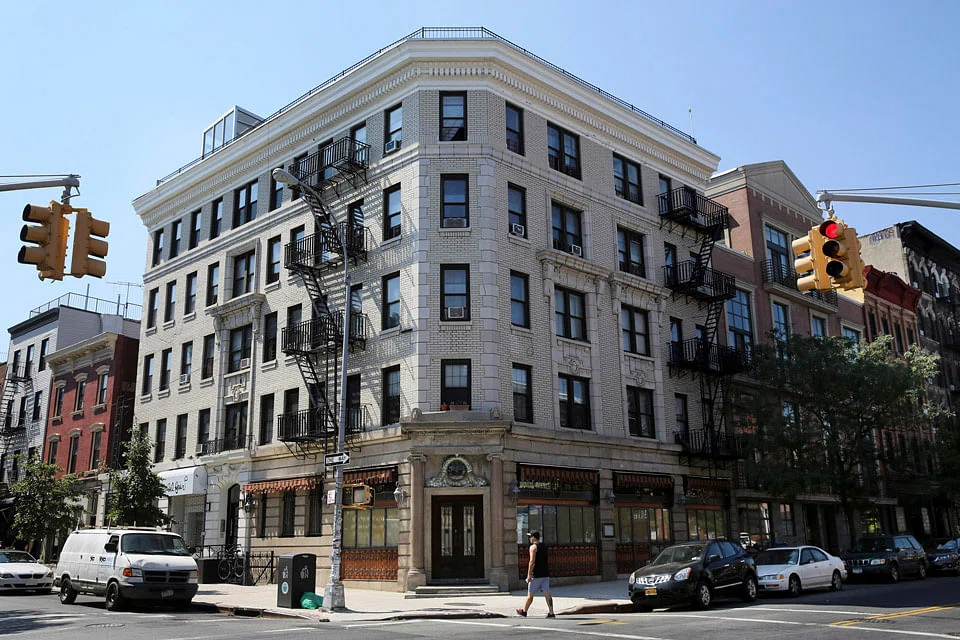
THE complaints to the city from 292 Bedford Ave in Brooklyn read like dispatches from chaos.
"They have huge piles of dust and concrete, which is getting tenants sick," one said. "Caller's apartment is vibrating, and he is afraid his ceiling will drop," said another.
When New York property owners plan to do work on their buildings, they are required to tell the city if people are living there and, if so, to submit plans to protect them from dust, blocked exits and other perils.
But at 292 Bedford and numerous other occupied work sites, the city allowed work to proceed even though owners or their agents asserted the buildings were empty, claims that could be easily disproved through public databases or by simply pressing the buzzers outside the front doors. City officials acknowledge they have no system to verify whether buildings undergoing construction are unoccupied, a blind spot that tenants and their advocates argue has helped promote a climate of lawlessness, particularly for rent-stabilised residents.
Even as Mayor Bill de Blasio has made preserving and creating rent-stabilised apartments a focus of his administration, tenants and some elected officials say that some landlords have exploited the lack of enforcement to harass these residents into leaving their apartments, freeing them to be rented out for more money.
"They have made our lives unbearable to see how long we can take it before we leave," said Maribel Rosario, 43, an executive secretary at a hospital who said she and her husband had rejected repeated buyout offers from the landlord at 292 Bedford.
She said her young son and daughter had constant flu-like symptoms and allergies during the construction.
Even when the city becomes aware of an incorrect permit application, it has typically allowed landlords simply to correct the paperwork and provide the required protection plans. That does not always help, as landlords sometimes flout the plans, tenants in some of the buildings say.
"Certainly the Buildings Department has been really falling down on the job," said state Assemblyman Richard Gottfried, a Democrat, who is among several elected officials who met the department on Friday over the issue. They want the department to do more to verify occupancy status and impose more severe penalties, especially for repeat offenders. "Not only are landlords and developers defrauding the Buildings Department with these filings, but they're also endangering the lives and safety of tenants, as well as working to destroy affordable housing," Mr Gottfried said.
Department officials say they are aware that false filings are a problem and have been working to upgrade their technology to identify potential wrongdoers. One way to do that, the department and its critics agree, is to create a system to crosscheck permits with the state's database of rent-stabilised buildings.
But Timothy Hogan, deputy commissioner of enforcement, said that "just because there's construction it doesn't mean there's tenant harassment". He said some of the inaccurate information, which can be filled in by engineers, architects, property managers and the owners themselves, may stem from innocent mistakes, such as erroneously listing the building as vacant because the proposed renovation is limited to a vacant floor. He added, though, it was "really incumbent on these licensed professionals to be truthful". And department officials say they are considering more aggressively penalising owners who submit false information.
The problem appears to be so endemic that even buildings undergoing cosmetic work sometimes give inaccurate information. The building on the Upper West Side where City Comptroller Scott Stringer rents an apartment, for instance, was recently approved for US$284,100 worth of facade repairs, even though it listed the building as unoccupied.
Tenant groups and lawyers say false information on permits is widespread in neighbourhoods where the market can sustain the transformation of rent-stabilised apartments into expensive rentals.
A neighbourhood group in the Chelsea area of Manhattan known as Community Residents Protection compiled a list of several dozen occupied buildings where it suspected permit falsifications, and city building officials have confirmed 41 had incorrect filings. The department issued violations for the false filings, which carry fines of US$1,200 to US$4,800, as well as stop-work orders, officials said. Only one case was considered tenant harassment, building officials said; that case was referred to a city-state tenant protection task force.
At 292 Bedford, the city did not issue violations related to the permit application and many other complaints until this year, after the building's manager, Isaac Rosenberg, 27, was charged in February with bribing city housing inspectors to dismiss violations for mould, lack of heat and other problems there and elsewhere. Rosenberg has pleaded not guilty. The incorrect permit applications, first filed in 2013, were signed by Cheski Weiss, a managing member of the corporation that owns the building.
Violations involving false permit applications are infrequent - about 100 were issued last year out of more than 77,000 permits for residential work. Building officials say the sheer number of applications makes it unfeasible to verify the occupancy status for each one. Prosecutions are even rarer, and usually involve a pattern of anti-tenant behaviour.
Across the street from Stringer's building on the Upper West Side, tenants have organised to battle gut renovations and scaffolding that deprived them of their use of terraces and exposed them to construction dust with lead. The building, which is owned by the Brodsky Organization, led by Daniel Brodsky, chairman of the board of the Metropolitan Museum of Art, was ordered by the city's Department of Health and Mental Hygiene to clean up the dust and minimize it in the future.
The permit applications said the building was unoccupied. The Buildings Department issued stop-work orders and violations this summer for work done without permits and for the false tenant information claims, but found no harassment. The owners corrected the permits and put in a tenant protection plan, officials said.
The Brodsky Organization said: "We continue to maintain a safe building first and foremost, and are correcting any permitting issues that have occurred in the building." The building's tenants said they feared the construction was part of an effort to try to get more rent-stabilized tenants out.
"The city is not as vigilant as it could be," Susan Schwarz, a tenant leader in the building, said. "When the tenants are complaining, it doesn't seem to carry a lot of weight." NYT