

Deluge of new homes may end high property prices in Sydney
213,000 new home starts across the country prompts Goldman Sachs Group Inc to warn of a supply glut by 2017
Sydney
A HOME-BUILDING frenzy that is shoring up Australia's economy as the mining boom ends may also be what finally takes the steam out of one of the world's most expensive property markets.
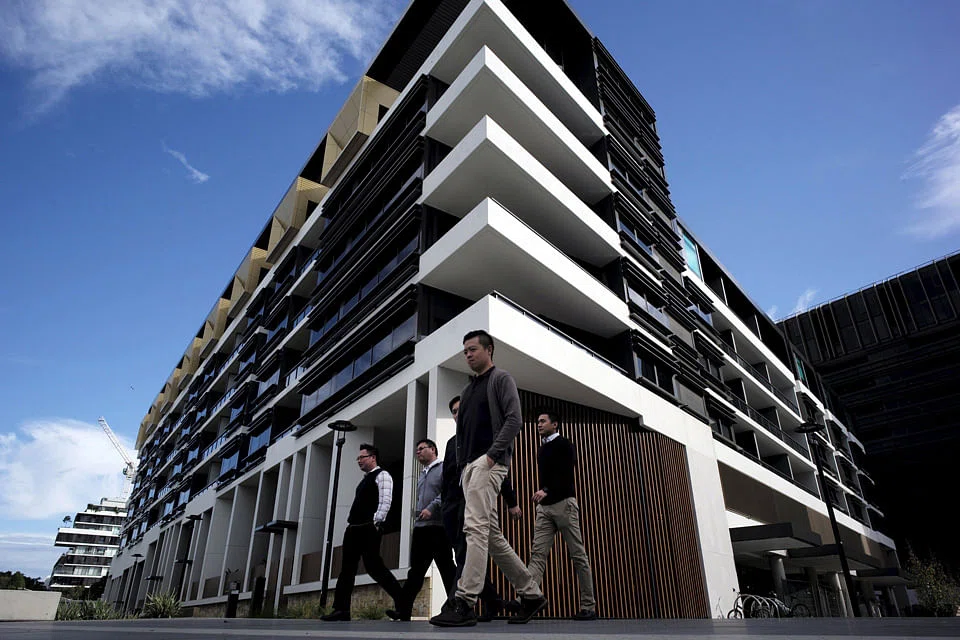
The case in point: Green Square. Nearly 10,000 apartments will be built in one of Sydney's newest suburbs in the next four years to satisfy investor demand, which has already sent property prices in the city to the highest ever. It will also add to the record 213,000 new home starts across the country amid slowing population and economic growth, prompting Goldman Sachs Group Inc to warn of a supply glut by 2017.
"There is a tsunami of home supply coming," said Nigel Stapledon, head of real estate research at the University of New South Wales Business School and former chief economist at Westpac Banking Corp. "The market is going to be tested in accepting this sort of supply. It's not like there is economic growth to support it. Income growth has gone from boom time to the lowest in a number of years, and population growth has eased back."
Housing and home prices have been the biggest beneficiaries of the central bank's 10 interest rate cuts since November 2011 to a record low that made mortgages the cheapest they have been in five decades. Economic growth has remained below historical rates, and capital spending and confidence have sagged.
Some cracks are starting to appear. Auction clearance rates in Sydney dropped to about 73 per cent for the week ending Sept 20, from a peak of over 90 per cent in April, as buyers' tolerance for some of the most expensive property in the world and a median price that touched a record A$773,000 (S$779,635) cooled. The measure is at the lowest since November last year, according to the data. Nationally, auction clearance rates - used to gauge buyers' demand - have dropped to just over 70 per cent from a high of more than 80 per cent in April.
At the same time, demand from investors, responsible for more than half the mortgage commitments since August 2014 - a record - is being choked by tighter lending requirements to landlords. Investor loan growth dropped from 29.6 per cent in April to 16.5 per cent in July, the latest government data showed.
Homes are 20 per cent overvalued, according to Goldman Sachs, which is seeing a one in three chance of a recession in Australia in the coming year, according to a note this month, while Barclays plc puts the overvaluation at 14 per cent.
Dwelling prices have climbed 24 per cent across the country in three years to Sept 1, with Sydney leading with a 46 per cent increase, according to CoreLogic. Reserve Bank of Australia governor Glenn Stevens said in June that Sydney home prices were "crazy", while Treasury Secretary John Fraser has called it a "bubble".
A surge in supply as economic growth sputters may temper those gains. The economy, trying to navigate a transition from a mining boom, expanded 0.2 per cent in the June quarter, the slowest pace since 2013, while wages climbed 2.3 per cent from a year earlier, matching the weakest pace ever.
In the short term, "strong supply growth can create some negative impact on prices", David Cannington, a senior economist at Australia & New Zealand Banking Group Ltd, said. "With the current headwinds facing the Australian economy and the lack of consumer confidence in particular, a further step up in supply would likely test the depth of demand and face significant challenges in some markets." BLOOMBERG
TRENDING NOW

Nvidia reinstates Jensen Huang as CEO; Trump says move poses no national security risk

Beyond the greenback, Vietnam’s big borrowers turn to Asian-currency bonds

Indonesia’s coal tycoon Low Tuck Kwong replaced as Bayan Resources president-director

Six workers file employment claims against Crystal Jade Food Manufacturing

