

Deutsche Bank may eventually allow New York City staff to move elsewhere
 Add BT as a preferred source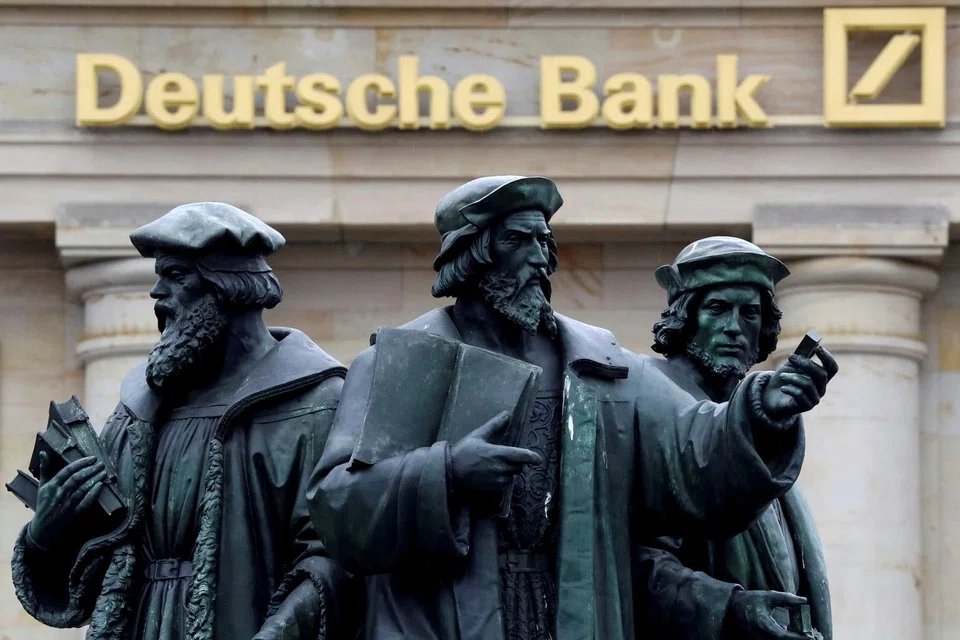
[NEW YORK] Deutsche Bank is considering moving some of its 4,600 Manhattan staff to other hub cities across the US but there are no concrete plans as yet.
The German lender is discussing how to allow more employees to work from home and from other locations as it moves operations to the Time Warner Center in New York City, spokesperson Daniel Hunter said.
Mr Hunter's comments come after Christiana Riley, chief executive officer of the Americas division, told the Financial Times that Deutsche Bank could "conceivably" cut its New York headcount by half in the next five years.
"I'm optimistic that New York remains, to a degree, a hub," MrRiley told the FT. "You will continue to have significant amounts of institutional capital sitting in and around New York... But that isn't maybe going to be relevant for all of those people."
Banks and other companies are thinking about how to re-balance their office locations and the amount of on-site work for the period after the Covid-19 pandemic, which has prompted an unprecedented number of people to work from home.
Bloomberg reported last week that Goldman Sachs Group is scouting for potential locations in South Florida for part of its asset management arm, while Ken Moelis said he's prepared to let his bankers work in the Sunshine State if they want.
Navigate Asia in
a new global order
Get the insights delivered to your inbox.
Deutsche Bank this week said that it expects to lower its 2022 adjusted costs by 300 million euros (S$485.8 million) more than previously announced, partly thanks to the impact of the pandemic on work habits.
The lender said in September that workers in New York could continue working from home until the middle of next year.
BLOOMBERG
Decoding Asia newsletter: your guide to navigating Asia in a new global order. Sign up here to get Decoding Asia newsletter. Delivered to your inbox. Free.
Share with us your feedback on BT's products and services
TRENDING NOW

US-China rivalry and the Kindleberger Trap: Why inaction – not escalation – is the biggest risk

Middle East-linked energy supply shocks put Asean Power Grid back in focus

Thai and Vietnamese farmers may stop planting rice because of the Iran war. Here’s why
Strengthening Asean’s economic resilience through RCEP’s 2027 review

