
The Fed wants to cool the US housing market. Here’s what that feels like
 Add BT as a preferred source
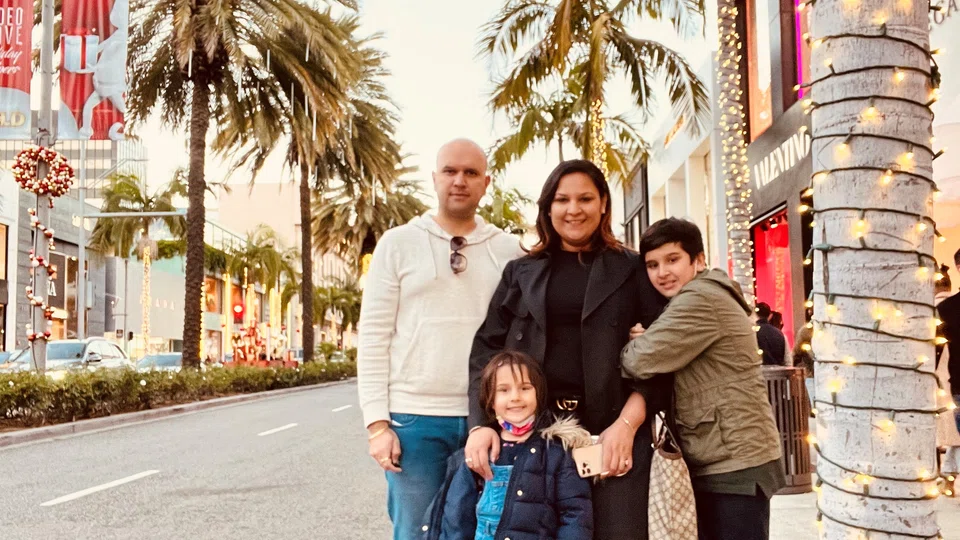
IN MID-APRIL, months into an increasingly frustrating house hunt, Harsh Grewal and his wife settled on a place in a San Francisco suburb and were prepping a bid, above the listed price so they’d have a chance of besting other offers in one of the nation’s hottest housing markets.
Then he checked his phone and saw several alerts, all touting reduced prices for other homes they’d been tracking. The Grewals pulled their offer and put their search on ice in hopes it was a sign the market was finally cooling. “I want to see where this goes, and where the dust settles,” Grewal said.
That’s exactly what Federal Reserve policymakers hope to see more of as they raise interest rates to bring down 40-year high inflation.
One leg of their effort is taking the heat out of the housing market, where low borrowing costs introduced to cushion the economy from the Covid-19 pandemic helped fuel a 35 per cent rise in home prices over the past two years. While house prices are not part of the inflation indexes the Fed tracks, they do feed into other factors – such as rents – that are influential to inflation.
Rising rates mean borrowing for a house is suddenly more expensive. The 10-year Treasury note yield, a benchmark for mortgage rates, has risen on expectations of swift Fed rate hikes. The average 30-year-fixed home loan rate is now 5.37 per cent, up more than 2 percentage points since the year began, according to the Mortgage Bankers Association.
So buyers of a typical existing home, which went for US$375,000 in March, will pay US$440 more each month than they would have in December, if they put 20 per cent down and borrow the rest at a fixed rate for a 30-year term.
Navigate Asia in
a new global order
Get the insights delivered to your inbox.
Higher interest rates account for most of that. Meanwhile, inflation is also driving up grocery bills and gasoline costs.
“The housing market is definitely out of whack,” said Fed Governor Christopher Waller, who recounted last month how he sold his St. Louis home to an all-cash buyer with no inspection. “We’ll see how the interest rates start cooling things off going forward.”
Inflection point
The last time mortgage rates rose this fast was in the spring of 1994. Total home sales fell 20 per cent as the Fed lifted rates, and home price growth slowed.
Economists predict a sales drop and slowing price growth this time, too, perhaps to a roughly 5 per cent annual rate by year-end.
But an unprecedented collection of factors, including record-low housing stock, unusually high household savings, an extremely tight job market and increased worker mobility are creating crosscurrents that could blow that forecast off course.
Sales of previously owned homes were the lowest in nearly two years in March, according to the National Association of Realtors. Mortgage applications are down as well.
List-price drops like those the Grewals noticed are more common, accounting for 13 per cent of homes for sale in the four weeks from mid-March to mid-April, according to real estate company Redfin, up from 9 per cent a year earlier.
At the same time, mortgage applications remain above pre-Covid levels, and house prices hit a record as homes were snatched up typically within 17 days of listing.
Some of that could be a last-gasp effort of buyers, particularly those with pre-approved financing, racing to purchase homes before rates go even higher.
“The next couple of months things are going to heat up until we get to an inflection point,” probably this summer, Zillow Economist Nicole Bachaud said.
This time is different?
Mike Wang, 33, works at a vitamin manufacturer and rents a Los Angeles apartment. He’s had a number of promotions and now makes 50 per cent more than he did three years ago. “Even with making more money than I could have hoped for when I was 20-something, house prices have far outpaced that – which when I think about that I’m like, holy cow, that is insane.”
So Wang says he sees little choice but to wait, in the hope prices slow as predicted, and he can catch up enough to buy a house in a few years.
With so many people his age wanting to buy homes, and so few houses being built, he’s not convinced it will happen that way.
“Having been surprised in the past, I wouldn’t be surprised to see things buck all the analyst forecasts,” Wang said.
Decoding Asia newsletter: your guide to navigating Asia in a new global order. Sign up here to get Decoding Asia newsletter. Delivered to your inbox. Free.
Copyright SPH Media. All rights reserved.

