

Flight to safety checks into Singapore hotel market
Uptick in hotel transaction volumes totals about S$1.7b so far this year and set to rise; bumper year expected
Singapore
AMID the ongoing trade uncertainty playing out between the US and China, there remains a strong weight of global capital seeking opportunities in safe haven destinations.
As a key global gateway city, Singapore remains high on investors' radar, underpinned by its transparent banking and legal system.
A key beneficiary of the capital inflows is the hospitality sector in Singapore. According to JLL's Singapore Hotels Market Update 2019, there has been an uptick in hotel transaction volumes, including the sale of existing assets and hotel land sites, totalling approximately S$1.7 billion so far this year. With further transactions likely to close before the year ends, 2019 is set to be one of the best for hotel transactions.
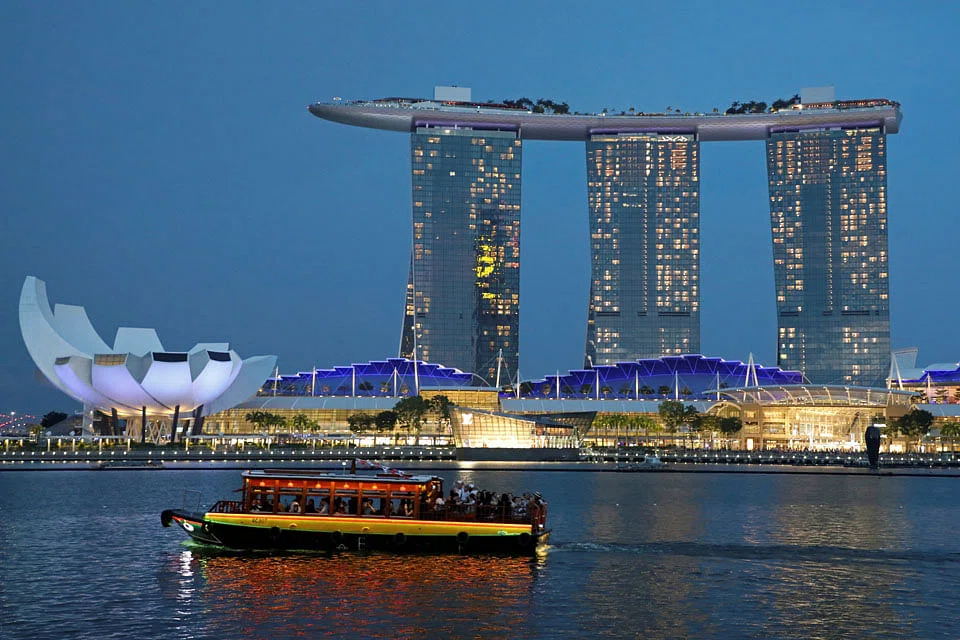
The island city's tourism sector will also see a boost in the medium to long term, with a slew of new initiatives announced this year. These include the expansion of the two existing integrated resorts, Marina Bay Sands and Resorts World Sentosa, which will feature new attractions and MICE (meetings, incentives, conferences and exhibitions) facilities.
In addition, Singapore is seeking to diversify its offerings, with a new eco-tourism hub in Mandai scheduled to complete by 2023 and an integrated tourism development opening at Jurong Lake District by 2026. Most recently, the government announced plans to include new attractions at The Greater Southern Waterfront, south-west of the CBD.
Apart from leisure demand, we expect business and corporate demand to continue to rise. The competiveness of the Singapore economy has since attracted several global companies to choose Singapore as its new regional headquarters. New arrivals include Cisco, which opened its first South East Asia innovation centre; British technology firm Dyson; and newly-formed global technology services provider, NTT.
Based on a report by JLL and WTTC, Destinations 2030: Global Cities Readiness For Tourism Growth, Singapore was identified as a city with one of the most balanced dynamics in terms of readiness for future tourism growth. This includes established infrastructure and potential for travel and tourism growth, which is evident with the string of new tourism initiatives recently laid out by the government. In anticipation of the future tourism growth, the expansion of Changi Airport will see the construction of the new Terminal 5, which will significantly increase the airport's current capacity from 82 million to 135 million when completed.
By the end of 2019, there will be more than 68,000 hotel rooms in Singapore.
Property developer OUE Limited recently inked agreements to sell Oakwood Premier OUE Singapore, its luxury serviced residences and hotel business in Shenton Way, for S$289 million.
Also, the re-opening of the Raffles Hotel Singapore in August, following its two-year renovation, is a welcome addition, raising the profile of the Singapore hotel market. We believe this iconic hotel will likely set a new benchmark for hotel average daily rates across the island.
The hotel sector is resilient with marketwide RevPAR staying relatively unchanged y-o-y at S$186 as of July 2019, according to figures from STB. Notably, occupancy registered at 93.8 per cent in July, the highest recorded since STB began tracking marketwide trading performance in 2005. Nevertheless, with the limited new supply and growing tourism demand, the overall outlook on hotel trading remains strong for the rest of the year.
Looking ahead, the outlook for Singapore's tourism sector is positive and the hotel market is expected to benefit from the robust supply and demand fundamentals in the short to medium term. In the long term, we foresee that the government's strategies and infrastructure investments will support Singapore as an attractive destination for tourism as well as investors seeking stable secure capital appreciation.






