

GIC sells its 50% stake in Westquay mall at £164 million loss amid UK retail downturn
In June, the sovereign wealth fund sold its 17.5% stake in Bluewater Shopping Centre for £120m, over 60% discount to the £318m it paid

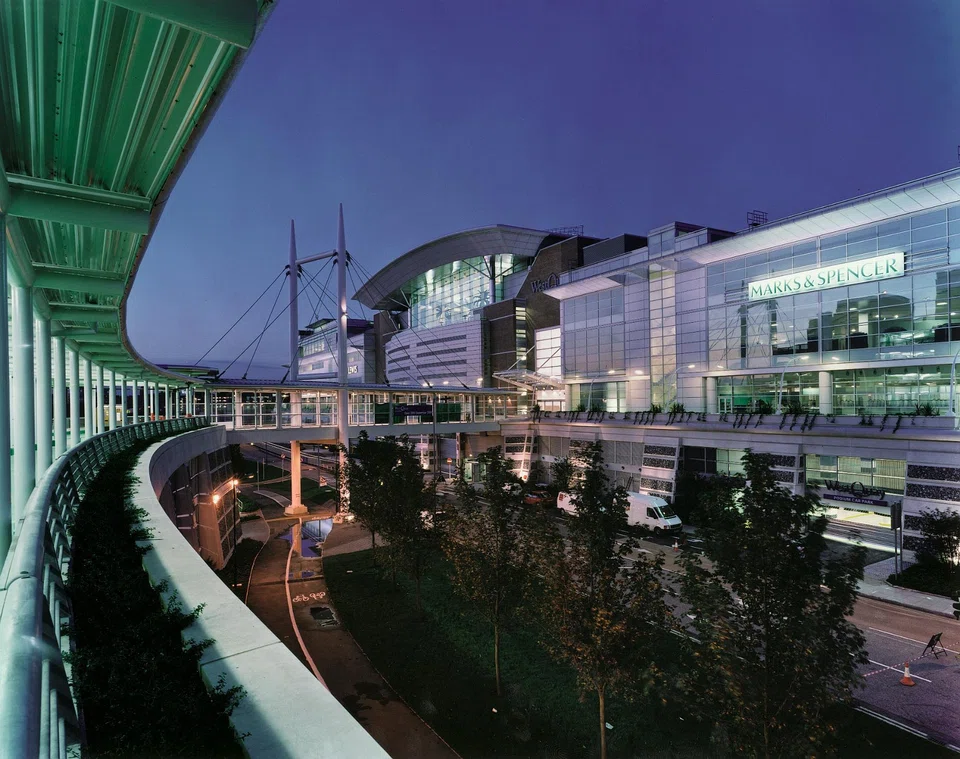
SOVEREIGN wealth fund GIC has divested its 50 per cent stake in UK shopping centre Westquay for £135 million (S$231.5 million). Comparing the sale price with the original purchase price of £299 million in 2007 reveals a loss of £164 million.
The buyer was Hammerson, a London-based real estate investment trust, which announced the purchase. With GIC’s divestment, Hammerson now has complete ownership of the shopping centre.
This follows GIC’s earlier sale of another UK shopping centre. In June, the sovereign wealth fund sold its 17.5 per cent stake in Bluewater Shopping Centre in Kent to property developer Land Securities Group (Landsec) for £120 million – a more than 60 per cent discount to the £318 million it paid in 2005.
The Business Times understands that the income GIC had received from the two assets over the years offset a meaningful amount of the loss.
At 1.8 million square feet, Bluewater is the fifth-largest shopping centre in the UK. Property consultancy Colliers said it has a catchment area covering 3.8 million people with a spend of £8.8 billion, of which the shopping centre captures 8.1 per cent with an annual footfall of 23 million.
Landsec said the acquisition was expected to increase its net rental income by £10.3 million on an annualised basis.
Meanwhile, the Westquay shopping centre spans 94,400 square metres with 110 tenants and a passing rent of £13.6 million, Hammerson’s FY2023 earnings report showed.
GIC has made profitable divestments as well, with a recent one being a property in Fukuoka, Japan.
GIC purchased Hawks Town – which comprises a baseball stadium, mall and hotel – for around 100 billion yen (S$867.3 million). The stadium was sold earlier for 87 billion yen, and the mall at an undisclosed price.
With the hotel sold for about 70 billion yen, the overall divestment was profitable for the sovereign wealth fund.
Based on GIC’s latest annual report, its portfolio is constructed to be “resilient across a broad range of possible market and economic conditions, while generating good returns above global inflation in the long term”.
Part of that means focusing on an asset’s fundamental value, even when it can mean going against prevailing market sentiment, GIC said.
It added that its portfolio is rebalanced regularly to preserve the intended asset class mix. “Actively managed portfolios are reviewed regularly in light of changing market conditions and developments in our active management capabilities,” it said.
In the financial period ended March 2024, the fund posted an annualised rolling 20-year real rate of return of 3.9 per cent, down 0.7 percentage point from 4.6 per cent the previous year.
The annualised nominal return, which does not account for inflation, was 5.8 per cent in US dollar terms for the 20-year period.
GIC said these lower figures reflected the market challenges in recent years, which saw sharp falls in returns in fixed income and global equities, particularly emerging markets.
It noted that the fund has been diversifying on a far more granular level over the years to enhance portfolio resilience.
This includes stepping up its investments in infrastructure and real estate, GIC said, adding that “investment teams across all asset classes continue to maintain strict price discipline, carefully weighing risk-reward prospects of potential investments to ensure adequate compensation for assuming the risks”.
Value destruction
GIC’s two divestments in the UK were made in an underwhelming retail market.
A Knight Frank article published in June showed that values of UK shopping centres typically fell by 30 to 50 per cent between 2005 and 2015, and by another 60 to 90 per cent between 2015 and 2023.
This works out to an aggregate loss of 80 to 90 per cent since the financial crisis of 2008, said Knight Frank. “Very few assets have been immune and the number of centres that have been acquired and subsequently sold at a higher price since 2010 can be counted on one hand.”
Data from MSCI’s Investment Property Databank real estate index for the UK also indicated that values of shopping centres have plunged by 67 per cent since 2005. However, the decline was smaller for those in the top quartile at 12 per cent, and much steeper for the bottom quartile at 91 per cent.
Market watchers attributed this to the growth of e-commerce, high borrowing costs and slow economic growth – which were all exacerbated during the pandemic.
Cushman & Wakefield in its third-quarter market report also noted fierce competition amid limited consumer spending, leading to “an honest assessment” of retail footprints.
“Modest management and a lack of investment have certainly played their part,” added Knight Frank.
BT previously reported that plummeting prices in the UK’s commercial property sector have resulted in savvy investors searching for a steal.
In any case, analysts noted that the market may soon turn the corner.
Consumer footfall and vacancies are now relatively stable, and there is plenty of evidence that operators are looking for new spaces, said Savills in a November report. “In turn, we continue to see a positive uptick in rents on new deals across high streets and shopping centres.”
Cushman & Wakefield added: “While investment volumes for shopping centres remain low, the outlook for strong-performing schemes is much improved (compared to) just two to three years ago, with voids reducing, rents stabilising, and footfalls improving.”






