The highs and lows of CDL’s Millennium & Copthorne Hotels
The business has grown from a single hotel in Orchard Road to a global hospitality group with more than 145 hotels worldwide

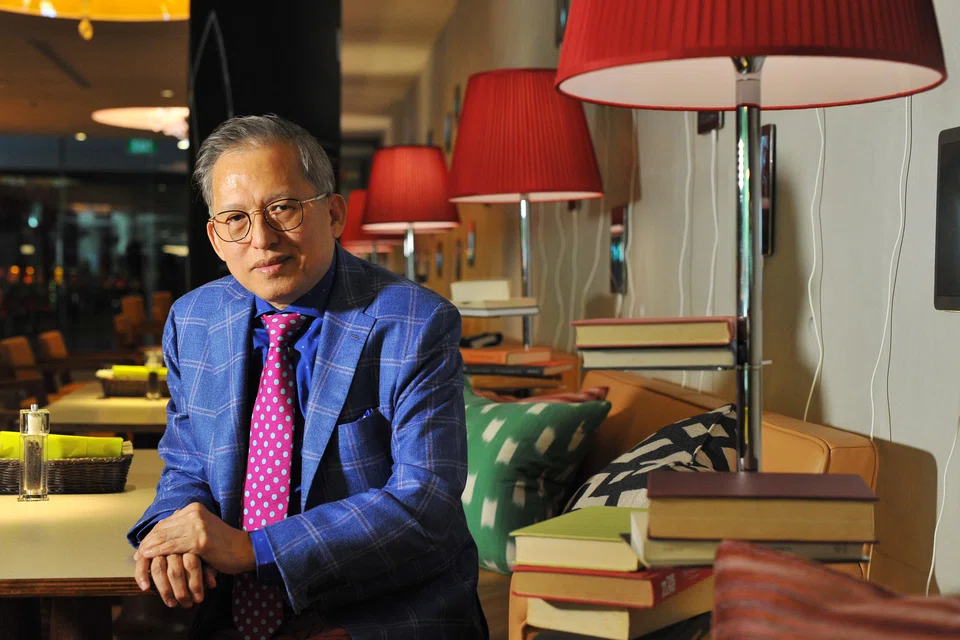
[SINGAPORE] City Developments Ltd’s (CDL) global hotel business, Millennium & Copthorne Hotels (M&C), came into the spotlight when a tussle for control over the group emerged in February.
Executive chairman Kwek Leng Beng accused his son and group chief executive Sherman Kwek of an attempted coup, filing court actions to “set things right”. Central to the dispute were allegations made by Sherman Kwek that Dr Catherine Wu, long-time adviser to his father, wielded power and influence beyond her scope and role at M&C.
Dr Wu has since resigned from her position of “unpaid adviser” to the board of M&C, a post she held since August 2024, according to a statement from Kwek Leng Beng. Prior to that, she was a director on the board from June 2022 to January 2024.
While the senior Kwek has now dropped his legal action against his son, questions remain on Dr Wu’s role at M&C.
The group’s hotel business expanded fast after 1993, when it acquired its first properties outside Asia, in London and New Zealand. By 1996, it had formed M&C after picking up a trophy asset the year before – Donald Trump’s Plaza Hotel in New York – and listed the hospitality arm on the London Stock Exchange.
In the two decades that followed, M&C continued to acquire assets in new markets. In the process, eight CEOs passed through its doors, three of whom left after mere months on the job.
M&C was taken private in 2019 and folded back into the CDL group. Hotel operations have been a major contributor to the group’s revenue and profits, in some years smoothing out lumpy development profits. Asset divestments have also boosted CDL’s financials.
The Business Times traces M&C’s path through the years, from the start of its business as a single hotel in Orchard Road to a global hospitality group with more than 145 hotels across some 80 locations.
1967: Kwek Hong Png’s Hong Leong Group acquires a site along Havelock Road in Singapore’s first state land sale for hotel construction. His son Kwek Leng Beng is later tasked with developing King’s Hotel.
1970: The 12-storey King’s Hotel – renamed King’s Clarion Hotel in 1992 and the Copthorne King’s Hotel in 1998 – officially opens.
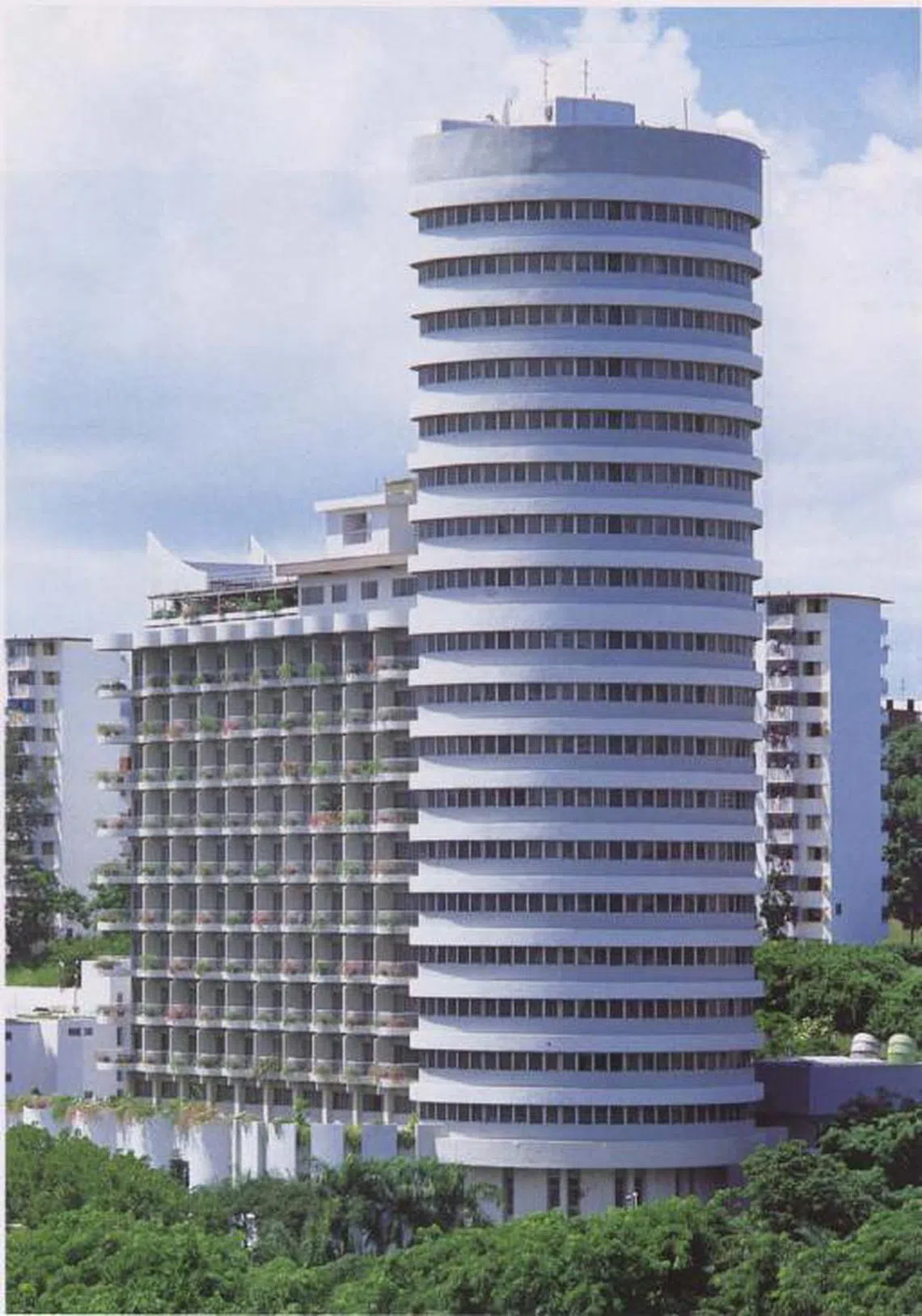
1980: CDL acquires 65 per cent of King’s Hotel for S$13.6 million, marking the group’s first foray into the hospitality industry. The group also acquires Orchid Inn, which is later redeveloped into the freehold condominium The Glyndebourne.
1989: CDL’s hotel arm, which now owns six hotels in Asia, is formed and listed on the Hong Kong Stock Exchange.

1992: Dr Catherine Wu meets Kwek Leng Beng for the first time, reportedly at a gathering of family friends. Some 30 years later, on a Taiwanese television talk show in November 2024, she says the meeting felt like a job interview. She recalls that Kwek Leng Beng posed several wide-ranging questions before asking her whether she was interested in a move to Singapore. On the show, she also says he subsequently asked her to do research on properties he was interested in, and once asked her to evaluate three potential hotels for acquisition and to choose one from among them.
1993: CDL acquires its first hotels outside Asia with the purchase of the Gloucester Hotel and The Bailey’s Hotel in London, as well as 13 other hotels in New Zealand.
1994: CDL makes its maiden entry into the US market with the acquisition of Millennium Hilton and Hotel Macklowe in New York.
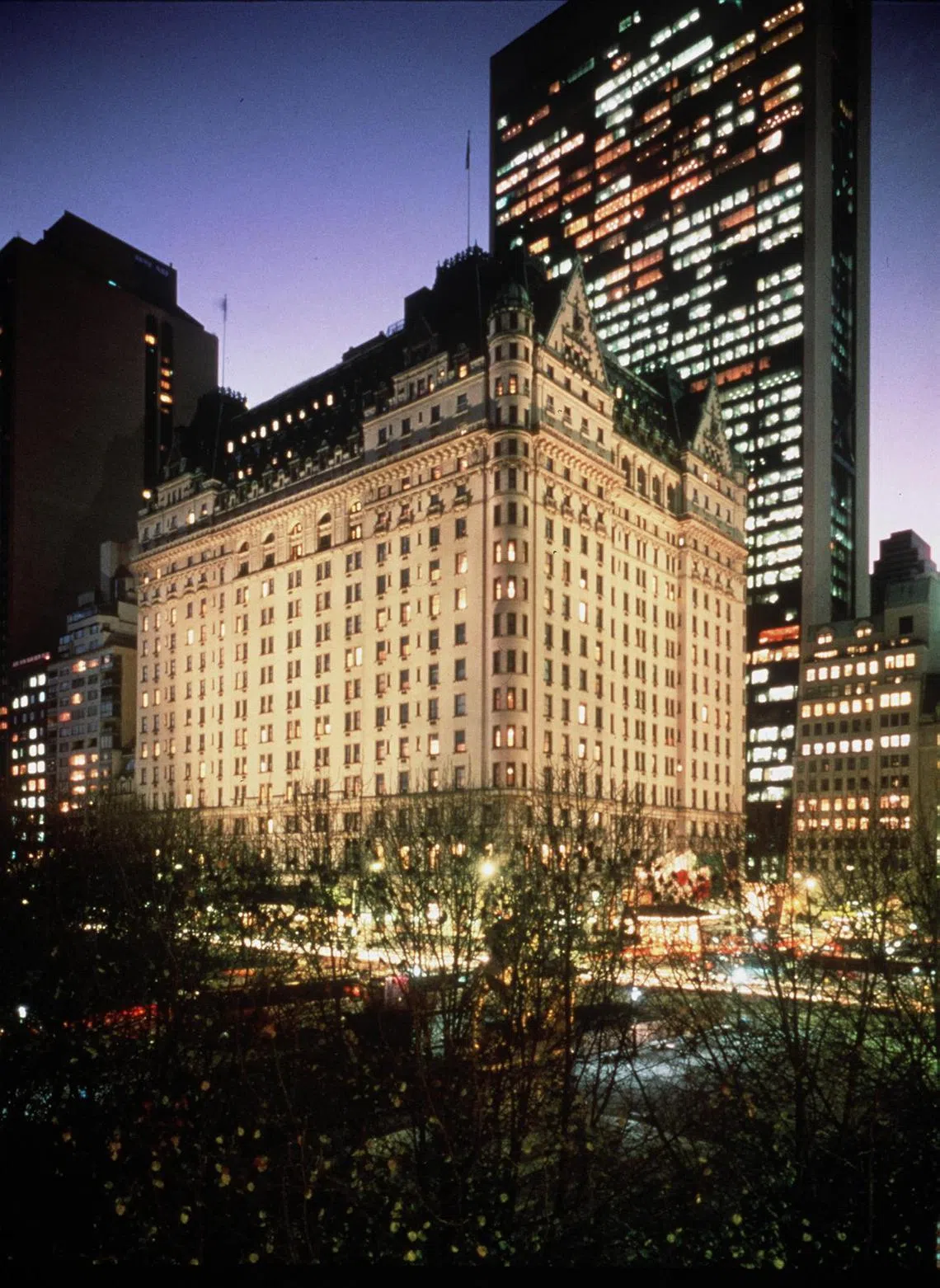
1995: CDL buys an 80 per cent stake in the famed Plaza Hotel in New York for S$455 million with Saudi billionaire Prince Al-Waleed bin Talal – its most significant acquisition to date. The group also acquires the Copthorne chain of hotels in London, Germany and France for £219 million (about S$480 million at the time), and launches a new global brand, Millennium Hotels & Resorts.
1996: The group’s European and US hotels are bundled into a new company, M&C, and listed on the London Stock Exchange. CDL retains a 55 per cent stake.
1999: M&C acquires 17 hotels under Regal Hotels International’s North American portfolio for US$640 million. It also buys the Seoul Hilton (later known as Millennium Hilton Seoul) for US$213.5 million in the largest international hotel deal in Asia then. Also, M&C acquires CDL’s portfolio of 43 hotels for £556 million, bringing its market capitalisation to £1.3 billion.
2000: The company trims its portfolio, divesting 12 smaller hotels that were acquired earlier by the Regal chain.
2001: M&C bags hotel management contracts in the Middle East, North Africa and Turkey, as well as an additional 16.8 per cent stake in the Plaza Hotel. It partners Germany’s Maritim Hotels and launches a new boutique brand under M Hotel.
2004: M&C and partner, Prince Al-Waleed, sell their stake in the Plaza Hotel for US$675 million, at more than US$800,000 per room – the highest per-room price paid for a New York hotel then.
2006: M&C carves out four Singapore hotels and an adjoining shopping centre, bundling them into CDL Hospitality Trust, Singapore’s first hospitality real estate investment trust. The initial public offering aims to raise around S$579.3 million. At the same time, the company enters the Chinese market, opening Millennium Hongqiao Hotel in Shanghai.
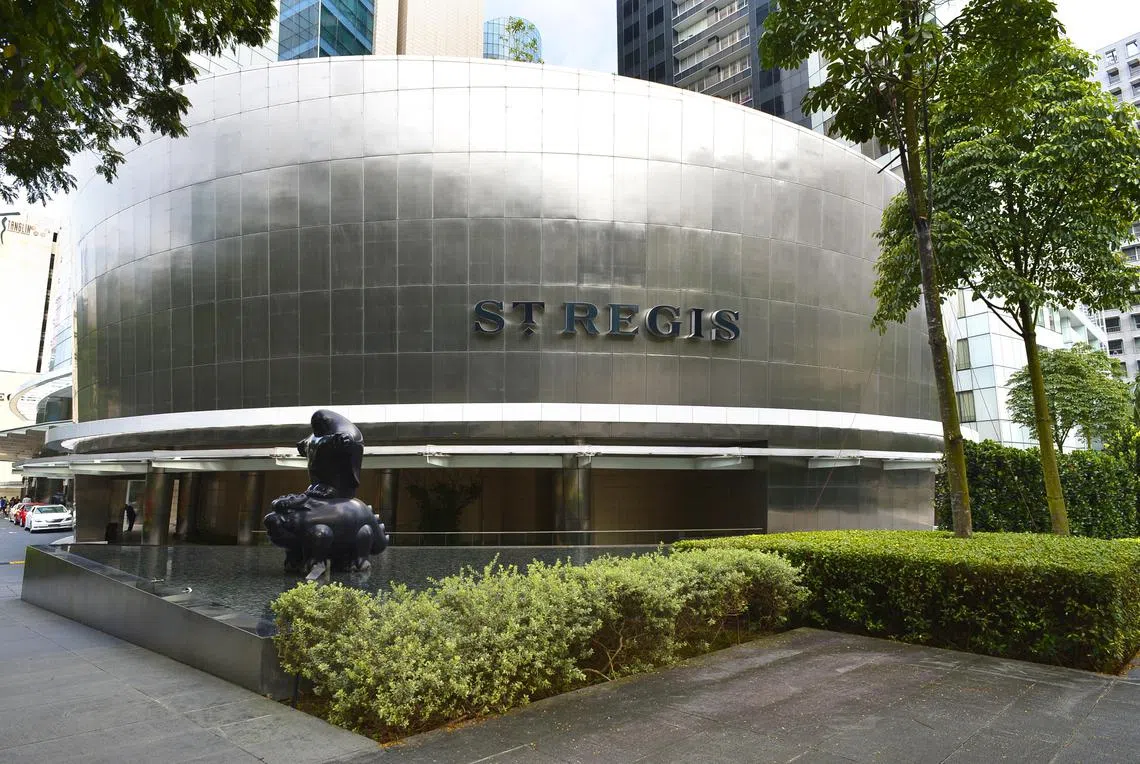
2007: Group CEO Peter Papadimitropoulos quits after six months on the job. He is the third CEO to leave within the last three years. Kwek Leng Beng tells the Financial Times that Papadimitropoulos’ management and leadership approach did not match that of the company’s. M&C opens St Regis Singapore in December, the first international luxury hotel to open in the city-state in a decade.
2014-2015: The company acquires three hotels in Rome, New York and London; opens one in Tokyo’s Ginza district; and signs on four hotels in Dubai.
2016: CEO Aloysius Lee quits, leaving after a two-year tenure. This follows M&C’s disappointing first-half performance, on the back of political and economic uncertainty, as well as structural changes within the industry.
2017: In May, a Singaporean who worked as a senior vice-president at Copthorne Hotels files a claim with the UK employment tribunal, alleging unfair dismissal and discrimination. He had worked at the company between 2012 and 2017. In October, CDL makes a bid to privatise M&C in which it owns a 65.2 per cent stake. The offer for the remaining 34.8 per cent of M&C for £624.3 million values the hotelier at about £1.8 billion, at a 21.4 per cent premium over the company’s 446.7 pence share price at the time. Minority shareholders criticise the bid as being too low. CDL raises its offer to 620 pence per share, valuing the company at £2.01 billion.
2018: CDL’s privatisation bid falls through. Group CEO Jennifer Fox steps down later this year, just three months after taking up the role. M&C’s 2018 net profit drops 65 per cent to £43 million from £124 million the year before. It cites headwinds that it expects to continue, including US-China trade relations, Brexit and increasing minimum-wage levels in many jurisdictions.
2019: CDL makes another attempt to take M&C private, valuing the company at £2.2 billion. The offer represents a 37 per cent premium to the company’s closing price of 500 pence then. The bid is successful and the company is delisted. M&C becomes a wholly owned subsidiary of CDL. Group revenue for the year falls 18.8 per cent to S$3.4 billion, although profit inches up 1.3 per cent to S$564.6 million. The hotel operations segment posts a loss of S$6.6 million due to impairment losses, transaction costs from M&C’s privatisation, and refurbishment costs. The Biltmore Mayfair also makes an operating loss of S$21 million.
2020: Covid hits, and hotels worldwide suffer as borders close and travel grinds to a halt. M&C falls into the red. CDL names veteran hotelier Clarence Tan as group CEO for M&C in April. He quits just four months after. At the half-year mark, CDL flags that it expects the hotel operations to see a pre-tax loss of between S$120 million and S$140 million. M&C announces 910 job cuts in its 20 hotels in New Zealand and another 159 in Singapore. CDL sells Copthorne Orchid Hotel & Resort Penang, following earlier hotel divestments in the US and Britain.
2021: CDL posts a S$1.92 billion loss for the 2020 financial year, dragged down by a massive S$1.78 billion write-down on its investment in China group Sincere Property. It notes that in the second half, group revenue fell 43.5 per cent on the year to S$1.04 billion, with hotel operations making up 81 per cent of the decline. Kwek Leng Beng says the group will review M&C’s entire portfolio and seek to unlock value. The group opens its first M Social properties in New York and Paris.
2022: CDL is back in the black with net profit of S$97.7 million for FY2021, as its hotels return to profitability. The group completes the divestment of Millennium Hilton Seoul and its adjoining land site for S$1.26 billion, at S$960.4 million over the net book value of the property. It estimates a gain of S$530 million from the sale.
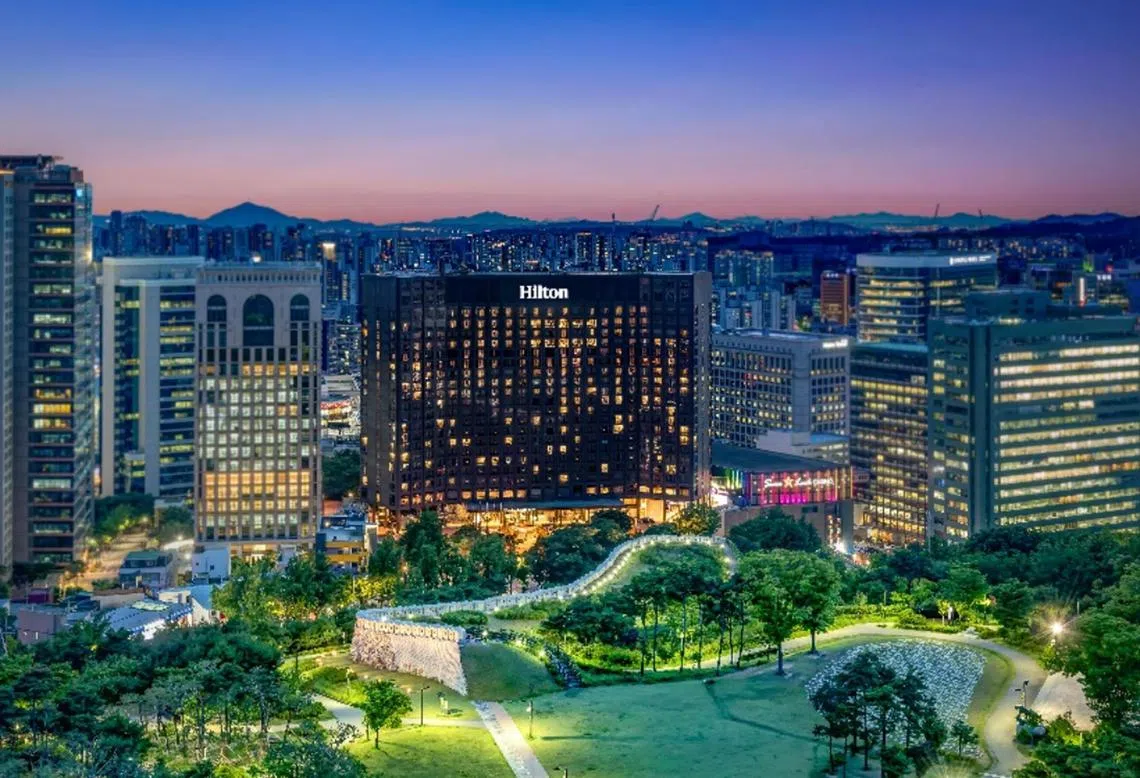
2023: The sale of the Millennium Hilton Seoul helps lift CDL’s FY2022 net profit to a record S$1.3 billion. The group says it will “accelerate plans for asset optimisation”. It acquires an 87.9 per cent interest in Australia’s Sofitel Brisbane Central hotel for A$177.7 million (S$159.2 million at the time). It buys another property in Myeongdong, Seoul, for 140 billion won (S$143.9 million), and one in Osaka, Japan, for 8.5 billion yen (S$79 million).
2024: The hotels segment posts firm results for FY2023, with China and Taiwan properties outperforming. CDL acquires the Hilton Paris Opera hotel from Blackstone for 240 million euros (S$350.2 million), ahead of the Paris 2024 Olympics.
January 2025: CDL attempts to privatise Millennium & Copthorne New Zealand (MCK). The proposal, at NZ$57.3 million (S$43.7 million), is a 25 per cent premium over its market value. But MCK’s independent directors reckon that the offer of NZ$2.25 per share is “too low and inadequate”.
February 2025: CDL posts a net profit of S$201.3 million for FY2024, a 37 per cent fall from a year ago, as group revenue falls 34 per cent to S$3.3 billion. Revenue for the hotels segment is up 8 per cent at S$1.6 billion as development revenue slides. The company abruptly calls off its results briefing and halts trading. News of the boardroom battle emerges.
March 2025: The lawsuit is discontinued. In his statement, Kwek Leng Beng says the board will focus on strengthening CDL’s business, including “globally, furthering the expansion of various brands under Millennium & Copthorne”.