

Home flippers return to Hong Kong on property price recovery
The transactions underscore impact from government’s move to scrap a tax on properties bought and sold within two years
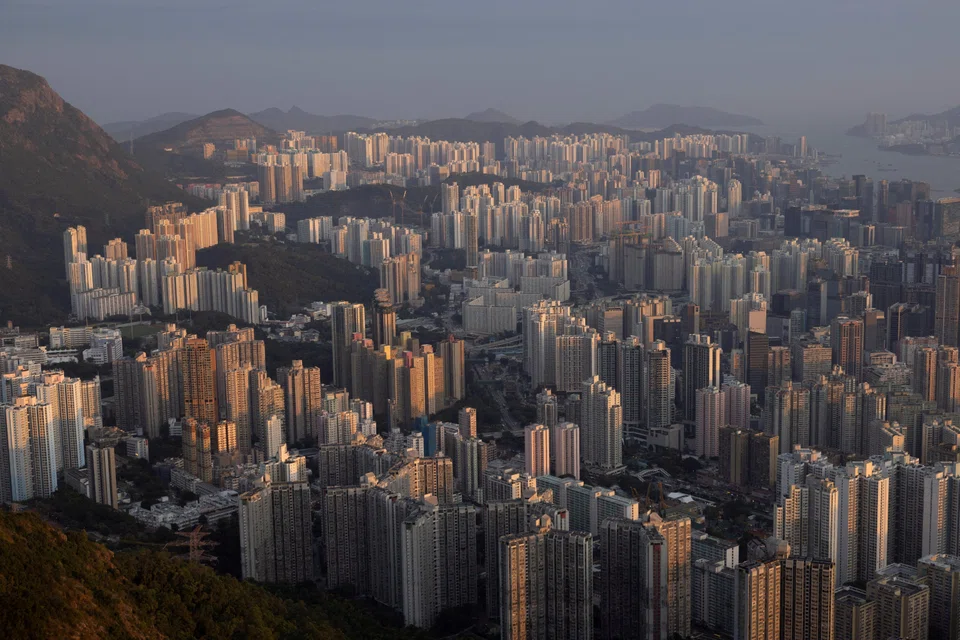
[HONG KONG] Hong Kong’s residential property recovery is luring back home flippers, as investors look to renovate and then sell to take advantage of rising prices.
The city recorded 586 sales within one year of purchase in the three months through April, according to data from Midland Realty. That is more than double the quarter before.
The transactions underscore the impact from the government’s move to scrap a tax on properties bought and sold within two years. While that decision came in 2024, it has taken the recent rebound in prices that began in the middle of last year to inject optimism into a market for people wanting to exit soon after buying.
Take Ken Lui, who said he has sold about a dozen apartments over the past year within 12 months of buying them. He reckons the market is still some way from overheating, and is not expecting the government to clamp down with cooling measures any time soon.
“In a rising market, if the right opportunity comes up to sell, I’ll consider locking in some profits,” said Lui, who oftentimes makes home improvements with renovations after he buys.
Home prices are up more than 10 per cent in the past year, government data showed. As for the flip trade, Midland Realty showed it was profitable 93 per cent of the time for properties sold in April.
Most of the quick reselling concentrates in new residential projects, helped by developers in recent years pricing units at a discount to clear inventory, offering room for owners to resell the properties when prices rise.
Some analysts expect first-hand sales to weaken while the second-hand market remains steady. As developers raise prices in a recovering market, it may be harder for investors to offload for a quick profit, according to Benny Sham, a research analyst at Midland Realty.
Sierra Sea, a project in the New Territories, recorded the highest number of such cases in April, according to Midland Realty. In a recent transaction, a two-bedroom unit was sold for a profit of almost 50 per cent – HK$2.46 million (US$313,623) – after the seller held it for just a year, making it the most profitable deal in the project, Centaline Property Agency said.
SEE ALSO







Tax changes in recent years helped stoke demand. In order to cool down an overheated property market, the government in 2010 introduced a levy targeting owners that sell within two years at as much as 15 per cent of the property value.
It scrapped that, along with a range of levies targeting speculators and foreign buyers, in early 2024 in a bid to revive the ailing industry. Quick resales finally took off after underlying prices recovered.
To be sure, recent sales are much less abundant than during past peaks of speculation in Hong Kong. In the late 1990s before the Asian financial crisis and around 2010, the property craze was so pervasive that people would carry out so-called confirmor sales, in which investors resold the homes even before the original transaction officially completed. In 2009 preceding the cooling measures, there were over 4,000 cases of confirmor sales, according to the government.
For now, the underlying driver of rising prices looks set to continue. Goldman Sachs Group predicts housing prices to rise 15 per cent in 2026 and another 7 per cent next year on strong user demand, rental growth and favourable immigration policies. BLOOMBERG
Decoding Asia newsletter: your guide to navigating Asia in a new global order. Sign up here to get Decoding Asia newsletter. Delivered to your inbox. Free.
Share with us your feedback on BT's products and services
TRENDING NOW

Once staunchly pro-China, Malaysian Chinese businesses are now distancing themselves from Beijing

Looking beyond looming CEO succession, should UOB potentially pursue a transformative merger?

Could stablecoins be the future of money?

Grab CEO’s wife Chloe Tong on life with Anthony Tan and finding her purpose

