Indranee cites value of urban design at URA roundtable
The inaugural forum seeks to encourage stakeholders to communicate and collaborate to create sustainable urban environments that prioritise human connectedness, inclusivity and enhance the quality of life
 Add BT as a preferred source
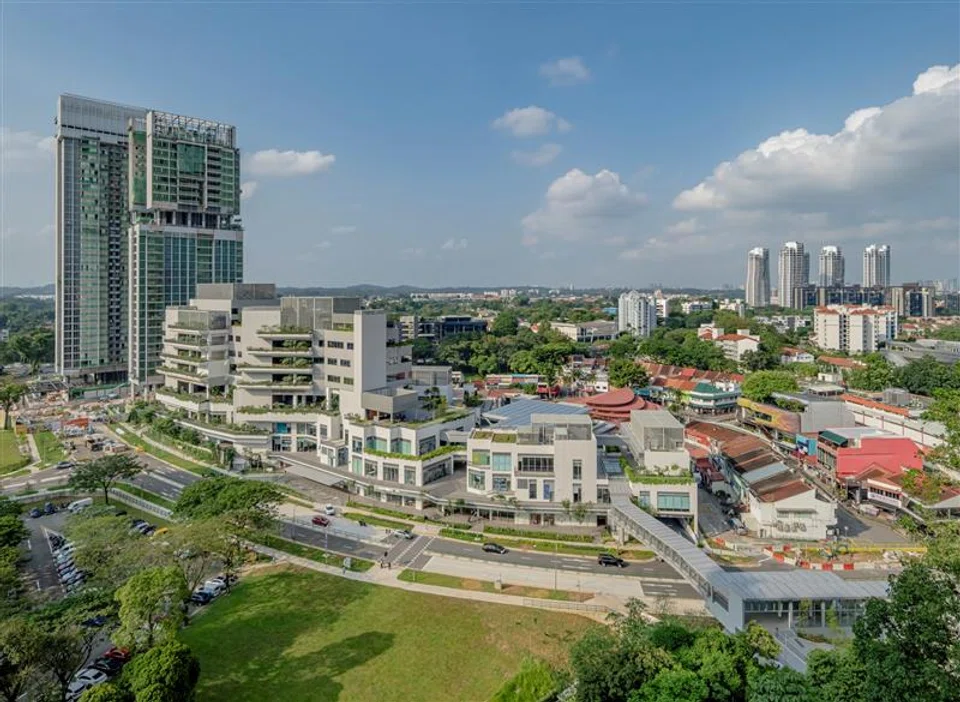
THE Urban Redevelopment Authority (URA) on Wednesday (Nov 13) launched the inaugural Urban Design Roundtable – titled “Shaping Liveable Cities through Urban Design” – for industry professionals to share ideas and insights on the role and impact of urban design in shaping cities.
The event, held at School of the Arts Drama Theatre, was graced by Indranee Rajah, Second Minister for National Development and Finance, and Minister in the Prime Minister’s Office.
In her speech, Indranee said that urban design affects everyone.
“It shapes the spaces where we live, work and play, bringing life to our city and making it distinctive, dynamic and memorable,” she said. “When urban design is done well, we often do not notice the thoughtful decisions behind it”.
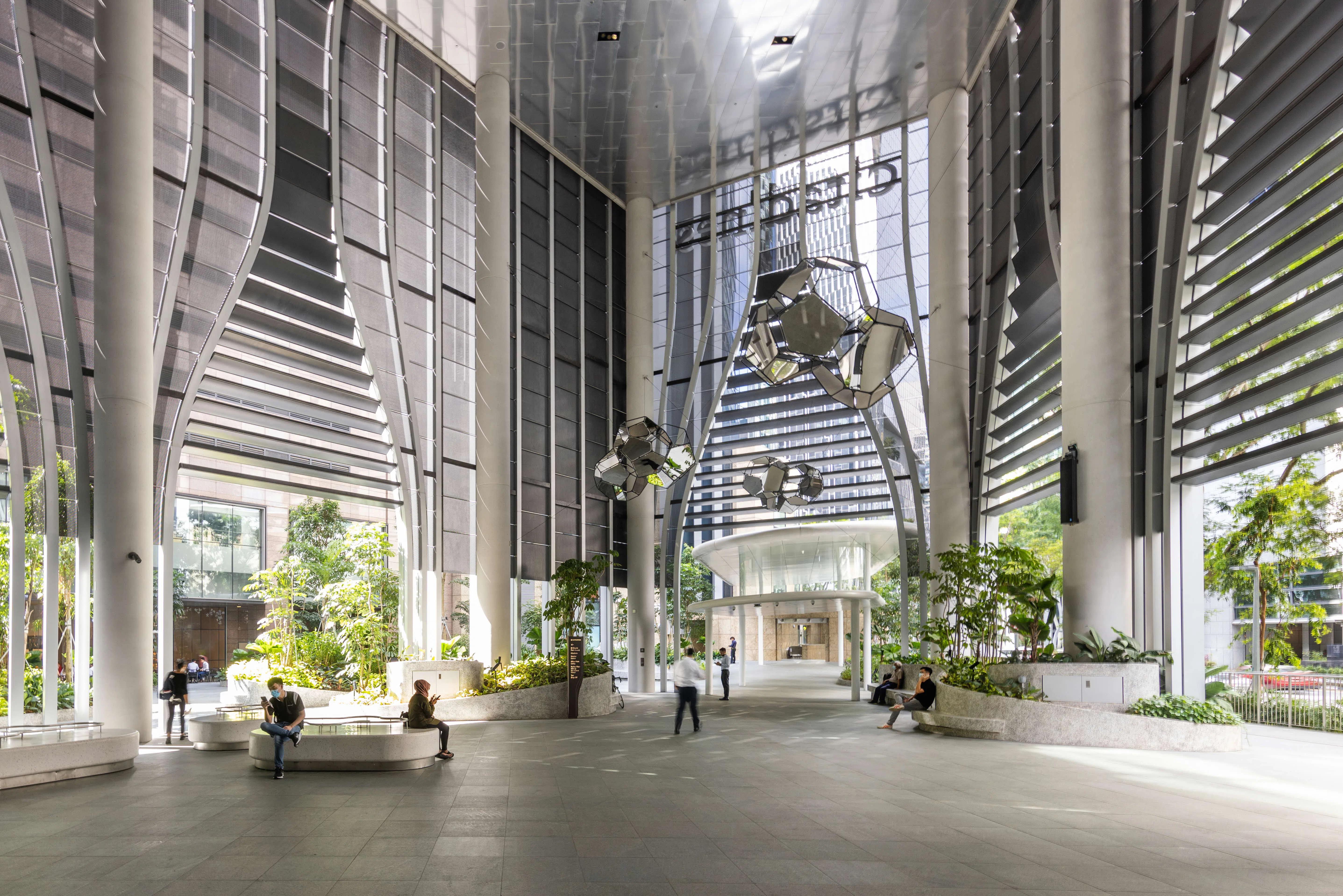
She said that the invisible power of urban design is the thoughtful planning process that harmonises movement, nature and people in an urban environment.
Urban planners, architects and designers have an important role to play in balancing functionality, comfort and community during the planning design stage, she added.
“I am glad that this Urban Design Roundtable has brought together such a diverse group, allowing us to learn from one another in our journey to shape sustainable, vibrant and liveable cities,” she said.
URA said that the roundtable aims to “facilitate open dialogue and discourse covering different perspectives of international best practices in urban design responses to urban issues”.
The forum seeks to encourage stakeholders to communicate and collaborate to create sustainable urban environments that prioritise human connectedness, inclusivity and enhance the quality of life, added URA.

The agency also hopes that the roundtable will help to raise awareness and deepen industry and community’s appreciation of urban design efforts in Singapore.
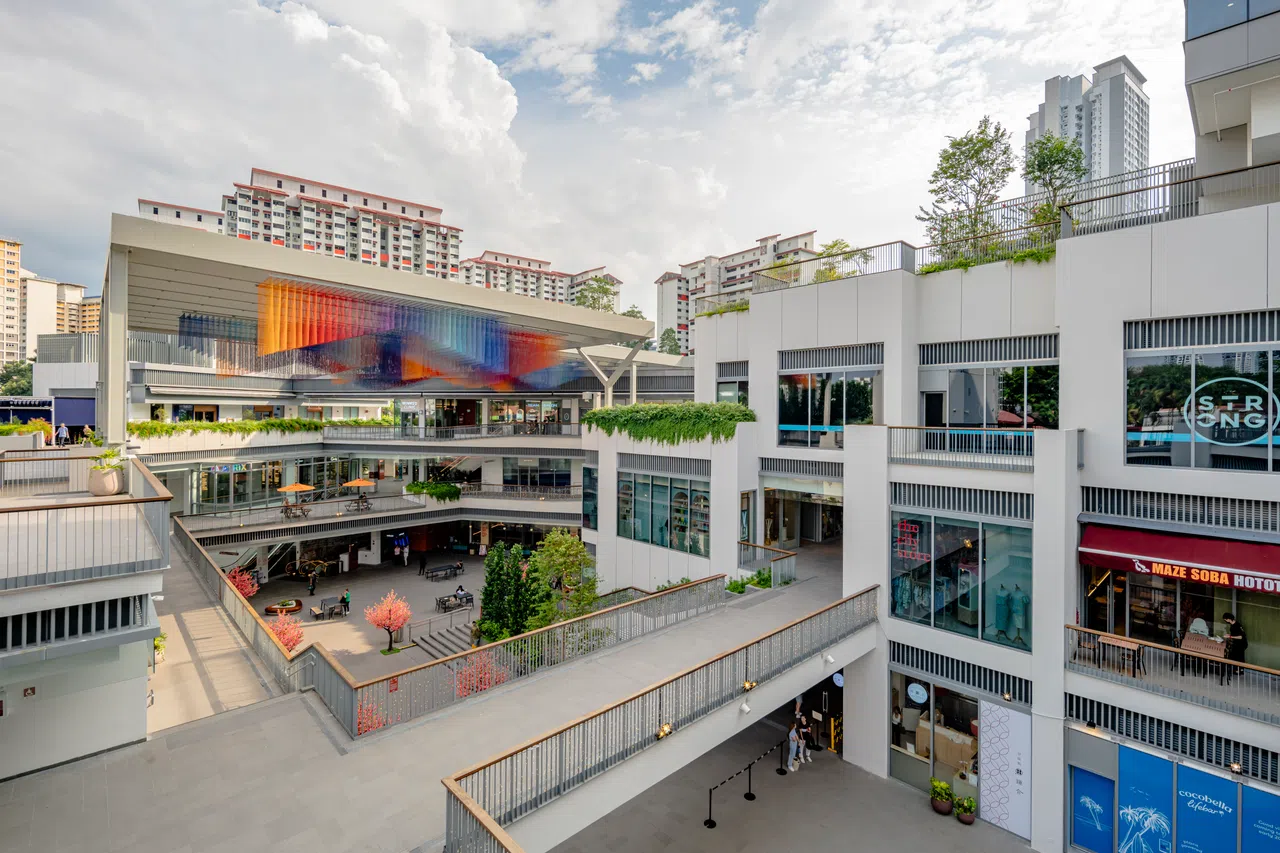
As a small city-state of 735 square kilometres, Singapore needs to cater to wide-ranging land demands, while balancing economic growth, social inclusivity and environmental protection. In addition to its land use planning function, URA has led and grown the urban design practice in partnership with the public, private and people sectors.
“Urban design strategies have to adapt to changing socioeconomic factors, with urban design being a highly collaborative, multidisciplinary practice that leverages new areas of knowledge, like sustainability design principles, biodiversity considerations and urban spatial analytics,” it said.
The authority said Singapore’s practice in urban design is grounded in nine key elements – urban pattern, building form, pedestrian network, open space, streetscape, night lighting, greenery, roofscape and vehicular access – for industry practitioners to consider when they design the multiple aspects of the build environment.
The minister also spoke of four guiding principles for urban design that shape Singapore’s urban environment.
First, contextual design – urban design should integrate buildings and spaces thoughtfully into their surroundings.
Second, connectivity – urban design should allow for seamless and comfortable movement across work, home and community spaces.
Third, community-centric and inclusive spaces that welcome people of all ages and disabilities, fostering a sense of belonging and social cohesion.
Fourth, inspiring and delightful spaces - urban design should create cities that “spark joy and wonder” beyond functionality.
She lauded Marina Bay for encapsulating the four principles. With low-rise buildings at the waterfront and skyscrapers in the background, the area offers a cosy, intimate experience at the waterfront, while showcasing the skyline as a dramatic backdrop. Restaurants with outdoor dining areas, public spaces and a boardwalk with public art and seating encourage people to linger.
The roundtable marked the completion of a collection of four Singapore urban design guidebooks by URA, which was launched in conjunction with the agency’s 50th anniversary celebrations.
The collection marks the first time that urban design work has been documented in the Republic, and features case studies that reflect the challenges and considerations when shaping places in the country.
The guidebooks feature URA’s past and current urban design efforts in planning and designing Singapore, plus the contributions from partner agencies, developers, building owners and industry professionals.
Decoding Asia newsletter: your guide to navigating Asia in a new global order. Sign up here to get Decoding Asia newsletter. Delivered to your inbox. Free.
Copyright SPH Media. All rights reserved.