

Investors still banking on Singapore co-living as hospitality play
But industry costs could put the squeeze on smaller providers that lack access to entire properties
IN THE run-up to the pandemic, co-living looked like the next big thing. Easy money was pouring into car-sharing, platform gigs, co-working spaces – and “dorms for grown-ups”, as an The Atlantic headline from 2015 called the sector.
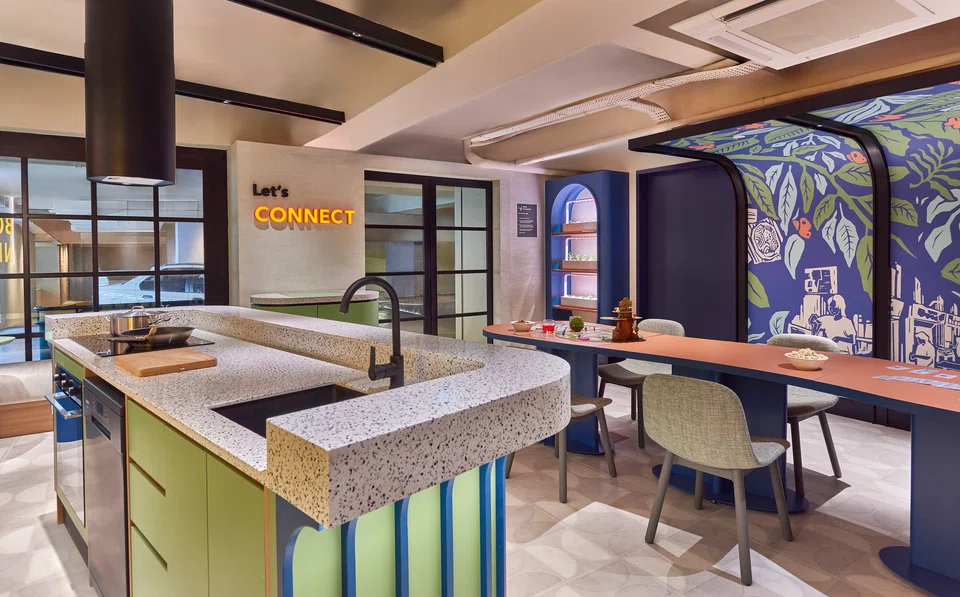
Now, bigger co-living players are converging on the traditional hospitality market, with products that look almost indistinguishable from hotels and serviced apartments. But these providers are also hip to the demand for flexible lease options, which analysts believe could continue to open up new products in the residential sector here and regionally.
“When the first few co-living players came to Singapore, around eight to 10 years ago, the market surprised me on the upside,” Desmond Sim, chief executive of Edmund Tie, told The Business Times. Today, he finds the market situation here stable and healthy – if still “relatively niche” – and added: “It remains attractive for those who know how to manage (the spaces).”
Major deals
This January, CapitaLand’s wholly owned Ascott arm and CapitaLand Wellness Fund jointly picked up Hotel G in Middle Road for a reported S$238 million. The transaction was among the top five private investment sales in the first quarter, and came alongside two other major hotel deals – the sale of Citadines Mount Sophia to Weave Living and Blackrock; and of Capri by Fraser, Changi City to another consortium.
Ascott has reopened the former Hotel G as lyf Bugis – the fourth property under that brand in Singapore. Notably, though, the company – which inaugurated lyf Funan as “the largest co-living property in South-east Asia” in 2019 – has moved away from the original position of the lyf brand.
Instead, Ascott now bills lyf as a provider of “experience-led social living” and a “multifaceted hospitality experience with flexible typologies”. Adeline Phua, managing partner for lyf, cited the properties’ shared facilities such as communal kitchens, laundry rooms, and co-working spaces.
Ascott told The Business Times that an average of 15 to 20 per cent of guests stay last longer than a month – a figure that excludes lyf Bugis, which focuses on what the company terms “transient business”.
As Phua described the group’s newest opening: “We are actually a hotel, but also in a hybrid kind of format where you also use it as a living product.”
In fact, lyf Funan and lyf Bugis hold hotel licences. Lyf Farrer Park – as well as lyf one-north, which is under CapitaLand Ascott Trust – are approved for use as service apartments.
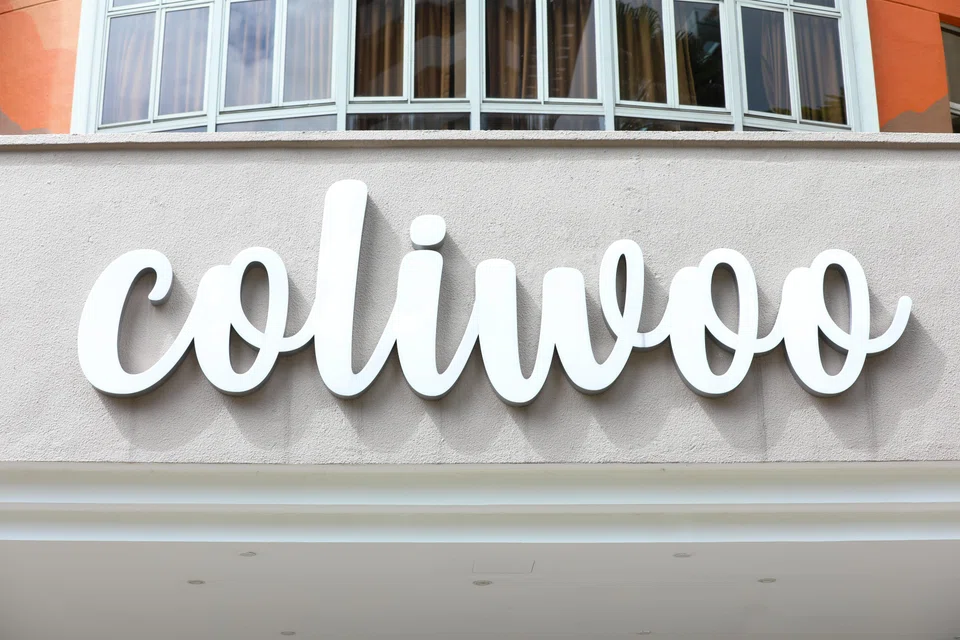
Mainboard-listed LHN Group – which owns the Coliwoo brand – also operates either hotel sites, with a minimum one-night stay, or serviced apartments, where stays must last at least a week. Some 30 per cent of bookings are for short stays, while overall portfolio occupancy was more than 90 per cent as at end-June, according to the company.
Chairman and managing director Kelvin Lim noted that Coliwoo’s product is now similar to traditional serviced apartments. He spoke to BT at Coliwoo Orchard in Mount Elizabeth Link, which used to operate as Fraser Residence Singapore. LHN signed a lease for the building in 2021.
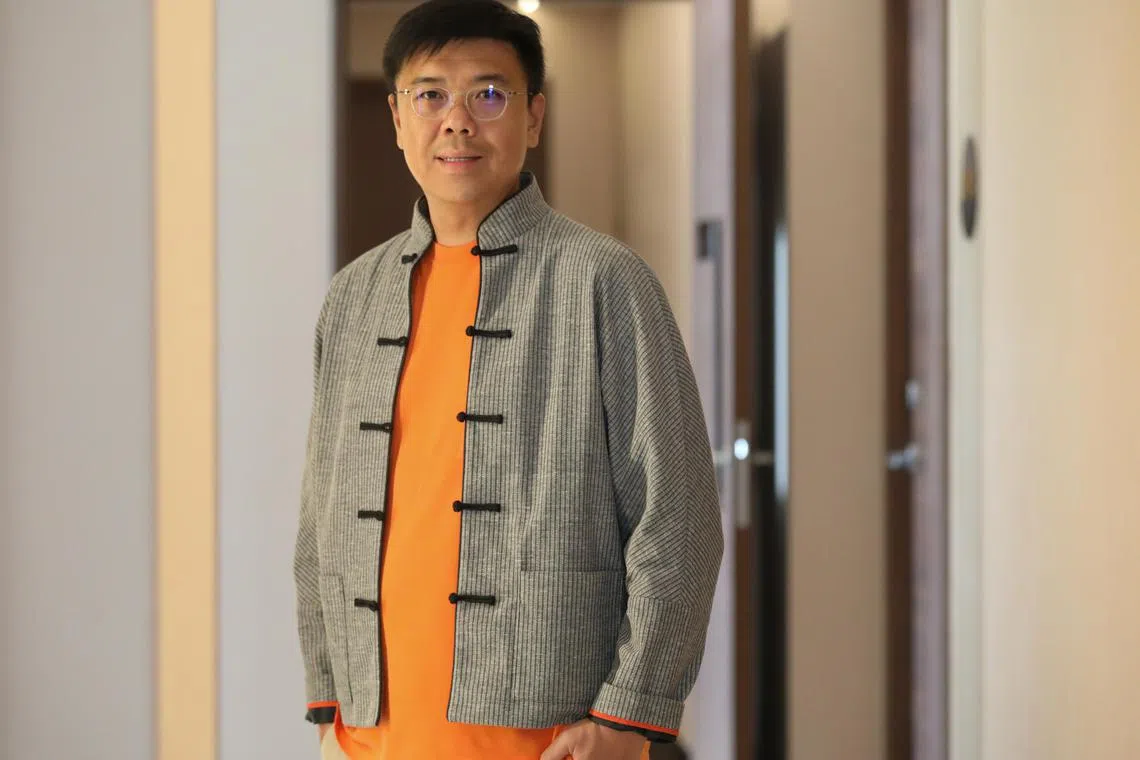
“Other co-living operators will mainly operate out of residential units which require a minimum stay of three months and above,” Lim said, referring to prevailing Urban Redevelopment Authority regulations on minimum lease periods for residential properties. “People choose co-living because it is flexible, so… your leases should not be too long. Three months may be too long for people who are being posted to different cities.”
Germany-based housing operator Habyt, which merged with home-grown co-living startup Hmlet in 2022, also has its eye on the short-term rental market. About 60 per cent to 70 per cent of its guests are on short stays, according to Asia-Pacific chief executive Jonathan Wong.
He said that half of Habyt’s Singapore sites have hotels or serviced apartment licences: “There’s a gap in the market… So what we want to do is continue building out that product segment of allowing people to stay a little bit shorter than three months, but more affordably than staying in a hotel.”
Lean machines, room for growth
Besides running owner-operated premises, co-living players are also banking on traditional hospitality business models – such as management contracts, master leases, and joint ventures (JVs) between investors and operators – to fuel aggressive expansion.
Most lately, CapitaLand Ascott Trust announced on Oct 1 that it would buy lyf Funan for S$146.4 million from Victory SR Trust, then enter into a master lease with Ascott for an initial term of 20 years.
Meanwhile, more than three-quarters of the 2,401 room keys at LHN’s Singapore co-living projects are under a master lease, while the rest are owned or part of a JV, as of mid-2024. Several Coliwoo-branded properties, such as 471 Balestier Road, have also been leased to Habyt.
Still, industry costs could put the squeeze on smaller providers that lack access to entire properties.
“A lot of co-living operators in Singapore are just doing a ‘second landlord’ kind of role,” said lyf’s Phua, referring to a middleman position. “But, if you look at pricing rentals, individual landlords – where they got their units from – are able to fulfil that. They don’t necessarily need operators.”
Despite falling expat numbers and growing housing supply, there is still potential demand for co-living options in Singapore.
Tricia Song, CBRE’s Singapore and South-east Asia research head, told BT that “a higher proportion of (the) younger generation could still choose to rent instead of buy” on the back of changing lifestyles and preferences, as home prices and interest rates stay high. That is even as she also noted that rental demand may ebb from pandemic levels, as more stock comes on the market and remote working becomes less common.
CBRE recently rated co-living its most recommended housing type for Singapore investors, with analysts observing that high private rentals “make co-living an affordable option”.
But, if traditional rental prices serve as an unofficial market benchmark, is it a race to the bottom?
After all, Wong from Habyt said: “Co-living is not intended to be a premium residential product; it’s meant to be a very affordable or value-oriented option to live in the best parts of Singapore by being able to share a common area.”
Similarly, LHN’s Lim said that the main difference between Coliwoo and other serviced apartments is its target audience: professional executives with a smaller budget than well-heeled C-suite clientele.
Yet Lim is not concerned that private rentals may act as a ceiling, “because we are fully fitted, fully serviced – we are skilled towards hospitality”. Ascott’s Phua also distances her brand from the slice of the market where “you are really only competing on price”.
To be sure, Habyt’s Wong acknowledged that competition is still keen in the co-living space, where “there’s a lot of folks who are offering a core proposition which is similar”. Still, he said: “We see our main competition not so much as any other co-living type operator, but really the traditional rental market.”
TRENDING NOW

Government to bring forward raising of retirement age, give employers more financial support to create flexi-load jobs
Former minister Maliki Osman, Revolut chairman join Asia Gulf Holdings advisory board

Is Manila Asia’s new dining hot spot?

Simba at risk of losing operating licence over spectrum misuse

