Japan developer sells 10b yen of debt to individuals
Tokyo Tatemono's offering is the first in more than a decade and comes after robust sales of top-floor condominiums in the capital costing more than US$3m
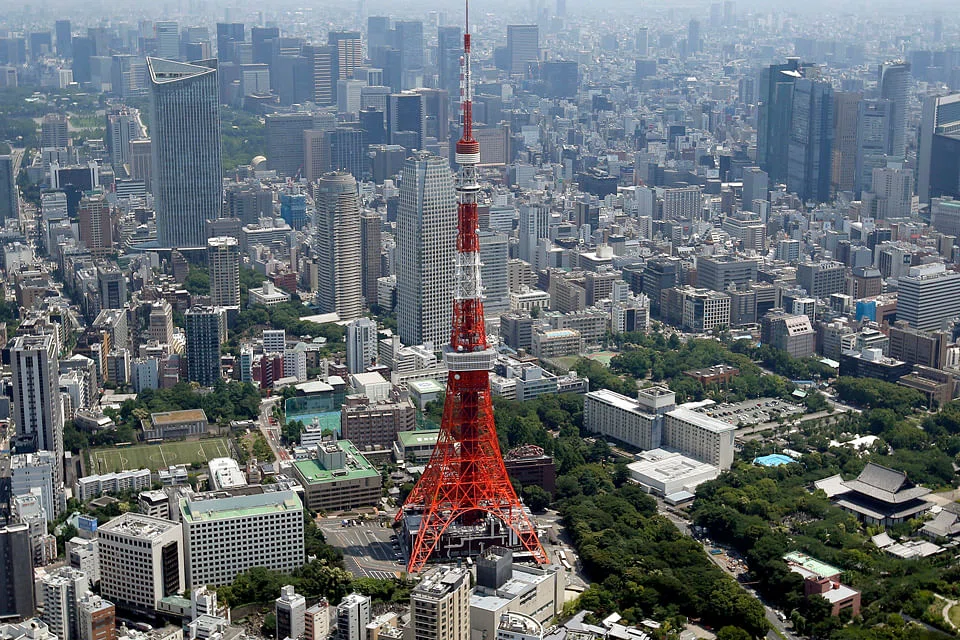
Tokyo
TOKYO Tatemono Co sold the first bonds by a Japanese property developer to individuals in more than a decade after strong sales of top-floor condominiums in the capital costing more than US$3 million.
The 119-year-old real estate company issued 10 billion yen (S$110 million) of debt to individuals this month in its first such offering to help fund the development of apartments. The six-year notes had a coupon of 0.59 per cent, compared with as little as 0.04 per cent on a fixed bank deposit account of the same maturity.
Japan's largest property developers including Mitsubishi Estate Co and Mitsui Fudosan Co plan to spend more than US$15 billion on property developments in the next three years, as parents now get more tax breaks on gifts to children to acquire residences. Mitsubishi Estate sold out luxury apartments in what is set to be Tokyo's largest residential building the day they went on sale earlier this year, with units selling for as much as US$2.8 million.
"We are seeing property developers looking to access individual money," said Kenji Serizawa, an analyst in Tokyo at Daiwa Securities Group Inc, Japan's second-biggest brokerage. Real estate firms may also look to sell other types of bonds as they seek to diversify funding, he added.
Tokyo Tatemono is raising funds from individuals after bank loans to the property industry, excluding households, reached a record 3.82 trillion yen in the three months ended March 31, central bank data show. The average price of new condominiums sold in central Tokyo has climbed to 62.2 million yen in the first four months of 2015, 26.5 per cent more than the average price a decade ago, according to the Real Estate Economic Institute Co in Tokyo.
Borrowing costs have plunged in the world's third-largest economy on Prime Minister Shinzo Abe's stimulus policies to overcome deflation. The extra yield on Tokyo Tatemono's four-year notes due in 2016 has dropped 56 basis points to 18 basis points over sovereign debt compared with its post-issuance high in February 2013.
"Both the office rental and condominium businesses are doing well because of Abenomics" at Tokyo Tatemono, said Mr Serizawa. The tighter spreads "reflect the extremely good fund-raising environment for the real estate sector", he added.
Tokyo Tatemono's probability of debt non-payment within one year has dropped to 0.39 per cent from about 0.61 per cent a year ago, according to the Bloomberg default-risk model, which considers factors such as share prices and debt levels. The gauge suggests a credit rating of the lowest investment grade.
The developer is selling apartments under the Brillia name in central Tokyo at a maximum price of more than 400 million yen. Developers are boosting investment ahead of the Tokyo Olympics in 2020 with Mitsui Fudosan, Japan's second-largest real estate company by market value, planning to spend more than one trillion yen on projects to 2017.
Tokyo Tatemono is offering a professional house cleaning service to 100 investors in its Brillia notes that replied to a questionnaire, the company said on June 30.
The developer follows companies such as wireless carrier SoftBank Group Corp and Kintetsu Group Holdings Co, an Osaka-based railway, in selling bonds to individuals. SoftBank issued a record 1.1 trillion yen of such notes in 2014.
"Individual investors are focused much more on chasing financial products that provide extra yields," said Takashi Ishizawa, a senior researcher in Tokyo at Mizuho Securities Co. BLOOMBERG