

Japan property draws global money, but easy gains fade as rates rise
Commercial real estate investment volume reach a quarterly record of US$13.9 billion in Q3, up 4% from a year earlier
[TOKYO] Global funds are pouring money into Japanese real estate despite rising interest rates and development costs, with investment concentrated in central Tokyo and Osaka offices, hotels and mixed-use projects, investors and property advisers said.
The return of inflation in Japan has fuelled the interest across prime offices, hotels, retail, logistics facilities and data centres, as a mix of strong demand and tight vacancies lifts rents and underpins value-add investment strategies.
The inflows are another vote of confidence in Japan‘s economic revival after a record-setting stock market rally. Investors are betting that rising prices, higher wages and corporate reform can finally produce durable growth in rents and asset values after a sustained period of deflation.
“The market is totally different now than before. We now have inflation. We now have rates. But it also means we have growth,” said Ikushin Tsuchida, managing director for real estate at Brookfield. “Investor appetite is very strong for assets that can grow cash flow as the macro cycle is inflationary and operating costs are going up.”
Commercial real estate investment volume reached a quarterly record of 2.21 trillion yen (US$13.9 billion) in the third quarter, up 4 per cent from a year earlier, according to CBRE. Overseas investors accounted for 775 billion yen of purchases, up 30 per cent.
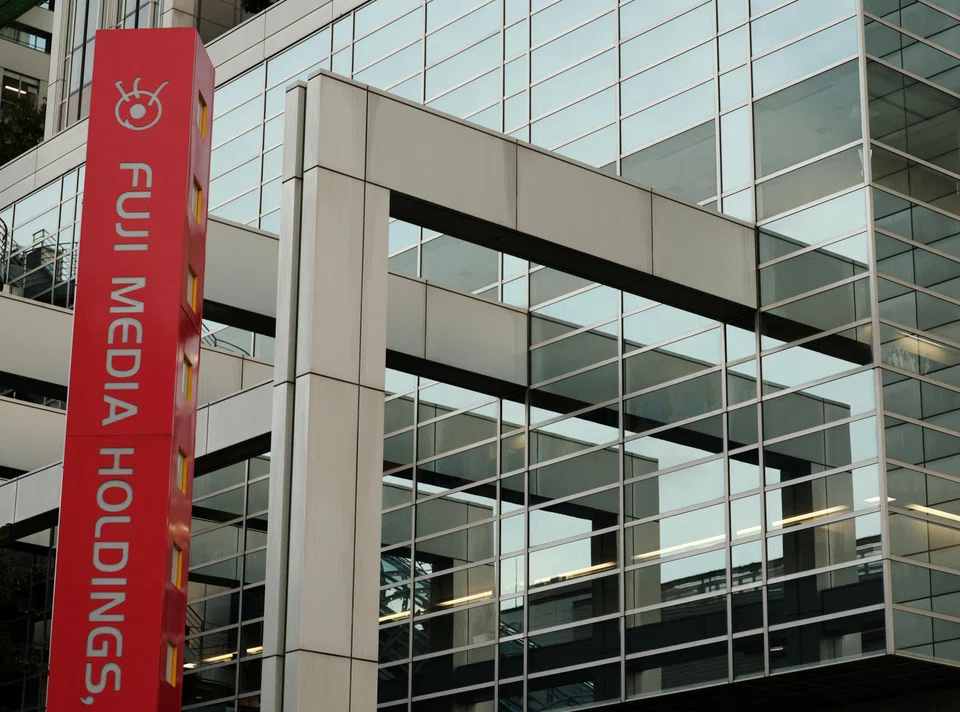
Reuters has reported that Fuji Media Holdings’ sale of its Sankei Building unit, which could be valued at around one trillion yen, including debt, has drawn bids from international firms Blackstone, Bain Capital, Warburg Pincus and BGO.

Central Tokyo is a focus for investors seeking income growth, particularly in supply-constrained districts.
Colliers said that Tokyo office rents have risen as the vacancy rate fell to 1.1 per cent, and Savills said that in Ginza, the capital’s famous luxury shopping area, there was a brief period this year when there were no retail vacancies.
Japan-focused real estate funds raised US$4.66 billion across 45 funds in 2026 as at Nov 25, nearing 2025’s total of US$4.99 billion and a total of US$5.21 billion reached in 2022, Preqin Pro data showed.




Challenges from rates and yen
While funds are flowing into the sector, investors still need to be selective.
“The real differentiation for foreign investors is in core-plus and opportunistic strategies, refurbishing older assets, improving operations and tenant mix, and creating value rather than simply acquiring property,” said Teppei Takanabe, Goldman Sachs’ co-head of investment banking in Japan.
Core office investments financed largely with debt have become less attractive than they were six to nine months ago, said Neil Brookes, head of Asia-Pacific capital markets at Savills. However, he added that investors using more equity can still benefit from rental growth in supply-constrained areas.
Buyers of conventional offices or apartments with yields of 2.5 per cent to 3 per cent face the greatest exposure if rates rise faster than expected, Warburg Pincus CEO Jeffrey Perlman said at an industry conference in Singapore in September. “If rates surprise by an extra 25, 50 basis points above the trajectory, equity could get materially impaired,” he added.
The yen presents another challenge. A weak currency can lower the entry price for dollar-based investors, but sharp swings can erode returns when sale proceeds are converted back into foreign currencies, said Benjamin Cha, CEO and founder of Serakai, a real estate investment firm. “Whatever level the yen is at, (we would prefer) a little bit more predictability, less volatility,” Cha noted.
Growth opportunities
While central Tokyo and Osaka are drawing the bulk of interest, logistics and data centres on the outskirts of the cities are also attractive to foreign investors.
Khoo Seow Fong, head of Japan real estate for Singaporean sovereign wealth fund GIC, said that logistics and hospitality were “tailwind sectors”, alongside deals arising from sales of non-core real estate as part of broader balance-sheet reform.
Yosuke Fujioka, a partner at Ares Management and head of its Japan investments and portfolio management, pointed out that modern logistics facilities account for only about 8 per cent of Japan‘s total logistics stock, and that slower construction, resilient demand, e-commerce and supply-chain upgrades should support rents.
Data centres are attractive because of Japan‘s large digital economy, political stability and top-tier tenants, said Sigrid Zialcita, CEO of the Asia Pacific Real Assets Association, though the sector faces separate concerns due to higher capital costs and growing public opposition. REUTERS
Decoding Asia newsletter: your guide to navigating Asia in a new global order. Sign up here to get Decoding Asia newsletter. Delivered to your inbox. Free.
Share with us your feedback on BT's products and services
TRENDING NOW

From everyday payments to cross-border connectivity: How DBS is shaping the next wave of digital payments with PayLah!

Nvidia halts chip shipments to 4 countries in South-east Asia, including Singapore: FT

MAS green-lights retail investor access to wider range of complex funds, but excludes private-market funds

Yangzijiang Maritime eyes 2027-2028 profit surge on newbuild deliveries

