

Japan's elderly priced out of homes in Tokyo
Migration of elderly people to non-metropolitan areas has started regardless of whether they like it or not
Tokyo
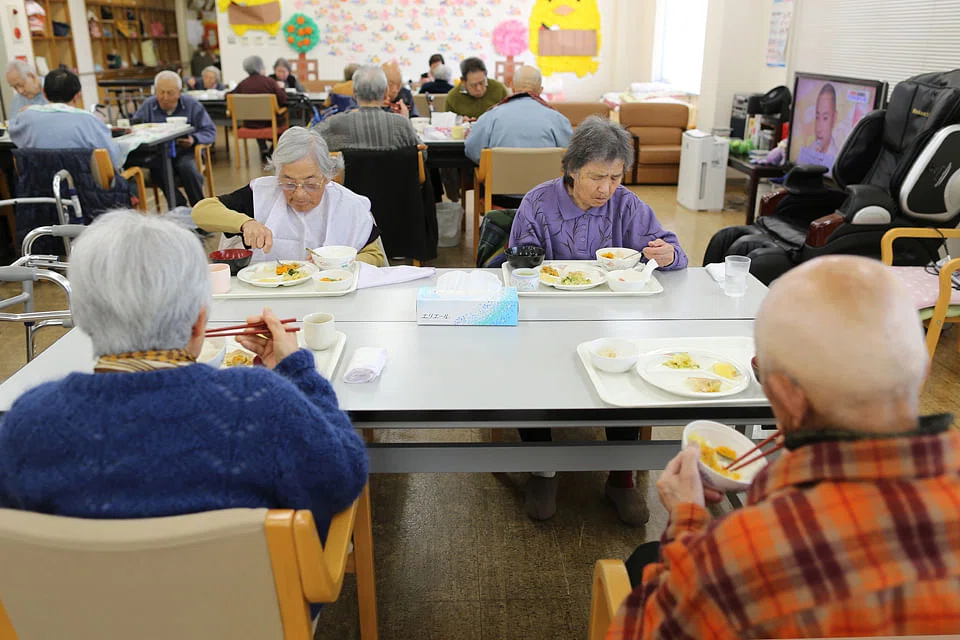
"I HAVE nothing to look forward to," a 77-year-old man, who always wears pajamas, said while sitting on his bed. "I've just given up." It has been two years since he moved to this home for the aged in a remote place far from the bustling area of Tokyo's Shinagawa Ward where he had lived for more than 40 years. It takes about two hours by train and car from central Tokyo to get to his new home.
After graduating from a middle school in Saitama Prefecture, the man worked for a small factory and a store in Tokyo. He has never married and lived at a corporate dormitory and other places. He enjoyed watching movies and playing mahjong with friends on holidays.
Several years ago, however, he became ill and was hospitalised. After he was discharged from the hospital, he was admitted to a health care facility for the elderly. In just three months, however, he was urged to leave the facility because he was judged to be healthy enough to return home.
He could not get into a special nursing home for the elderly in Tokyo because there were too many applicants. He had no home to return to, and his relatives could not afford to take him in. With a referral by an official of a health care facility, he was able to find a place at last. It was the only facility he could get into. As there are no places he can visit near the facility, the man said: "All I do is sleep and eat. I just lounge around all day."
With symptoms of dementia, he is receiving nursing care at the home. The total expense of living there is reasonable - 130,000 yen(S$1,423) per month, including rent, meal expenses and nursing care fees.
"There are not many facilities in Tokyo where you can afford to live on a small pension," said a manager of the home that accepts many elderly people from Tokyo. "They have nowhere else to live." In the next 10 years, the number of people aged 75 or older, who require more medical and nursing care services, will increase by 500,000 and reach about 2 million in Tokyo, while Osaka Prefecture will see a rise of 460,000 and hit 1.5 million or higher.
The government says elderly people should continue living where they are used to living, but is that really sustainable?
"Migration to non-metropolitan areas should be made a policy of the government," said Hiroya Masuda, former internal affairs and communications minister.
Mr Masuda, who chairs the Japan Policy Council, a private panel of experts, proposed on June 4 a new lifestyle for elderly people that would see them move to, and settle in, non-metropolitan areas while they are still healthy and active.
In reality, however, the migration of elderly people to such areas has already started regardless of whether they like it or not.
In March, an elderly woman was admitted to Uenohara Hospital in Sakuragawa, Ibaraki Prefecture, located to the south of Mt Tsukuba. She is one of many senior citizens who was transferred from Tokyo to the hospital, which has about 200 beds for long-term hospitalisation.
The woman, in her 70s, lived alone in a condominium in central Tokyo. However, she was rushed to an emergency hospital last year and diagnosed as having had a stroke. While being transferred from one hospital to another, she developed symptoms of dementia. A legal guardian was assigned to her to manage her assets. Unfortunately, the guardian found it financially difficult to keep the woman in the medical system in Tokyo with her pension, even if her savings were withdrawn and used for treatments.
She is now bedridden and is no longer able to talk. A majority of inpatients at the hospital were transferred from Tokyo and neighbouring prefectures. Many of them live out the rest of their life there.
"We have more and more inquiries from people looking for hospitals where their elderly family members can afford to stay within the range of their pensions," said a medical care coordinator of the hospital. WP
TRENDING NOW

Temasek’s Wan Chee Foong to helm PIL, Lars Kastrup to be board adviser

Chagee, Mixue and Luckin won the market. Sustaining their edge is the harder part

He built the Vingroup empire. Now South-east Asia’s richest man is handing some key roles to his sons

One-third of Singapore-listed firms at risk in severe AI downturn: MAS

