South Korea’s president slammed for selling home, giving buyer generous mortgage
Lee Jae Myung is accused of undermining the spirit of his own housing policies
 Add BT as a preferred source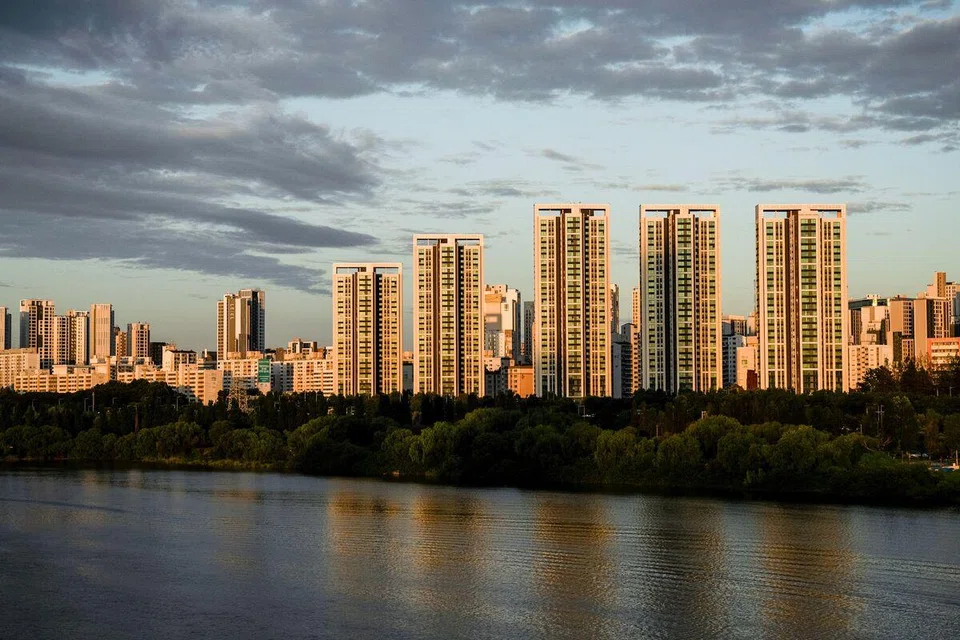
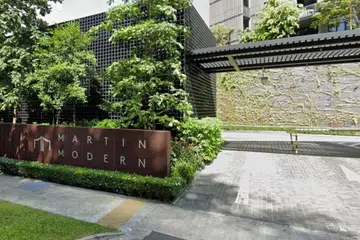
[SEOUL] South Korean President Lee Jae Myung’s attempt to set an example by selling his apartment in support of the government’s housing supply drive has instead highlighted the financing constraints facing ordinary homebuyers, fuelling criticism of his administration’s lending policies.
Registry filings show that the buyers of the apartment in Seongnam, south of Seoul, which Lee jointly owned with the first lady, paid just 40 per cent of the 2.9 billion won (US$1.9 million) sale price upfront, receiving a mortgage to cover the rest of the sale price from the presidential couple.
The move allowed the buyers to complete the transaction while postponing payment of 60 per cent of the purchase price. The arrangement, commonly known in South Korea as seller financing, allows a buyer to obtain credit directly from the seller instead of a financial institution.
It is legal but relatively uncommon in residential transactions. The deal has drawn attention because it came as Lee’s administration tightens mortgage regulations to cool one of South Korea’s strongest housing rallies in years. The restrictions have sharply reduced the amount prospective buyers can borrow from banks, making home financing increasingly difficult even as apartment prices continue to climb.
The Blue House said the mortgage reflected “the buyer’s circumstances,” adding that Lee sold the apartment below prevailing market prices despite having no legal obligation to dispose of the property. It said the sale demonstrated the president’s commitment to the government’s property market normalisation efforts.
The deferred payment amount – 1.77 billion won – is well above the standard 200 million won mortgage cap imposed on regular buyers of similarly priced apartments by Lee’s administration, triggering sharp criticism from opposition politicians.
The People Power Party accused Lee of undermining the spirit of his own housing policies, arguing that the transaction effectively allowed the buyers to bypass borrowing constraints by obtaining financing directly from the seller rather than a bank. Opposition lawmakers called on Lee to disclose further details of the arrangement.
The deal also fuelled criticism on social media, where users said it highlighted how seller financing can provide an alternative source of funding that is unavailable to most households relying on bank mortgages.
The controversy comes as Lee’s administration broadens efforts to rein in rising home prices. Under the latest lending rules, buyers can borrow a maximum of 600 million won for homes valued at up to 1.5 billion won. The cap falls to 400 million won for homes priced between 1.5 billion won and 2.5 billion won, and to 200 million won for properties above that threshold.
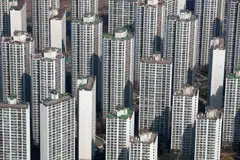
Mortgage limits have turned South Korea’s capital into one of the most restrictive home-loan markets in the world, effectively locking out many potential buyers as prices advance further out of reach.
Just last month, the government designated areas tied to the semiconductor hubs as speculative zones subject to tighter lending rules and land transaction permits after home prices surged on expectations surrounding semiconductor investment and improved transport links.
The latest restrictions followed earlier measures targeting Seoul, where apartment prices have increased for 76 consecutive weeks as at Jul 13, according to Korea Real Estate Board. BLOOMBERG
Decoding Asia newsletter: your guide to navigating Asia in a new global order. Sign up here to get Decoding Asia newsletter. Delivered to your inbox. Free.
Share with us your feedback on BT's products and services