Lack of an urban planner a blessing for Ayala Land
Biggest Philippine developer could buy big plots, have own plan and design
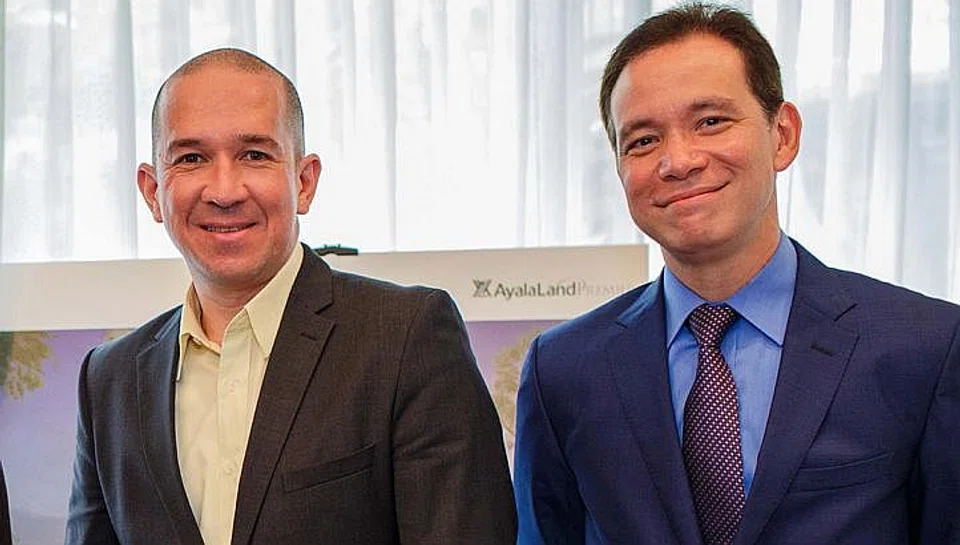
ANOTHER real estate developer might have viewed it as an obstacle, but Ayala Land says that it has worked the Philippines' political instability, frequent leadership changes, and government's lack of an urban planning or development agency to its advantage.
Not having to adhere to a regulatory body's land use blueprint has enabled it to acquire large plots of land and develop them according to its own plan and design. And as long as the developer is paying its property taxes, building financial districts to attract multinational corporations and foreign investment, and providing infrastructure and services that benefit the city, the government has no complaints.
President of Ayala Land, international sales, Thomas Mirasol, on a recent visit to Singapore, said: "The fact that there is nobody in the Philippines who regulates urban planning has been great for Ayala Land, because we are probably the only company there that has the scale financially to take on large plots of land."
Ayala Land is the largest real estate developer in the Philippines, with a market capitalisation of about US$10 billion, much larger than the next five biggest Philippine developers combined.
"We have resources far beyond any developer in the Philippines. By developing big tracts of land, we become the government; we control and manage everything. We are the mayors and the governors of the communities that we develop and we do not relinquish this responsibility to the government. "But because we develop all the roads, water and sewer systems, and provide infrastructure for power, we manage security, we do garbage collection, we paint every pedestrian crossing and change every light bulb in the streets - the effect of that is how property prices have moved."
Compared to its competitors which have also built business districts in Metro Manila, property values and yields at Ayala Land's projects have risen faster than its competition, especially in recent years.
Most of the Philippines' business districts have been developed by a handful of private developers, with the government playing a purely regulatory role.
Land parcels are either acquired through government tenders or purchased from private landlords - what Jose Juan Jugo, vice-president of Ayala Land, terms "the old rich".
"We don't have to rely on the government very much at all," he said.
Mr Mirasol added: "There was a time, maybe 25 years ago, when it really mattered who the president in the Philippines was. This was the post-president Ferdinand Marcos era."
Marcos was president from 1965 to 1986. His administration was marred by accusations that he and his wife Imelda moved billions of dollars of embezzled public funds overseas.
Imelda Marcos is best remembered for the thousands of pairs of shoes she left behind when the couple vacated their residence. Since Marcos's term ended, the country has changed presidents five times.
Mr Mirasol said: "The political impact on business each time there is a presidential election has been significantly less and less - to the point where it doesn't matter anymore who the president is.
"Because business would continue to proceed and nobody on the political side would want to do anything that would upset what's happening in business, so they tend to be quite supportive of us."